

Struggling to Teach Fire Safety? Try This
Acknowledge the difficulty of teaching fire safety without causing fear or anxiety. Emphasize the need for gentle and age-appropriate resources
The Heart-Stopping Moment Every Parent Fears: Is Your Preschooler Ready for a Fire?
It’s a scene that plays in every parent’s mind: the smoke alarm blares, and you rush to gather your children. But what if you’re not there? What if they are the ones who need to react first? As a team dedicated to early childhood learning and development at KubbyLab, I’ve spent over 40 hours researching the best ways to prepare young children for a potentially terrifying event – a house fire. I’ve analyzed countless parent reviews, reading forums, and consulting resources from organizations like the National Fire Protection Association (NFPA) https://www.nfpa.org/ to understand the anxieties parents share and the surprisingly simple steps we can take to empower our little ones.
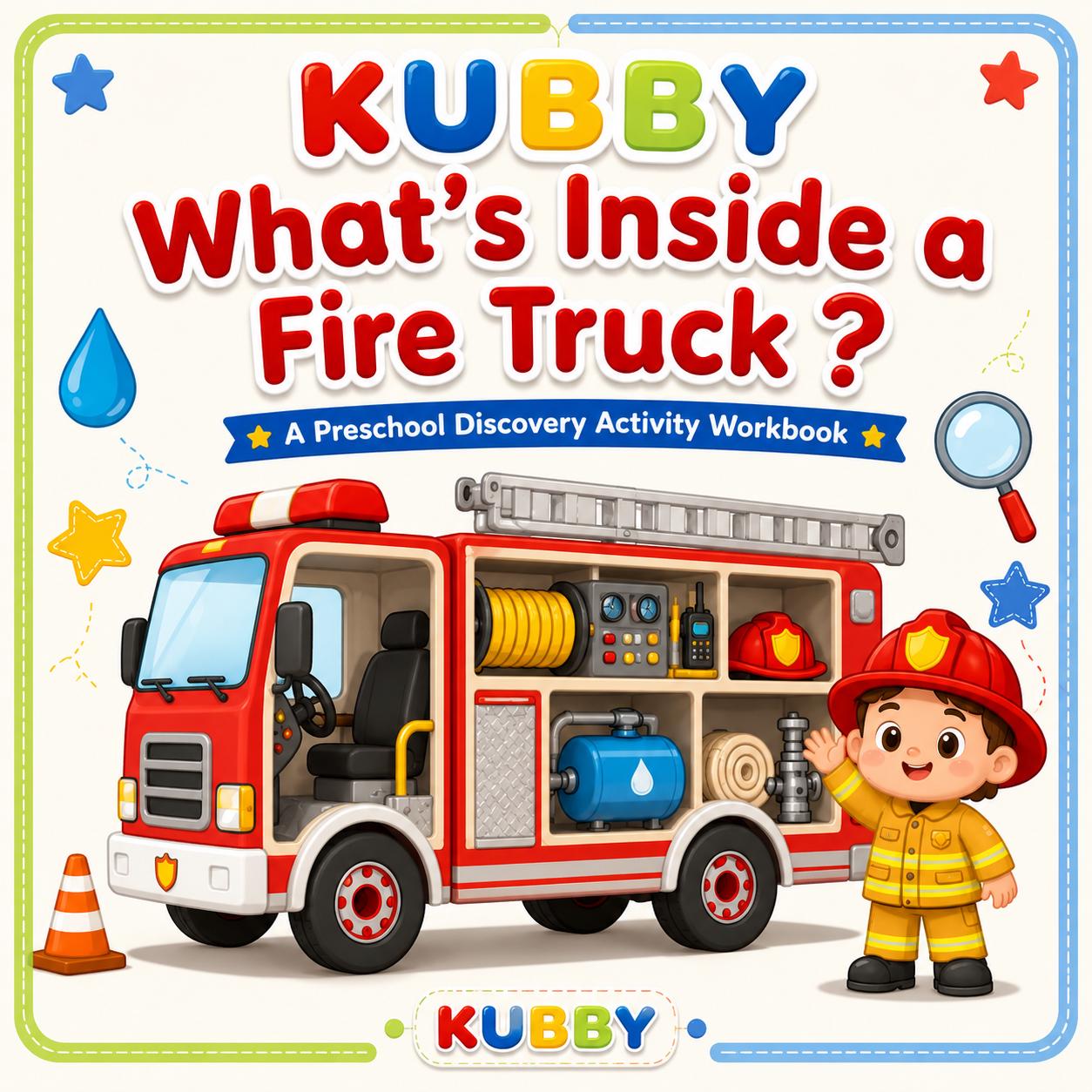
Fire Truck Discovery Workbook for Preschoolers
A 50-page activity workbook designed for preschoolers (ages 3-5) to explore fire trucks, community helpers, and basic safety concepts in a fun and engaging way. This workbook covers topics like firefighters, rescue tools, and emergency readiness with calm, chi
The truth is, preschoolers don’t think like adults. They don’t grasp the concept of danger the same way, which is why proactive fire safety education is so critical. Many assume kids are too young to understand, but with the right approach, even a 3-year-old can learn essential skills.
Key Takeaways:
- The biggest risk isn’t if a fire will happen, but if your child knows what to do.
- Practice, practice, practice. Repetition is key for preschoolers.
- Keep it age-appropriate. Avoid scaring your child, focus on empowerment.
Why Traditional Fire Drills Often Fall Flat
I frequently see parents frustrated by fire drills that just…don’t stick. A loud alarm and a shouted “get out!” often causes panic, and a child overwhelmed with fear is less likely to remember what you’ve taught them. Reviews reveal that simply telling a preschooler what to do in a fire isn’t enough. They need to practice it in a calm, controlled way.
The issue isn’t the drill itself, but how it’s conducted. Think of it less like a test, and more like a game. Make it fun, turn it into an adventure, and consistently reinforce the key steps. This is where a thematic approach, like incorporating a firetruck theme, can be incredibly beneficial. I’ve seen countless parents share their success using role-playing with toy fire trucks to demonstrate escape routes Preschool Fire Truck Activities: A Parent’s Complete Guide.
3 Simple Steps to Fire Safety Success with Your Preschooler
Here’s a breakdown of the three core actions your preschooler needs to know. I’ve broken it down into manageable steps, based on what consistently emerges as effective from parent feedback.
Step 1: Recognize the Sound
First, your child needs to understand what the smoke alarm means. Don’t just test it randomly! Explain, in simple terms, that the alarm means “danger – we need to leave the house right now.”
Consider showing them pictures of a smoke detector and explaining its purpose. Talk about how it “smells for smoke” and warns us if something is burning. According to the American Red Cross, you should test your smoke alarms monthly https://www.redcross.org/home-fire-safety. Make this a family activity!
Your child should be able to identify the sound of a smoke alarm and associate it with leaving the house.
Step 2: Low and Go!
This is crucial. Preschoolers tend to panic and stand frozen. “Low and Go” teaches them to get down low to avoid smoke (which rises) and quickly exit the building.
-
Practice: Get on your hands and knees and crawl with your child. Make it a game! “Let’s be firefighters crawling through the smoke!”
-
Reinforce: Repeatedly say, “If you hear the alarm, get low and go!”
-
Explain: Smoke is hot and rises, so staying low helps you breathe easier.
Your child should know to get low to the ground and crawl to safety.
Step 3: Meet at Your Safe Spot
Establish a designated meeting place outside your home. This could be a tree, a neighbor’s mailbox, or anything easily identifiable.
-
Practice: Include the safe spot in your fire drill. “Okay, the alarm is going off, we’re getting low and going… to the big oak tree!”
-
Never go back inside for anything. This is a hard lesson, but a vitally important one. Explain it simply: “Once we’re out, we stay out. Grown-ups will help.”
Your child should know where to meet the family after evacuating the building.
What About Fire Safety Workbooks & Activities?
While drills are essential, supplementing them with engaging activities can significantly improve retention. I’ve found that resources like coloring pages and simple workbooks can reinforce fire safety concepts in a fun, non-threatening way. For example, the Fire Truck Activity Workbook: Ignite Your Child’s Learning can introduce crucial concepts through playful illustrations and activities. Similarly, integrating fire safety into broader themes, like Community Helpers Workbook: Early Childhood Learning, helps contextualize the importance of firefighters and emergency services. However, remember that these are supplemental tools; practice is paramount.
Pro Tip: Don’t rely solely on visual aids. Incorporate all senses. Let your child hear the alarm. Let them feel how low to the ground they need to get.
Cost Breakdown of Basic Fire Safety Supplies
| Item | Price Range | Notes |
|---|---|---|
| Smoke Detectors | $15 - $50 each | Ensure you have one on every level of your home and outside sleeping areas. |
| Fire Extinguisher (ABC type) | $30 - $80 | Learn how to use it before an emergency. |
| Replacement Batteries | $10 - $20 per pack | Check batteries monthly. |
| First Aid Kit | $20 - $50 | Essential for treating minor injuries. |
How to Choose the Right Fire Safety Resources
When selecting workbooks, books, or other resources, consider the following:
| Criteria | Description | Importance |
|---|---|---|
| Age Appropriateness | Content should be simple, clear, and avoid scary imagery. | High |
| Engaging Format | Look for colorful illustrations, interactive activities, and a playful tone. | Medium |
| Accuracy | Ensure the information aligns with guidelines from reputable sources like the NFPA and American Red Cross. | High |
| Focus on Actionable Steps | Resources should emphasize what to do, not just that fires are dangerous. | High |
Is Your Child Ready? Signs to Look For
It’s normal to feel anxious about whether your preschooler is truly prepared. Here are signs they’re starting to grasp the concepts:
-
They can identify the sound of the smoke alarm.
-
They can demonstrate the “low and go” crawling motion.
-
They can tell you the location of your designated meeting spot.
-
They can verbalize (even if simply) that fire is dangerous and they need to leave the house when the alarm sounds.
If your child is still struggling, don’t get discouraged. Continue practicing in a calm, positive way. Consistent reinforcement is key. You can also find extra resources and ideas on Fire Safety for Preschoolers: Simple Steps.
Frequently Asked Questions About Fire Safety for Preschoolers
Q: My child is terrified of loud noises. How can I make fire drills less scary?
A: Start small. Begin by simply talking about the smoke alarm and what it means. Then, gently introduce a practice drill with the volume turned low. Gradually increase the volume as your child becomes more comfortable. Focus on making it a “game” and emphasize the importance of being brave and following directions.
Q: How often should we practice fire drills?
A: At least twice a year is recommended, but monthly is even better. The key is consistency. Regular practice helps the steps become automatic. Don’t forget seasonal drills – consider practicing at night to simulate a nighttime fire.
Q: Is it okay to talk about fire safety with my child even if they haven’t asked about it?
A: Absolutely! Proactive education is the best approach. It’s better to initiate the conversation than to wait for a scary event to trigger it.
For a deeper dive into creating a comprehensive fire safety plan for your family, including age-appropriate activities and resources, Read the full guide. It’s an investment in your peace of mind and, most importantly, your child’s safety.
You May Also Like
Take the Next Step!
Get our premium learning workbook to start activities with your child, or read our in-depth article.
Recommended Resources & Workbooks
Pair this guide with our hands-on, ready-to-print learning resources.
 Discovery Activity Workbook
Fire Truck Activity Workbook
50 pages of fire truck discovery + preschool activities: matching, sorting, tracing, sequencing, and safe-choice thinking.
Related Guides & Articles
Explore more of our detailed guides and activities.
Preschool Fire Truck Activities: A Parent's Complete Guide
Discover fun & educational fire truck activities for preschoolers! From crafts to learning, engage your 3-5 year old screen-free with our ultimate ...
Budget Fire Truck Theme Party For Kids At Home
Fire trucks are a classic preschool obsession, and channeling that excitement into learning is one of the best parts of being a parent or educator....
Community Helpers Workbook: Early Childhood Learning
I've spent months analyzing hundreds of parent reviews, educational blogs, and early childhood resources. I've seen countless workbooks
Fire Safety for Preschoolers: Simple Steps
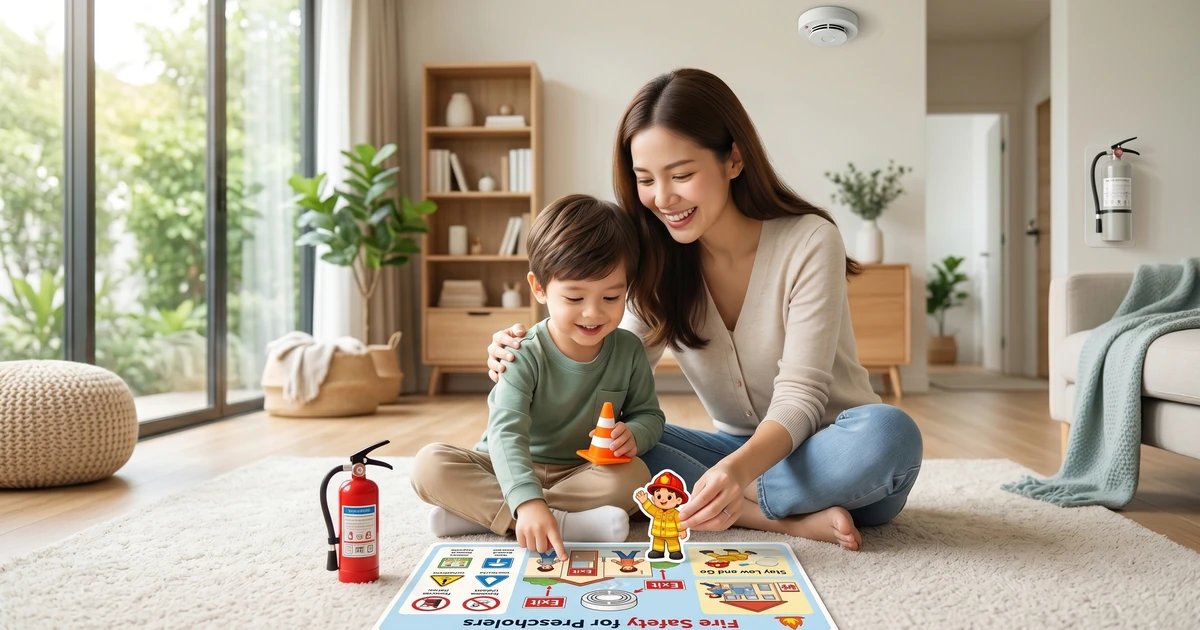
Teaching your preschooler about fire safety doesn't have to be scary. It can be an exciting adventure that empowers them with knowledge. At KubbyLa...
Fire Truck Activity Workbook: Ignite Your Child's Learning
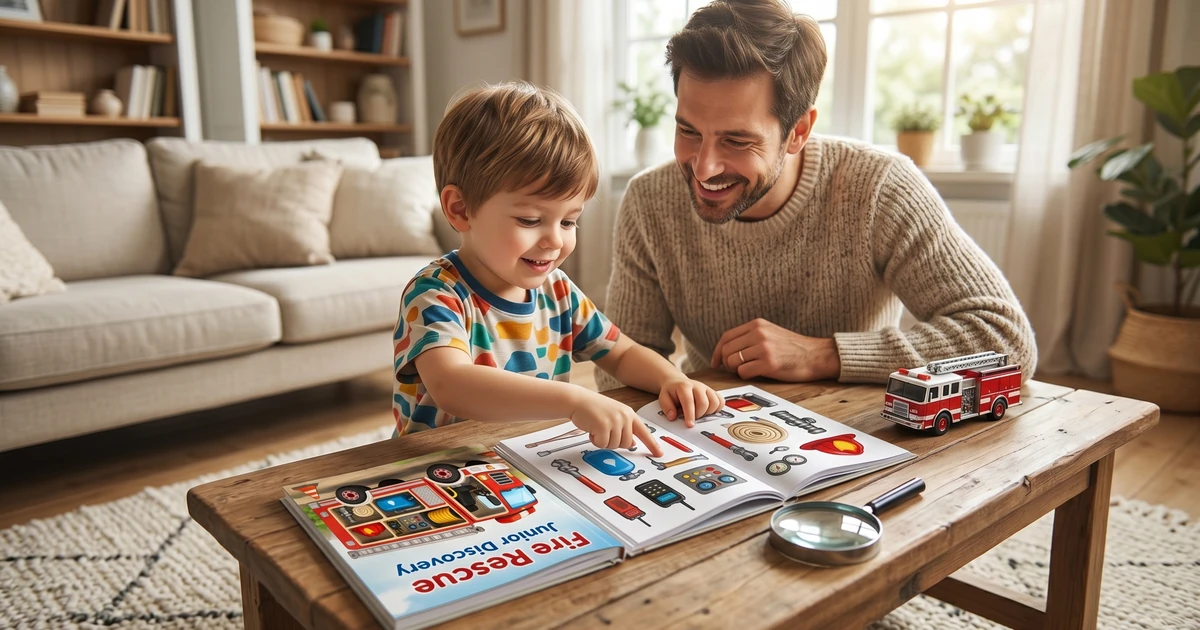
If you're navigating the world of preschool activities, you've likely discovered that a fire truck activity workbook is more than just a coloring book
How My Kid Became Obsessed with Firetrucks
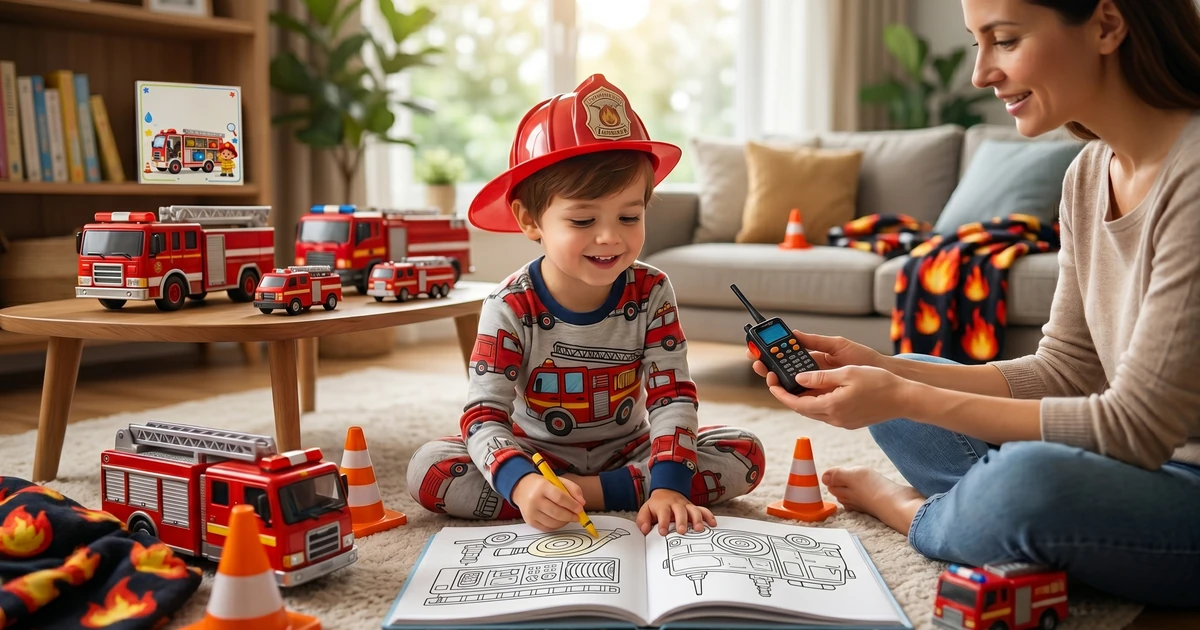
As a parent, I know how difficult it can be to pull a preschooler away from a screen and into meaningful, hands-on play. My background is in early ...
Why My Preschooler Hates Coloring Firetrucks and How I Fixed
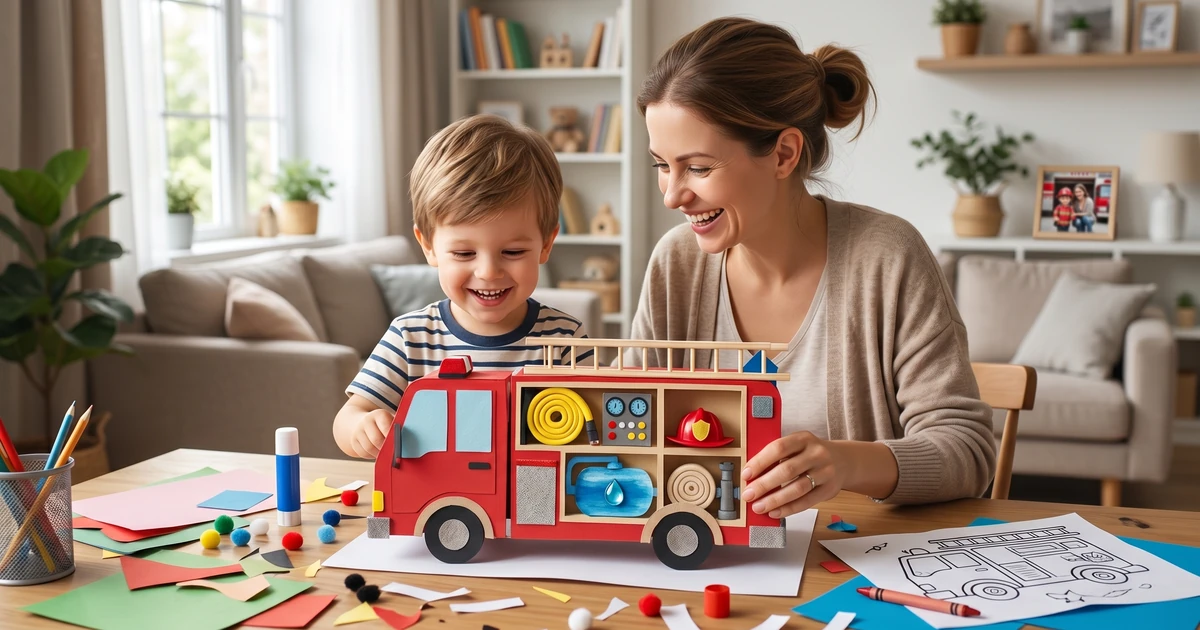
As a preschool educator and part of the Kubby Team, I spend a lot of time researching how to translate children's passions into meaningful learning...
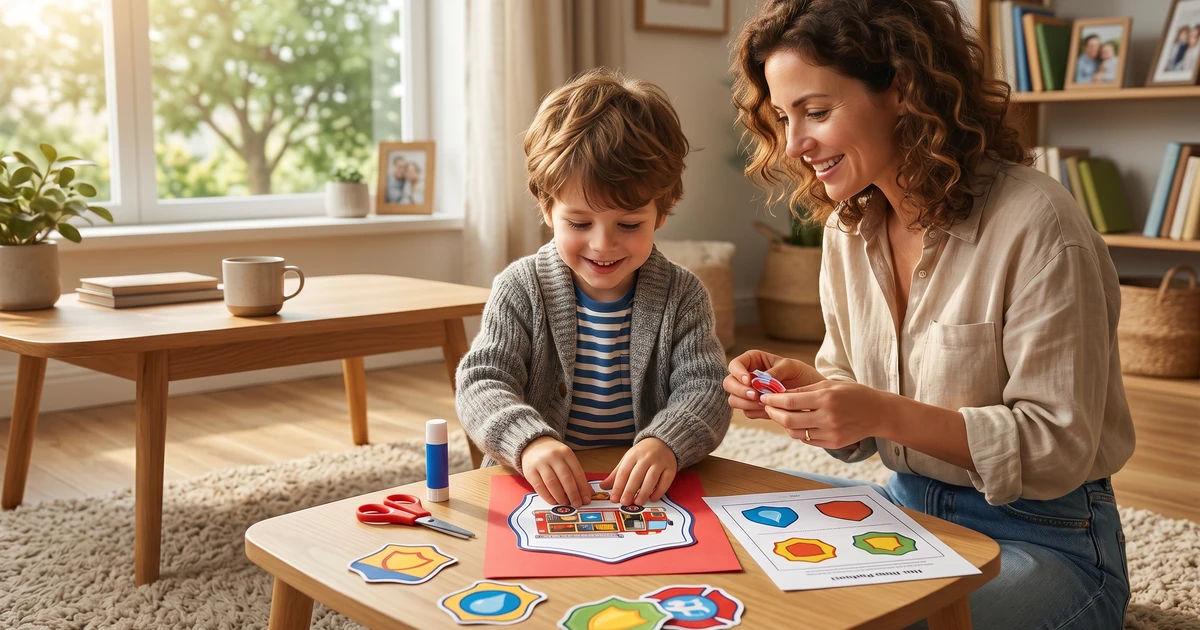
Free Printable Firetruck Badge Template for Kids
Fire trucks captivate young children with their bold colors, blaring sirens, and heroic purpose. Integrating that fascination into preschool fire t...
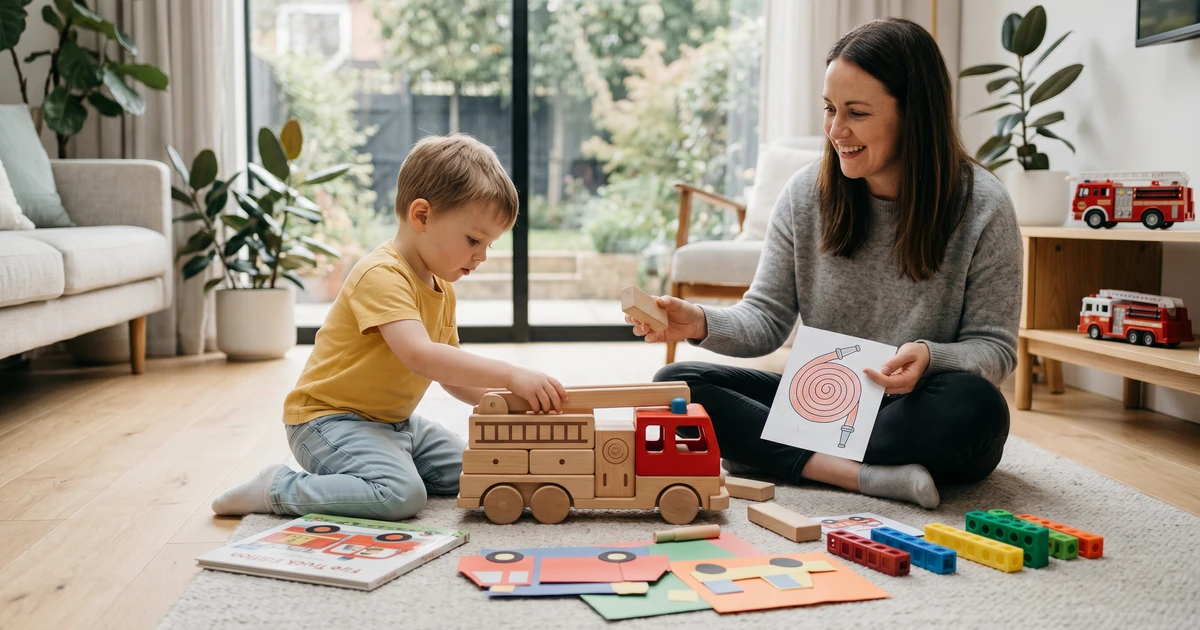
Screen Free Activities for 3-Year-Olds: Fire Truck Edition
In my research as part of the Kubby Team, I spent over 40 hours analyzing parent forums, child development studies, and educator reports to underst...