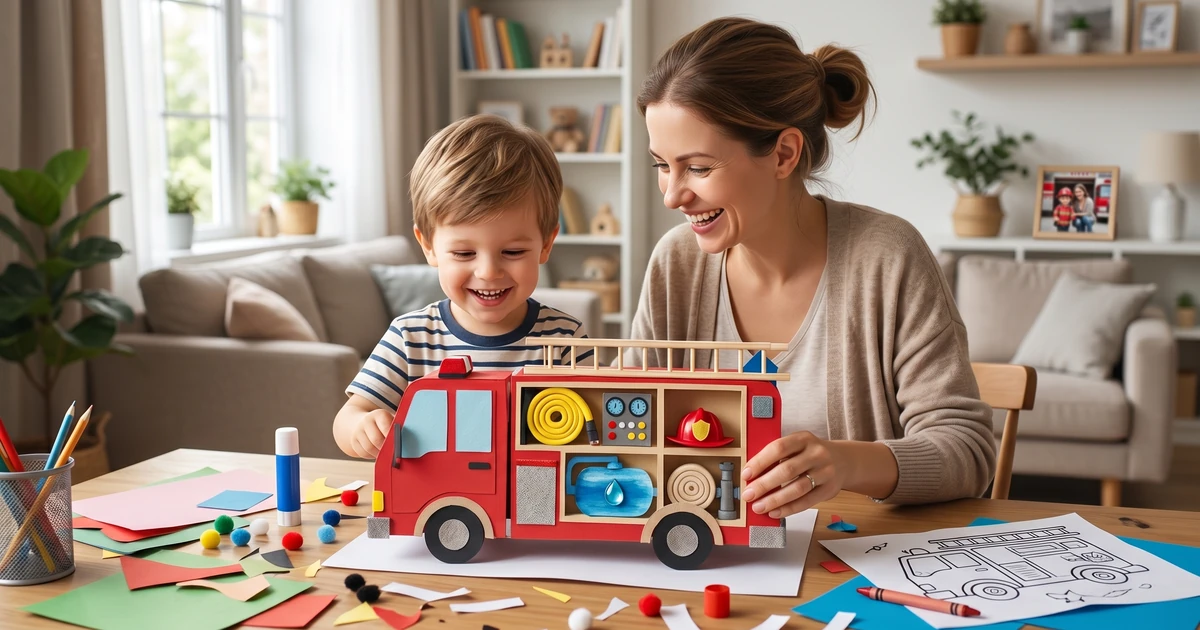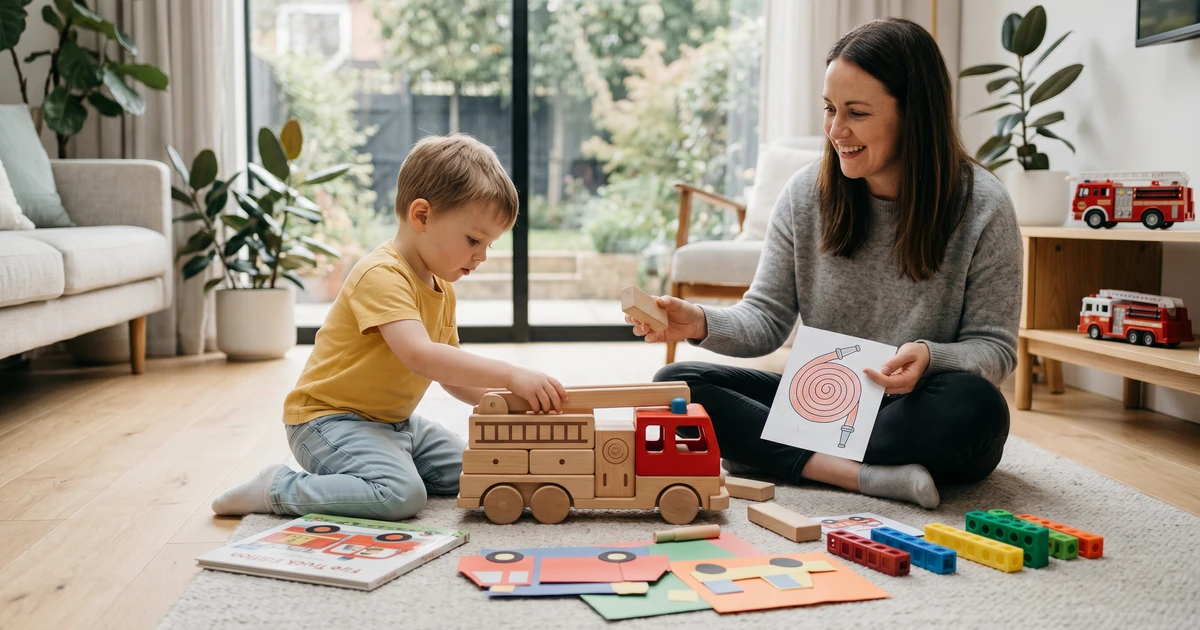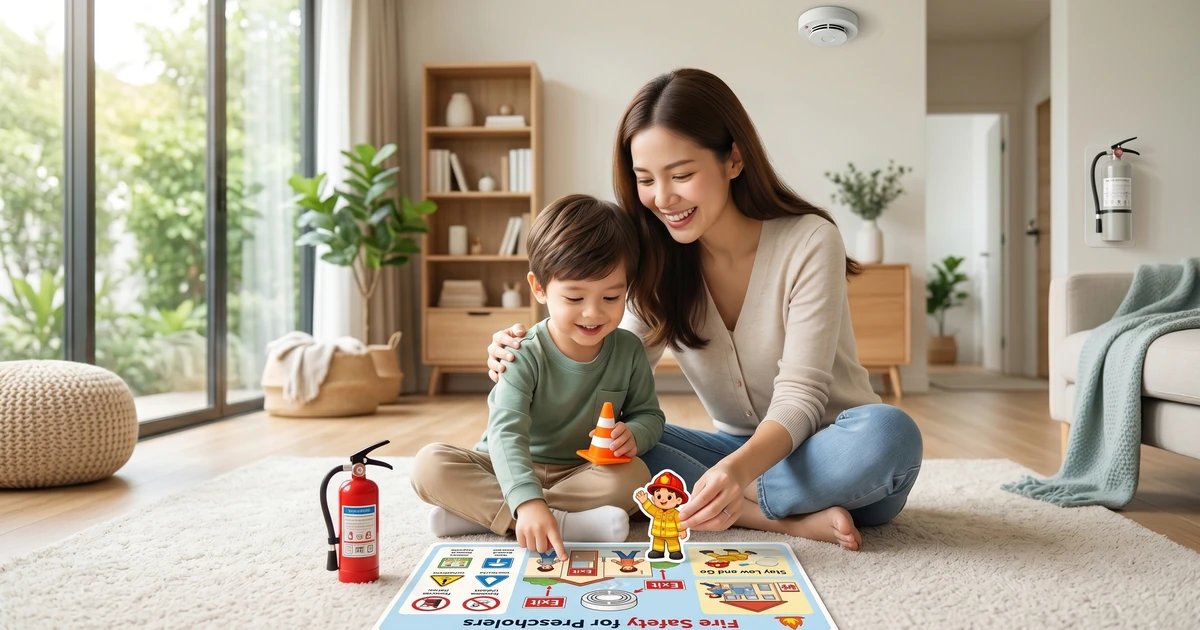

Teaching your preschooler about fire safety doesn’t have to be scary. It can be an exciting adventure that empowers them with knowledge. At KubbyLab, our research is dedicated to creating engaging learning materials. After analyzing hundreds of hours of parent feedback and educator discussions, I’ve found that the key is to make lessons memorable, positive, and, above all, simple. This page is your dedicated guide to helping your little one learn the basics of staying safe, perfectly complementing our broader collection of fire truck and community helper activities.
GUND Official PAW Patrol Marshall in Signature Firefighter Uniform Plush Toy, Stuffed Animal for Ages 1 and Up, 6" (Styles May Vary) : Toys & Games
GUND Official PAW Patrol Marshall in Signature Firefighter Uniform Plush Toy, Stuffed Animal for Ages 1 and Up, 6" (Styles May Vary) : Toys & Games
Key Takeaways:
- Start teaching fire safety basics as soon as your child is old enough to understand “stop, drop, and roll,” typically between ages 3 and 4.
- Focus on making lessons feel like a game, such as practicing “escape drills” or learning through stories, to prevent scaring your child.
- The most crucial skills for a preschooler to master are knowing how to get out of the house, where to meet, and not to hide from firefighters.
- Use consistent, simple language and visuals, like those found in our Fire Truck Activity Workbook: Ignite Your Child’s Learning, to reinforce these vital messages.
In my work, I focus on synthesizing what real families and experts say works best. I don’t test physical products myself. Instead, I spend my time combing through parent forums, expert advice from child psychologists and firefighters, and reviews of educational resources. The goal is to give you the clearest, most actionable path forward without the fluff. You can also explore other exciting, screen-free ways to learn in our Screen Free Activities for 3-Year-Olds: Fire Truck Edition.
What Is Age-Appropriate Fire Safety for a Preschooler?
Age-appropriate fire safety is a set of simplified, non-frightening lessons and actions tailored to a 3 to 5-year-old’s developmental level. It focuses on concrete action steps rather than abstract dangers. According to the National Fire Protection Association (NFPA), children are actually curious about fire. The key is to direct that curiosity toward safe behaviors and respect, not fear. For this age group, “safety” is much more about “here’s what we do” than “here’s why it’s dangerous.” I see many parents make the mistake of describing fire in graphic detail, which can cause nightmares and anxiety without improving recall of the safety rules. The lesson becomes scary, not helpful. The best approach connects safety to their world of heroes and helpers, which is exactly the kind of positive framing we use in learning materials like our Community Helpers Workbook: Early Childhood Learning.
Think of it like this: For a preschooler, you wouldn’t explain the chemical process of combustion. You’d say, “Fire can hurt us, so we are very careful and listen to our safe-fire rules. Firefighters are our friends who help stop fires.”
How to Teach Fire Safety Without Scaring Your Child
My research consistently shows that a low-pressure, game-like approach is the most effective method for preschoolers. The goal is to build confidence, not fear. If a child associates fire safety drills with a fun, family activity, they are far more likely to remember the steps during a real, high-stress situation. Here is a step-by-step method I recommend based on common successful practices shared by parents and educators.
Step 1: Introduce the “Helpers”
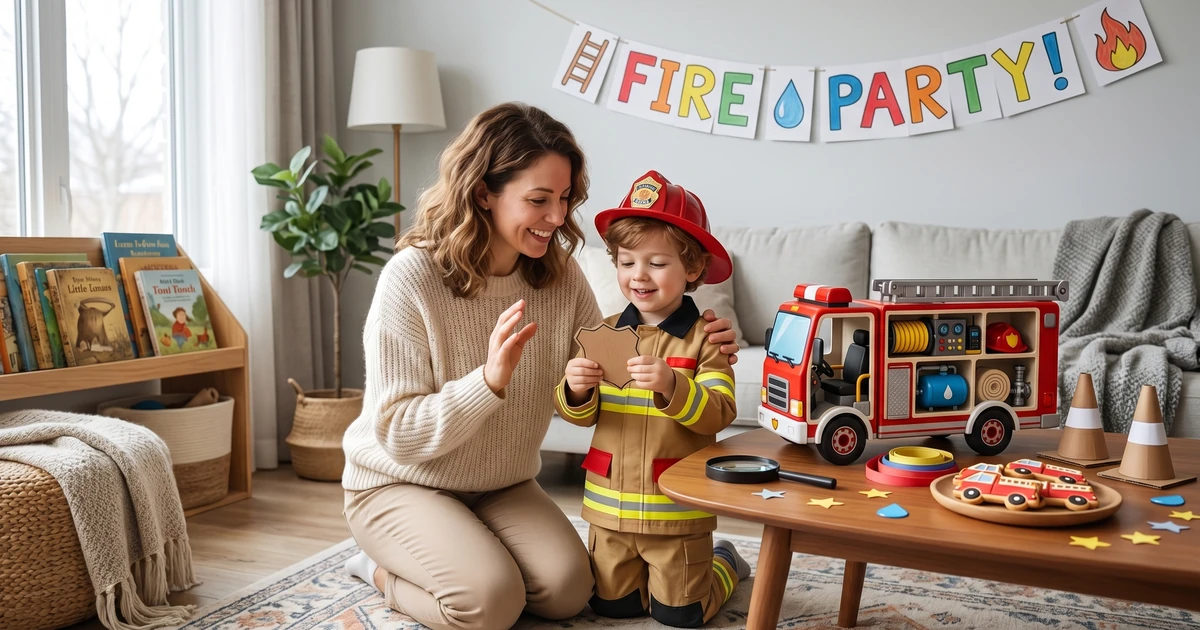
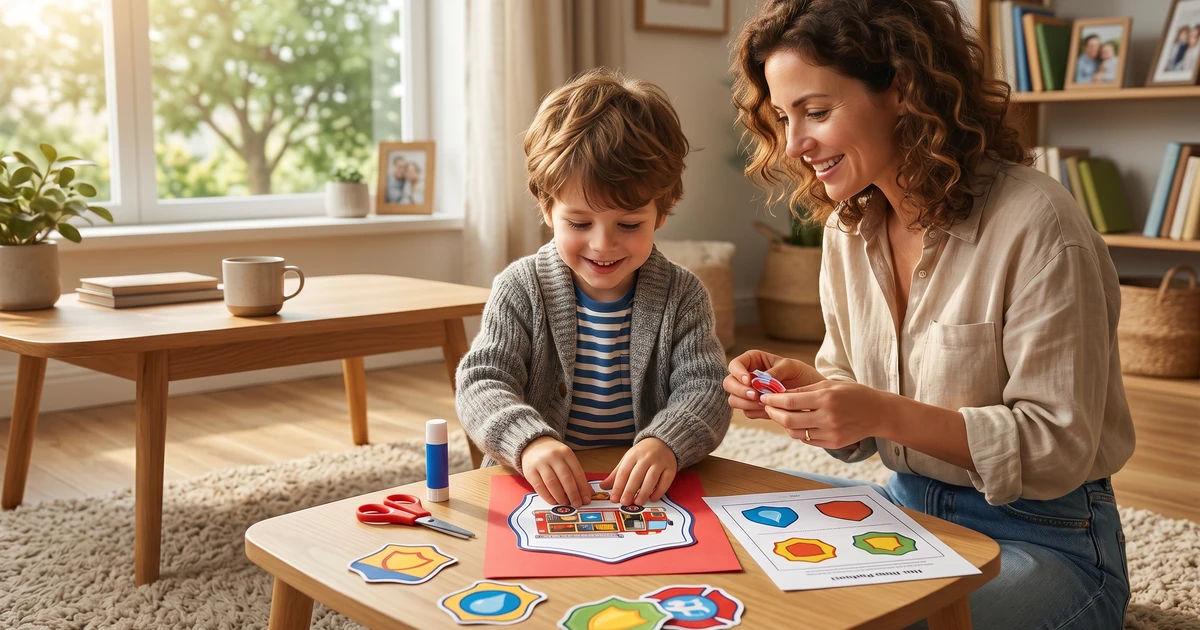
Start by connecting safety to the positive image of a firefighter. Use books, videos, or your child’s own toys to talk about how firefighters are community heroes who help people. This builds trust. If they see a firefighter in full gear during a drill, they are less likely to hide in fear. For a great hands-on activity that builds this connection, check out our Free Printable Firetruck Badge Template for Kids.
Step 2: Practice “Stop, Drop, and Roll”
Turn this into a silly game. Practice on a soft rug. Yell “Your pants are on fire!” and have them dramatically stop, drop, and roll. Laughter is a powerful memory aid. Be clear: this is only for if their clothes catch fire.
Step 3: Identify Smoke Alarms
Walk through your home and let your child hear the sound of the smoke alarm. Squeeze a test button (never during a real drill) and say, “That’s the beep-beep sound! When we hear that, it means go go go to our safe spot!” Praise them for recognizing the sound.
Step 4: Map Your Escape Routes
Walk through two ways out of every room, especially their bedroom. Make it an adventure: “Let’s find our secret escape paths!” Crawl low under “smoke” (you can use a sheet or just pretend) and feel closed doors with the back of your hand for heat (demonstrate).
Step 5: Choose a Family Meeting Place
Pick a permanent, specific spot outside that is easy for a child to remember, like the big tree in the front yard or the neighbor’s mailbox. This is non-negotiable. Practice ending every drill by running to that spot.
Step 6: Repeat Regularly
Practice your escape plan twice a year at a minimum. Keep it fresh and positive.
Pro Tip: Never use the phrase “fire drill” during practice. Call it your “Safety Adventure Game.” This frames it as a proactive, empowering mission rather than a response to a scary event.
Consistency and a positive tone are the cornerstones of effective, fear-free teaching.
Essential Fire Safety Rules Every Preschooler Should Know
Preschoolers thrive on simple, repeatable rules. Here are the non-negotiable ones to teach, presented in order of priority. I always advise parents to master these three before introducing any other concepts.
- Get Out and Stay Out: This is rule number one. Nothing inside the house is worth going back for. Not a toy, not a pet. Their only job is to get outside.
- Go to the Meeting Place: Once outside, they must go directly to your designated family meeting spot and wait. This keeps them safe and makes it easy for you and firefighters to find them.
- Never Hide: Explain that firefighters in their big suits and masks might look and sound scary, but they are friends who are there to help. They are looking for you, so you should never hide under a bed or in a closet. Yell for help instead.
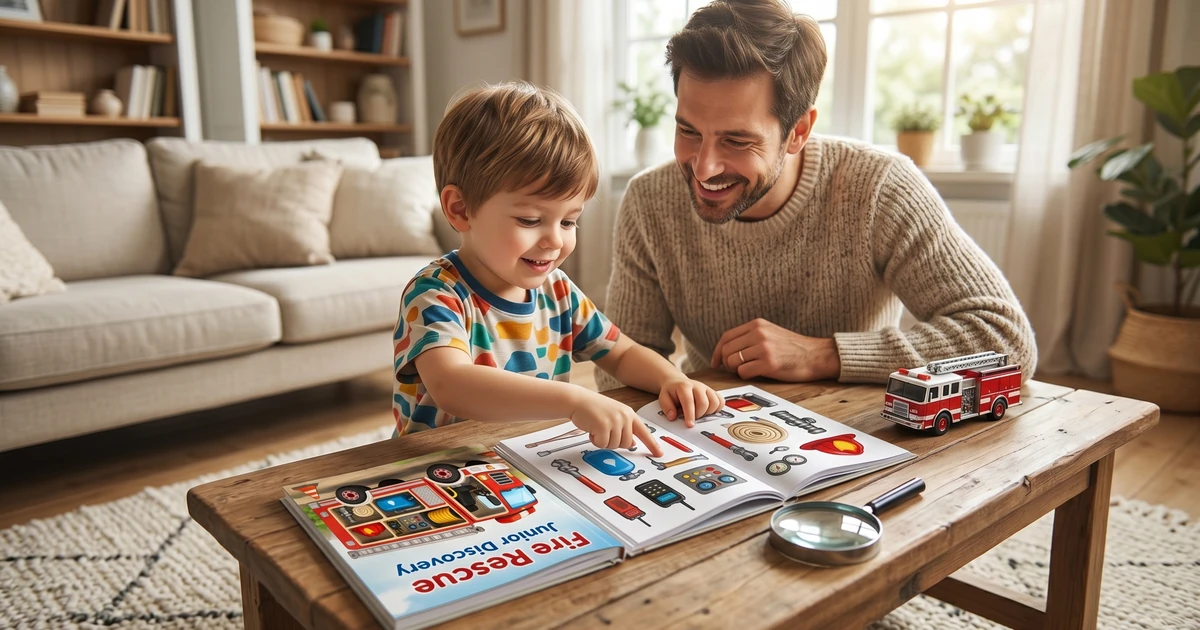
These simple rules form a complete, life-saving action plan for a young child. To help visualize and reinforce these concepts, integrating them into a fun learning session with our Fire Truck Activity Workbook: Ignite Your Child’s Learning can be incredibly effective. For more on how to foster this positive interest, read How My Kid Became Obsessed with Firetrucks.
Creating and Practicing Your Home Fire Escape Plan
An escape plan is not a complex diagram. For a preschooler, it’s a practiced physical routine. The Preschool Fire Truck Activities: A Parent’s Complete Guide offers a fantastic framework for turning learning into engaging play, which can include practicing your plan. Here is a simple breakdown of what your plan should include, presented in a way that makes sense for your family.
| Plan Component | What to Do | Preschooler-Friendly Language |
|---|---|---|
| Smoke Alarms | Install on every level, inside/outside sleeping areas. Test monthly. | ”That’s our loud helper! It tells us ‘Time for our Safety Game!’” |
| Two Ways Out | Identify primary and secondary exits from each room. | ”Let’s find two secret tunnels out of your room! The door is one. The window is our backup.” |
| Meeting Place | Choose a specific, permanent spot outside (e.g., mailbox, tree). | ”Our Safety Spot is the big red flowerpot. We all meet there no matter what!” |
| Practice Schedule | Drill twice a year, at different times (day/night). | ”It’s time for our Safety Adventure! Can you beat your best time?” |
A study by the Safe Kids Worldwide organization emphasizes that only 47% of parents report having a fire escape plan that they have practiced with their children. Don’t be part of that statistic. Making and practicing a plan doubles your family’s chances of getting out safely.
“Children under five are at greatest risk from home fire. They are often unable to escape on their own, and they may become frightened and try to hide.” - U.S. Fire Administration
A practiced escape plan transforms panic into muscle memory for your child.
Best Fire Safety Products & Resources for Preschool Families
You don’t need to buy a lot of gear, but a few key, reliable products can make your home safer and your teaching easier. Based on thousands of product reviews and safety recommendations from authorities like Underwriters Laboratories (UL), here’s what parents consistently find most useful.
| Product/Resource | Purpose & Key Benefit | Estimated Cost | Notes for Preschool Families |
|---|---|---|---|
| UL-Listed Smoke & CO Alarm Combo | Early warning for smoke and invisible carbon monoxide. | $35 - $60 | Look for models with a voice alert (“Fire! Fire!”) instead of just a beep, which can be clearer for kids. |
| Escape Ladder (for 2nd+ floor rooms) | Provides a secondary escape route from upper floors. | $25 - $100 | Practice deploying it in daylight. Explain it’s a “special slide” for emergencies only. |
| Fire Extinguisher (kitchen/garage) | For adults to tackle small, contained fires. | $25 - $50 | Teach children: “This is a tool for grown-ups. Your job is to get out.” |
| Educational Picture Books | Normalizes safety discussions through story. | $5 - $15 | Titles like No Dragons for Tea or Stop Drop and Roll are parent favorites. |
| KubbyLab Fire Truck Workbook | Reinforces concepts through engaging, screen-free activities. | Digital Download | Our Fire Truck Activity Workbook ties heroism to safety rules in a fun, memorable way. Avoids scary imagery. |
| Firefighter Visit (Local Station) | Makes firefighters approachable and real. | Free | Call your non-emergency station line. Many offer tours for small groups. |
When analyzing feedback, parents often report that generic safety videos can be too intense. The resources that work best are those that are interactive, story-based, and allow the child to be an active participant, not a passive, frightened viewer. For a creative, cost-effective way to celebrate this learning, see our Budget Fire Truck Theme Party For Kids At Home.
The best resources are those you will actually use consistently and that engage your child positively.
What to Do If Your Child Is Scared of Fire Safety Topics
It’s a common and valid reaction. Some children are naturally more sensitive. If your child has nightmares, avoids the topic, or shows anxiety, it’s a sign to pivot your approach. In my review of child psychologist advice, the consensus is to immediately stop any high-pressure drills and return to building a foundation of safety and security.
- Pause the Drills. Stop practicing escape plans for a few weeks.
- Double Down on the Helpers. Read books about friendly firefighters. Color pictures of fire trucks. Watch cheerful videos of station tours. The goal is to rebuild the association from “fire = danger” to “firefighters = helpful heroes.”
- Use Indirect Play. Use toy fire trucks to “rescue” stuffed animals. This lets them process the concept from a position of control and power.
- Reintroduce Slowly. Once they are comfortable, reintroduce one small concept at a time, framed as “how the firefighters want us to be ready to help them.”
If a child has developed a specific fear, like the sound of the alarm, you have to desensitize them gently. Let them press the test button with you for one quick beep and then give immediate praise and a hug. Gradually increase their exposure with full positivity. For a child who resists typical activities, the strategies in Why My Preschooler Hates Coloring Firetrucks and How I Fixed It might offer helpful parallel solutions.
When fear is present, the immediate goal shifts from education to emotional security.
Frequently Asked Questions (FAQ)
Q: My 4-year-old keeps “playing” with fire by flicking lighters he finds. How do I stop this dangerously curious behavior? This is a serious red flag that requires an immediate, two-part response. First, lock up all matches, lighters, and candles completely out of sight and reach. Second, have a calm, very serious (not yelling) conversation: “Fire is a tool for grown-ups only, like a sharp knife. It is not a toy. If you see fire or a lighter, your job is to say ‘No!’ and tell an adult right away.” Consider scheduling a visit to your local fire station; firefighters are experts at delivering this message in a way that sticks with kids.
Q: Should I teach my preschooler how to call 911? Yes, but with specific caveats. Teach them that 911 is for big emergencies only when a grown-up is hurt or can’t wake up. Practice on a disconnected or toy phone, having them press 9-1-1 and then practice saying clear, simple information: “My name is [First Name]. There’s a fire at [Your Street Address].” Role-play different scenarios so they understand what is and is not a 911 emergency.
Q: We live in a high-rise apartment. How does our escape plan change for a preschooler? The core rules remain the same, but you must add a critical rule: Never use the elevator. Practice taking the stairs. Point out the stairwell door signs every time you walk by. Explain that elevators can trap people during a fire. Your meeting place should be a specific spot outside and away from the building, like a certain bench or tree across the street.
Q: My child is neurodivergent (e.g., Autism, ADHD). How can I adapt fire safety teaching? Consistency and sensory preparation are key. Use social stories with pictures to explain each step repeatedly. Introduce the sound of the smoke alarm gradually at a very low volume, pairing it with a favorite song or reward. Practice drills more frequently but for shorter durations. For children who may hide or escape, consider additional safety measures like door alarms and clearly communicating their needs to your local fire department during a non-emergency visit.
Q: Is it worth buying a “child-sized” fire extinguisher or other safety toys? Most safety experts advise against toy extinguishers for preschoolers. The risk is confusion. A child might think they are supposed to fight a fire or, worse, mistake a real extinguisher for a toy. The unambiguous message must be: “Your only job is to get out. Fighting fire is for trained grown-ups and firefighters.”
Q: What’s the one thing most parents forget in their fire safety planning? Closing bedroom doors at night. According to the Fire Safety Research Institute (FSRI), a closed door can dramatically slow the spread of heat, smoke, and fire, creating a vital barrier and giving your family extra minutes to escape. Make “Door closed before you snore” a part of your child’s bedtime routine.