
As the Kubby Team, I’ve spent months analyzing hundreds of parent reviews, educational blogs, and early childhood resources. I’ve seen countless workbooks on “community helpers,” a classic preschool theme that includes firefighters, police officers, doctors, and more. Finding the right one can feel overwhelming. My goal here is to synthesize that real-world feedback to help you cut through the marketing and choose a workbook that will genuinely engage your child and support their learning, especially if they’re fascinated by fire trucks like the hero in our How My Kid Became Obsessed with Firetrucks story. This deep dive focuses specifically on community helpers workbooks as a subtopic of our broader pillar on engaging, educational resources.
GUND Official PAW Patrol Marshall in Signature Firefighter Uniform Plush Toy, Stuffed Animal for Ages 1 and Up, 6" (Styles May Vary) : Toys & Games
GUND Official PAW Patrol Marshall in Signature Firefighter Uniform Plush Toy, Stuffed Animal for Ages 1 and Up, 6" (Styles May Vary) : Toys & Games
Key Takeaways:
- A high-quality workbook should build real-world knowledge, not just offer coloring pages.
- Look for a mix of foundational skill practice (like tracing letters) and imaginative play (like role-playing as a firefighter).
- The best workbooks integrate seamlessly with hands-on activities you can do at home.
- Avoid workbooks that are purely generic; they should offer a fresh take on the familiar theme.
What Exactly Is a Community Helpers Workbook?
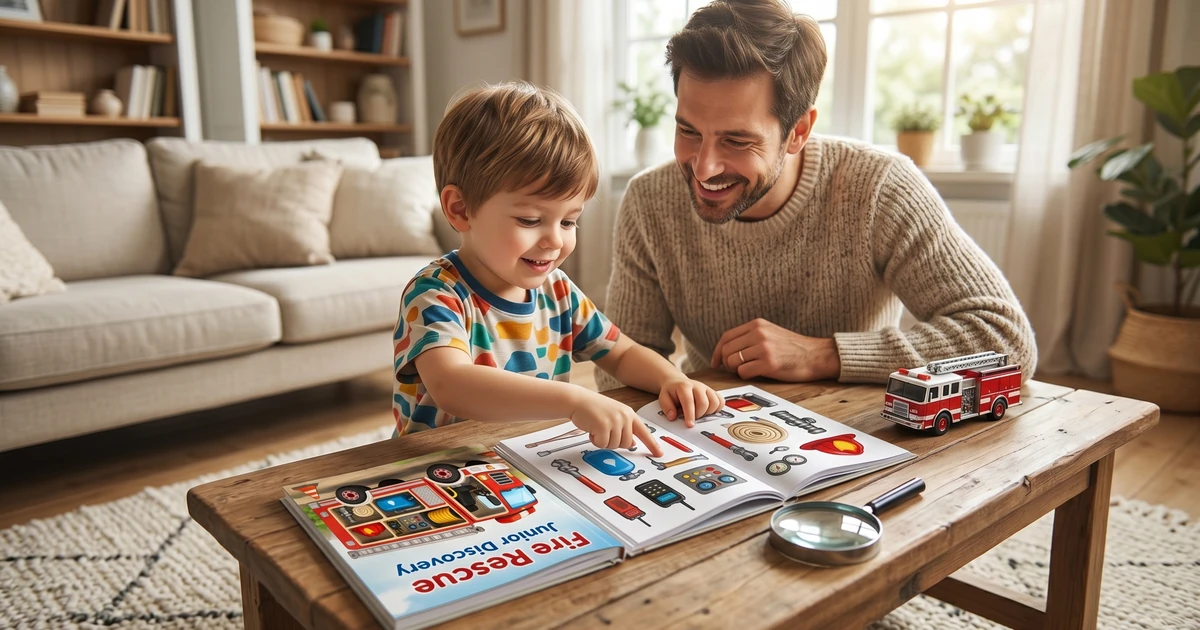
A community helpers workbook is an activity book designed for preschoolers and kindergarteners that centers on the roles of people who help our communities, such as firefighters, police officers, doctors, mail carriers, and teachers. It’s a staple theme in early childhood education because it builds social awareness, vocabulary, and respect for others while practicing core academic skills like letter recognition, counting, and fine motor development. My research into parent feedback reveals that the most effective workbooks use this theme as a springboard for deeper learning, connecting the dots between the helper and their tools, vehicle, and workplace.
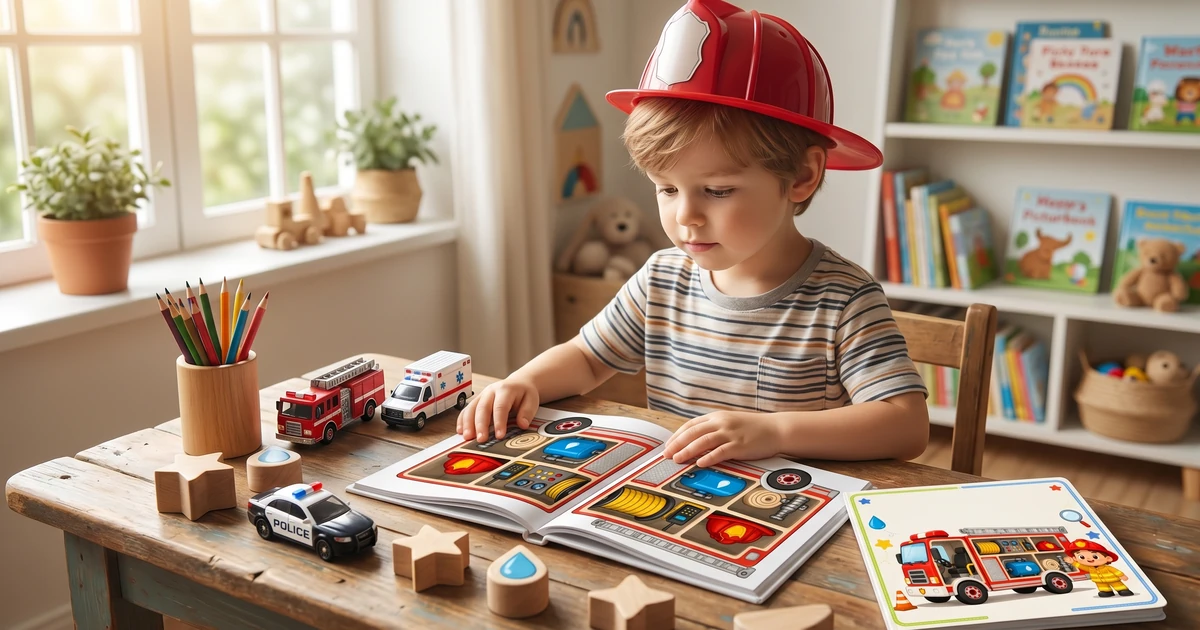
Think of it as a structured play guide. Instead of a loose collection of fire truck pictures, a good workbook might have a page where a child traces the word “FIRE,” counts the number of wheels on a truck, and then completes a simple maze where a firefighter “drives” to the burning building. This layered approach is what separates a memorable learning tool from a forgettable one. For a focused look on just the fire truck aspect, see our dedicated article Fire Truck Activity Workbook: Ignite Your Child’s Learning.
The best workbooks make abstract community roles concrete and relatable for a young child.
How to Choose the Right Community Helpers Workbook
Parents consistently report frustration with workbooks that look promising online but feel shallow and repetitive in practice. Based on analyzing dozens of reviews and product descriptions, I’ve compiled the key criteria you should check before purchasing. This table compares the features of a basic workbook versus an enriched one.
| Feature to Evaluate | Basic/Generic Workbook | High-Quality, Enriched Workbook |
|---|---|---|
| Activity Diversity | Mostly coloring and simple matching. | Mixes tracing, counting, sorting, simple mazes, role-play prompts, and cut-and-paste. |
| Skill Integration | Skills (like counting) are isolated and generic. | Skills are woven into the theme (e.g., “Count the 4 wheels on the police car”). |
| Vocabulary Building | Introduces helper names only. | Includes tools, vehicles, and action verbs (e.g., “extinguish,” “deliver,” “patrol”). |
| Connection to Real Life | Stays on the page. | Includes suggestions for simple at-home extension activities. |
| Art & Design Quality | Clip-art style, flat images. | Engaging, friendly illustrations that spark conversation. |
| Page Count & Value | Often under 30 pages of thin content. | 40+ pages of varied, substantial activities. |
Pro Tip: Look for workbooks that mention “scissor skills,” “gluing,” or “craft ideas” in the description. This indicates it’s designed for interactive, hands-on learning beyond just pencil work, which is crucial for holding a preschooler’s interest.
Your choice should hinge on whether the workbook offers a journey of discovery, not just a series of identical tasks.
Core Skills a Great Community Helpers Workbook Should Develop
Beyond recognizing a firefighter’s uniform, a top-tier workbook will strategically develop several foundational preschool skills through the theme. Here’s what you should expect it to cover, based on early childhood education frameworks I’ve studied from authorities like the National Association for the Education of Young Children (NAEYC).
- Fine Motor Skills: This includes controlled use of small hand muscles. Activities like tracing zig-zag hose lines, cutting out paper badges, and carefully placing stickers on a mail carrier’s bag all build the dexterity needed for writing.
- Early Math Concepts: Counting should be contextual. Look for pages that ask, “How many windows are on the fire station?” or “Sort the big tools and small tools.” According to the Erikson Institute’s Early Math Collaborative, embedding math in familiar contexts makes it more meaningful for young children.
- Language & Vocabulary: It should introduce specific, new words like “ambulance,” “stethoscope,” “siren,” and “hydrant.” Repeating these words through activities builds confidence and comprehension.
- Sequencing & Logic: Simple activities like “Help the firefighter sequence his day: Get in truck, Drive to fire, Spray water, Go back to station” teach basic logic and storytelling order.
- Social-Emotional Learning: The workbook should prompt conversations about helping, bravery, and kindness. Questions like “How does a doctor help us feel better?” foster empathy.
If your child struggles with traditional pencil-and-paper activities, pairing a workbook with totally hands-on projects is key. My article on Screen Free Activities for 3-Year-Olds: Fire Truck Edition offers perfect complementary ideas.
A workbook is a skill-building toolkit disguised as a fun theme.
Common Pitfalls: When a Community Helpers Workbook Isn’t the Right Choice
Not every child or situation calls for a themed workbook. From parent reviews, I’ve identified specific scenarios where purchasing one might be a misstep.
-
Your Child Resists Structured Worksheet Activities: Some children, especially very active or sensory-seeking preschoolers, find sitting with a workbook frustrating. If your child consistently throws a crayon after 30 seconds, a workbook might cause tension rather than learning. In this case, focus purely on hands-on play and stories.
-
The Workbook Is Your Only Educational Tool: A workbook shouldn’t be the sole source of learning about community helpers. It’s a supplement. If you aren’t also planning to read books, visit a local fire station (virtually or in person), or do related crafts, the workbook’s impact will be limited.
-
It’s Too Advanced or Too Simple for Your Child’s Level: Review the sample pages carefully. If most activities require letter writing your child isn’t ready for, it will lead to frustration. Conversely, if it’s only coloring and your child craves more challenge, they’ll lose interest fast. This mismatch is a common complaint in reviews.
“Parents often assume a workbook will ‘teach’ the theme. In reality, it’s a practice ground for skills the child is already exploring through play and conversation. The workbook consolidates the learning, not introduces it.” - Early Childhood Educator, Montessori School.
For parents noticing resistance, my article Why My Preschooler Hates Coloring Firetrucks and How I Fixed It provides practical strategies to adapt.
Know your child’s learning temperament before investing in any structured activity book.
Integrating a Workbook with Hands-On Fire Truck Activities
The magic happens when you bridge the workbook pages to real-world play. I’ve gathered the most successful integration strategies from parent blogs and community forums.
Step 1: Complete a Workbook Page as a “Mission Briefing”
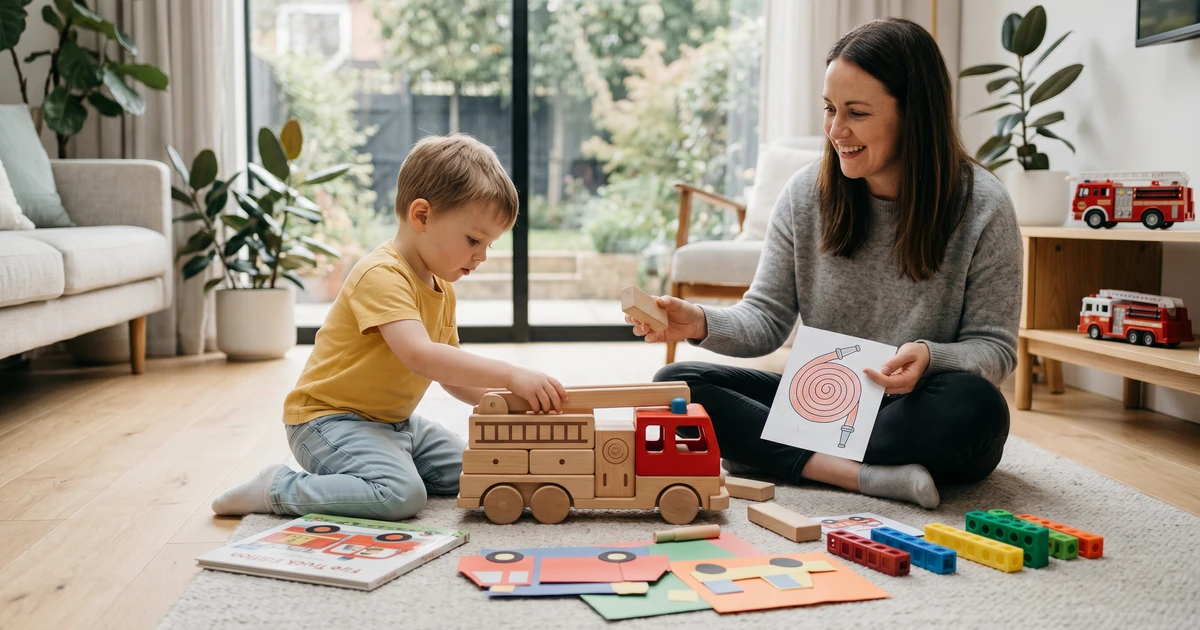
Start with a workbook activity that sets a scene. For example, after completing a page about a firefighter’s tools, tell your child, “Now we have our mission instructions! Our next job is to build a fire truck with blocks that can carry all these tools.”
Step 2: Launch a Related Hands-On Project
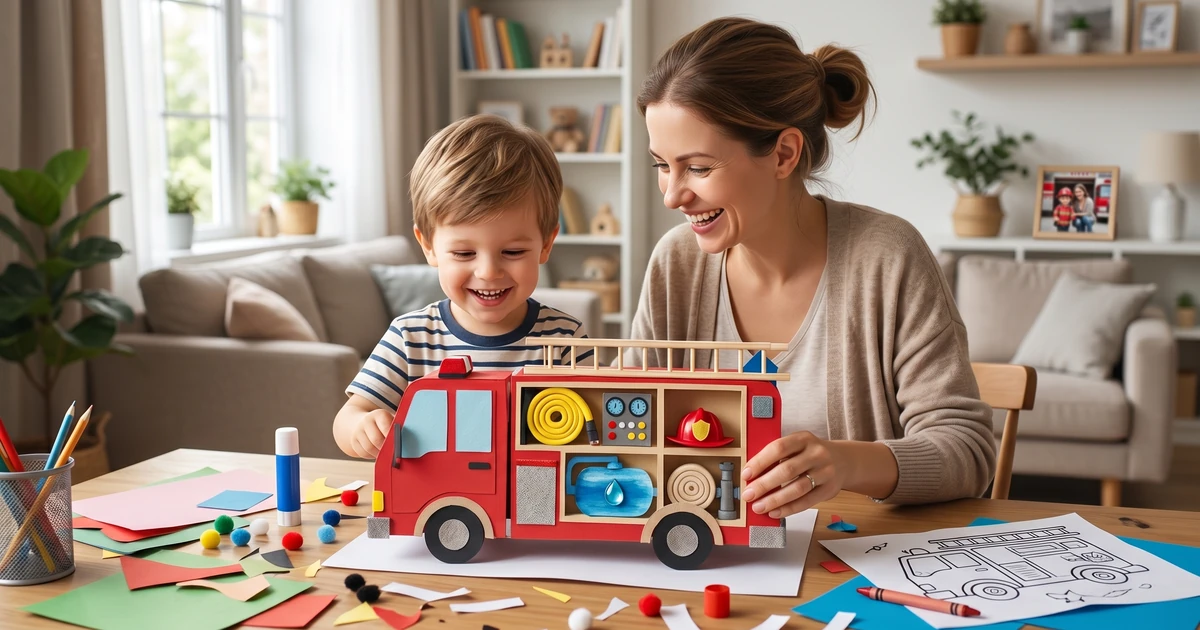
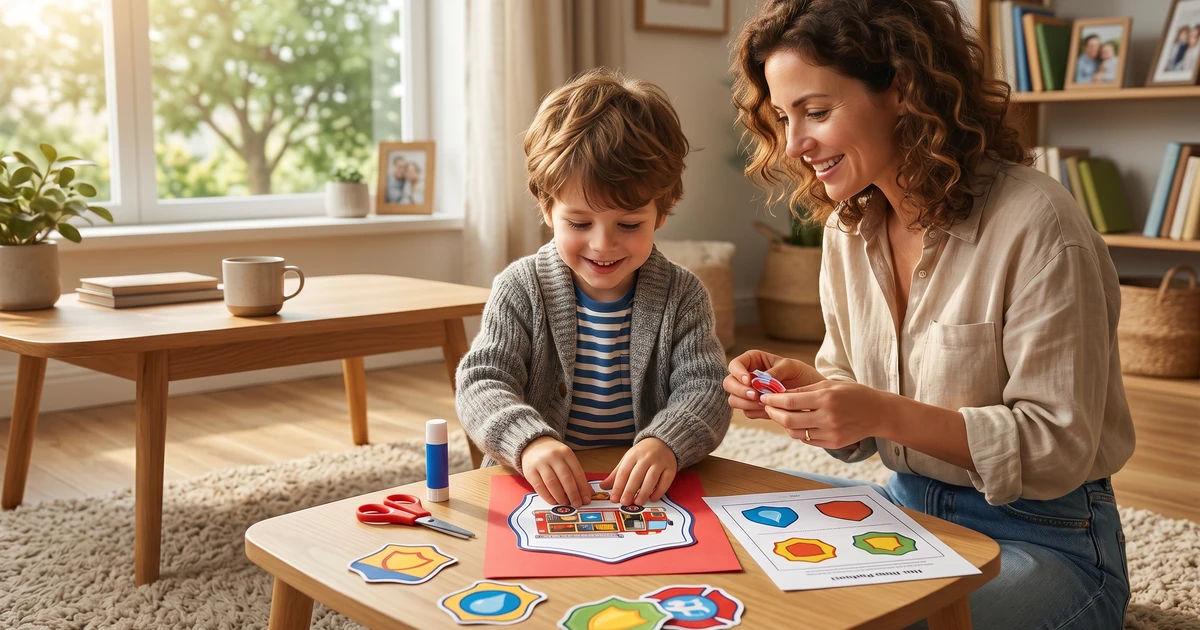
Use the workbook’s content as inspiration for a craft, building project, or role-play. If the workbook had a counting page with fire helmets, follow up by making paper fire helmets together. You can find a fantastic template to use in our Free Printable Firetruck Badge Template for Kids.
Step 3: Return to the Workbook to “Document” the Play
Later, revisit the workbook. You might say, “Let’s draw the fire truck we built in your workbook!” or “Can you trace the word ‘hero’ next to your picture?” This creates a rewarding loop of learning.
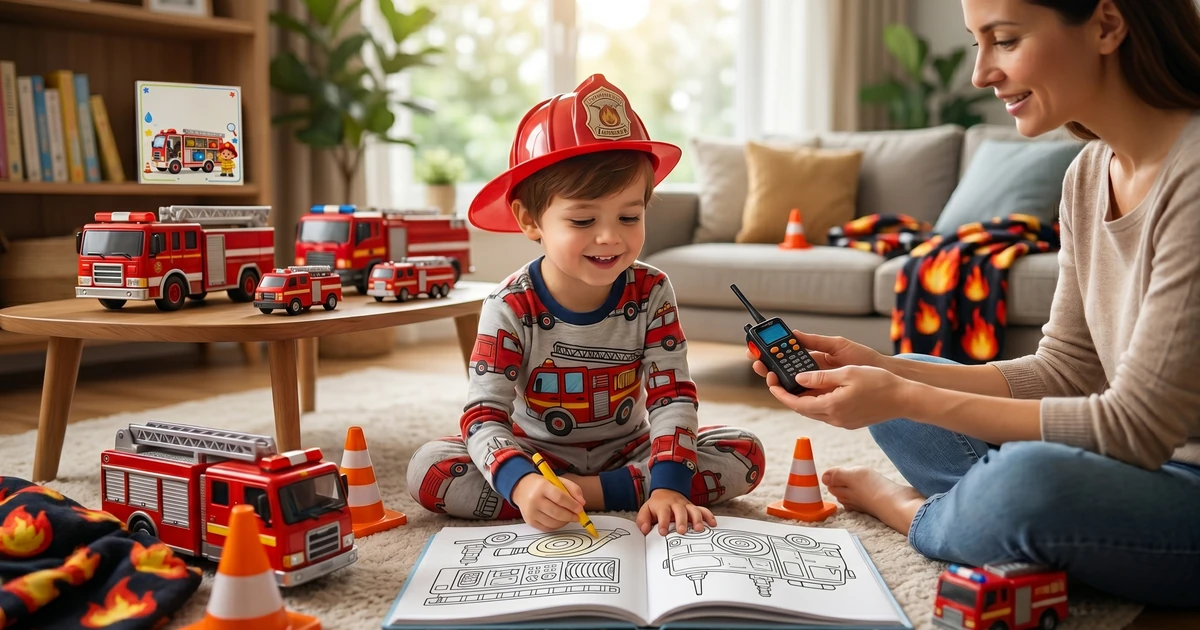
 A photo example of workbook and play integration: completing a maze page followed by driving a toy truck along the same path.
This integrated approach turns a simple activity book into a central part of a richer learning unit. For a full plan on bringing the fire truck theme to life, see our pillar guide Preschool Fire Truck Activities: A Parent’s Complete Guide.
The workbook becomes the anchor for a larger, more engaging learning adventure.
Cost and Value Analysis: What Should You Expect to Pay?
Prices for community helpers workbooks vary widely, from a few dollars for a digital PDF to $15 or more for a thick, premium paperback. Here’s a typical cost breakdown based on my market analysis.
| Item / Type | Price Range | Notes & Value Considerations |
|---|---|---|
| Digital PDF Download | $4 – $8 | Instant access, printable forever. You supply paper, ink, and laminating sheets. Great for testing interest. |
| Physical Paperback (40+ pages) | $10 – $15 | The most common format. Assess paper thickness (will it hold up to crayon?) and binding quality. |
| Premium Bundle (Workbook + Stickers/Crafts) | $18 – $25 | Includes cut-out pieces, stickers, or simple craft supplies. Adds convenience but assess if extras are high-quality. |
| Subscription/Monthly Themed Packet | $7 – $12 per month | Includes a community helpers month. Good for variety, but you may not control the depth on this specific theme. |
Remember, the value isn’t just in the page count. A $12 workbook with 30 ingenious, multi-step activities that you and your child talk about for weeks offers far more value than a $8 workbook with 50 pages of identical coloring sheets you complete in one quiet afternoon. Consider how it will fit into your broader educational plans, like a Budget Fire Truck Theme Party For Kids At Home.
Price should correlate with the depth of activities and the quality of the learning experience, not just the number of pages.
FAQ: Real Buyer Questions About Community Helpers Workbooks
Q: My 3-year-old can’t trace letters yet. Will a community helpers workbook still be useful? Absolutely. Look for workbooks that offer a range of fine motor activities beyond tracing, such as placing stickers, simple cutting along straight lines (with safety scissors), and matching shapes or colors. These build the foundational skills for later tracing and writing. Avoid workbooks where tracing is the primary activity.
Q: Are these workbooks good for a child who already knows all about fire trucks? They can be, if the workbook offers new information or skill challenges. A child who knows trucks might be bored by simple coloring. Choose a workbook that uses their knowledge as a base for new learning, like counting ladder rungs, learning about other helpers (like EMTs who work with firefighters), or sequencing a rescue story. It should expand their expertise.
Q: I want to focus heavily on fire safety. Does a general “community helpers” workbook cover that? Most general workbooks touch on it lightly (e.g., a firefighter putting out a fire). If fire safety is your main goal, you might find a general workbook insufficient. Supplement it heavily with dedicated fire safety resources, like our guide Fire Safety for Preschoolers: Simple Steps, and choose a workbook that at least has specific pages on firefighters and their equipment.
Q: How long does it typically take a preschooler to finish a 40-page workbook? This varies wildly by child and how you use it. If you do one page per day as a focused activity, it could take 40 days. If you use it intermittently and dive deep into extension projects, it could span 2-3 months. Don’t rush it. The value is in the engagement and conversation, not completion speed.
Q: Can I use the same workbook for both my 3-year-old and my 5-year-old? This is challenging. A 5-year-old will likely find the activities for a 3-year-old too simple, leading to boredom. You can adapt by asking the older child more complex questions about the same page (e.g., “What other jobs might use a ladder?”), but ideally, each child should have material at their developmental level for optimal engagement.
Q: What’s the biggest mistake parents make when using these workbooks? The most common mistake, according to feedback I’ve analyzed, is treating the workbook as a “task” to be completed quietly. The workbook should be a conversation starter. Talk about every page, ask questions, relate it to your child’s experiences (“Remember when we saw a mail truck?”), and connect it to play.
Q: When is a community helpers workbook NOT the right choice? It’s not the right choice if your child is currently in a phase of strong resistance to any seated, guided activity, or if you are looking for a primary tool to teach brand-new concepts. It’s a supportive practice tool, not a core curriculum.
Q: Do these workbooks usually include activities for helpers beyond firefighters and police? Quality ones do. Look for workbooks that also feature less-celebrated but essential helpers like sanitation workers, construction workers, librarians, and farmers. This broadens a child’s understanding of community and can introduce new vocabulary and concepts.