
If you’re navigating the world of preschool activities, you’ve likely discovered that a fire truck activity workbook is more than just a coloring book. It’s a tool for engagement, learning, and fun. But with countless options available, finding one that genuinely captivates and teaches can be a challenge. As part of the Kubby Team, I’ve spent considerable time analyzing feedback from parents and educators to understand what makes these workbooks a hit or a miss. A great workbook is not just about pictures of trucks; it’s about developing key early skills through a theme kids adore. In this article, I’ll break down everything you need to know to select, use, and maximize the benefits of a fire truck activity book for your young learner. For a broader look at integrating this theme, my complete guide on Preschool Fire Truck Activities: A Parent’s Complete Guide is a great next read.
GUND Official PAW Patrol Marshall in Signature Firefighter Uniform Plush Toy, Stuffed Animal for Ages 1 and Up, 6" (Styles May Vary) : Toys & Games
GUND Official PAW Patrol Marshall in Signature Firefighter Uniform Plush Toy, Stuffed Animal for Ages 1 and Up, 6" (Styles May Vary) : Toys & Games
Key Takeaways:
- A quality fire truck workbook focuses on more than coloring, incorporating puzzles, mazes, matching games, and safety lessons.
- The best books balance educational value with pure fun, targeting key developmental areas like fine motor skills, pattern recognition, and pre-writing.
- Avoid books with overly complex images or text-heavy pages, which can frustrate preschool-aged children.
- Look for durable, high-quality paper that can withstand enthusiastic scribbling, erasing, and stickers.
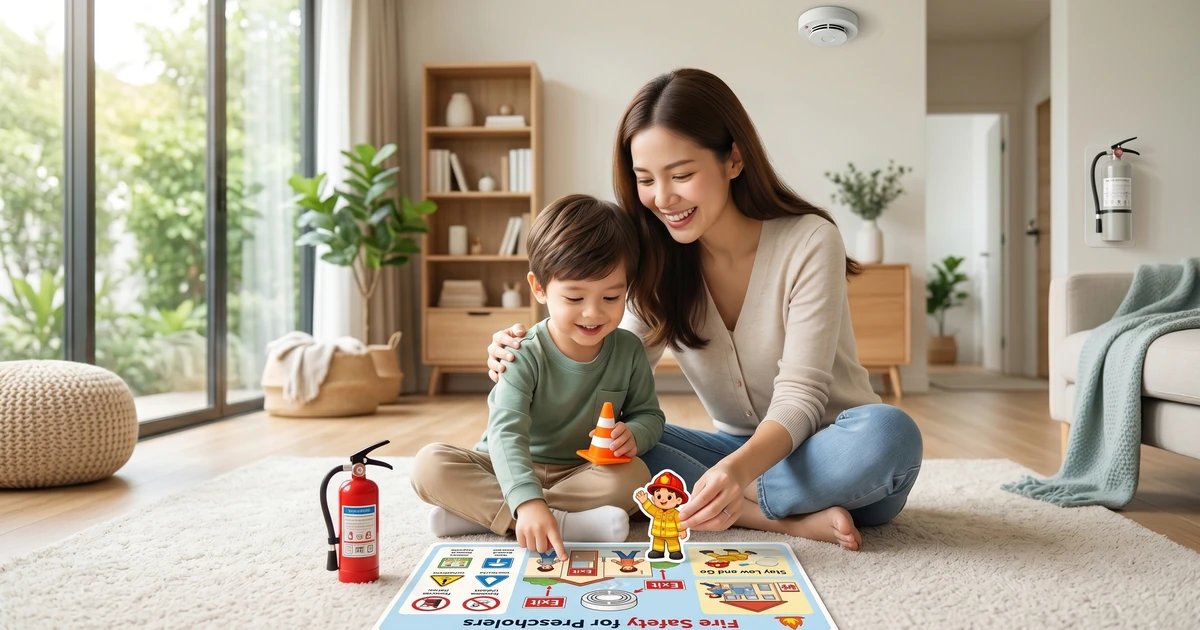
- A great workbook can be a gateway to deeper learning about Community Helpers and essential Fire Safety for Preschoolers: Simple Steps.
What Makes a Great Fire Truck Activity Workbook?
A great fire truck activity workbook is a carefully crafted blend of education and entertainment. It is designed with the developmental stage of a preschooler (typically ages 3-5) firmly in mind. Based on my analysis of reviews and discussions with early childhood educators, the standout books do one thing exceptionally well: they use the high-interest theme of fire trucks as a vehicle for skill-building, not as a final destination.
These workbooks should progress logically, starting with simple activities to build confidence. Common, effective activities include:
- Simple tracing and mazes to develop pre-writing skills and pencil grip.
- Basic matching games (e.g., matching the same trucks or linking hats to firefighters) to build visual discrimination.
- Counting activities featuring fire hydrants, dalmatians, or ladders.
- Color-by-number or simple color recognition pages.
- Spot-the-difference puzzles to enhance attention to detail.
- Simple safety messages woven into activities, like identifying an exit sign or a smoke alarm.
The magic happens when the child doesn’t realize they’re “working.” They’re just helping the fire truck find its way to the fire or counting how many hoses are needed. This aligns perfectly with the concept of Screen Free Activities for 3-Year-Olds: Fire Truck Edition, providing tangible, skill-building play.
The best workbooks turn play into foundational learning.
Key Features to Look For When Choosing a Workbook
Not all activity books are created equal. When I compare options for parents, I focus on specific criteria that separate the engaging, durable workbooks from the disappointing ones. Here is a comparison table based on common features found in popular workbooks:
| Feature | High-Quality Workbook | Lower-Quality Workbook |
|---|---|---|
| Paper Quality | Thick, smooth paper (100gsm+) that resists bleed-through from markers. | Thin, rough paper that tears easily and shows markings on the back. |
| Activity Variety | 8-10 different activity types (maze, trace, match, count, etc.). | Primarily coloring pages with 1-2 other activities. |
| Skill Progression | Activities start simple and gradually increase in complexity. | Random difficulty; a challenging maze might follow a simple coloring page. |
| Art & Illustrations | Clear, friendly, bold-lined illustrations that are easy for small hands to color. | Overly detailed, “sketchy,” or cluttered images that are frustrating to color. |
| Educational Content | Integrates early math, literacy, logic, and safety concepts naturally. | Lacks clear educational intent beyond basic coloring. |
| Durability | Sturdy binding (spiral or glued well) that lays flat, with a wipe-clean cover. | Flimsy staples or glue that fails, pages fall out easily. |
Pro Tip: Before buying, look for “look inside” previews online. Check if the mazes have wide paths, if the tracing lines are thick and dotted, and if the images appeal to a child. If it looks frustrating to you, it will be for them.
Beyond the table, consider these points:
-
Age Appropriateness: The activities must match your child’s fine motor abilities. A 3-year-old needs larger spaces to color and simpler paths to follow than a 5-year-old.
-
Thematic Consistency: Does the book stay on theme? Some books awkwardly insert unrelated animals or shapes. A cohesive fire truck theme maintains engagement.
-
Reusability: Are pages single-use? Some books include activities like sticker pages that can only be done once. Others, like laminated wipe-clean books, offer more long-term value.
Choose a workbook that matches your child’s current skill level to foster success, not frustration.
How to Use a Fire Truck Workbook Effectively: A Step-by-Step Guide
Buying the workbook is just the start. How you introduce and use it makes all the difference. Based on patterns in parent feedback, here is a method that leads to positive, extended engagement.
Step 1: Set the Scene for Success
Don’t just hand over the book. Create a special “learning station” at a table with good light. Have the right tools ready: chunky crayons, washable broad-tip markers, or a golf pencil for tiny hands. This ritual signals that it’s activity time.
Step 2: Browse and Build Excitement
Sit with your child and flip through the book together. Point out fun pages. “Oh, look! A maze for the fire engine!” or “We can count the dalmatians on this page!” Let them choose the first activity. This gives them ownership and builds anticipation. This shared browsing can also spark conversations that tie into other resources, like discussing the firefighter’s role from our Community Helpers Workbook.
Step 3: Guide, Don’t Take Over
As they work, offer encouragement, not correction. If they color outside the lines, celebrate the color they chose. If they get stuck in a maze, gently suggest, “What if we try going left here?” The goal is the process, not a perfect product. This is particularly important if you’ve ever faced resistance, as discussed in Why My Preschooler Hates Coloring Firetrucks and How I Fixed It.
Step 4: Connect Activities to Real Life
Maximize the learning by making connections. After a counting page, count the red cars you see out the window. After tracing a ladder, talk about how firefighters use ladders to reach people. This turns an abstract activity into concrete understanding.
Step 5: Pace and Celebrate
Limit workbook time to 10-20 minutes, depending on your child’s attention span. Always end on a high note, even if you don’t finish a page. Praise their effort. You can use a reward like a Free Printable Firetruck Badge Template for Kids to celebrate completion of the book!
Effective use is about quality interaction, not quantity of pages completed.
Common Workbook Pitfalls and How to Avoid Them
Even with the best intentions, activity books can sometimes lead to disengagement. From my research, here are the most common failure modes parents report and how to steer clear of them.
-
The Workbook is Too Advanced: This is the number one issue. A book labeled “preschool” might have mazes with paths that are too narrow or cutting activities too complex for a 3-year-old’s motor skills.
- Solution: Match the book to your child’s specific abilities, not just their age. Look for books labeled “Toddler” or “Ages 2-4” for younger preschoolers.
-
It’s Just a Coloring Book in Disguise: If 80% of the pages are detailed coloring images, many preschoolers will lose interest quickly. They often prefer quicker, game-like tasks.
- Solution: Prioritize books that emphasize activity variety. Use the comparison table above to evaluate before purchasing.
-
Poor Paper Quality Leads to Mess: Thin paper means markers bleed through, crayons tear the page, and erasing leaves holes. This frustrates both child and parent.
- Solution: Invest in books known for better paper. In reviews, parents often specifically mention “thick pages” or “no bleed-through.”
-
Forced Learning: Turning every page into a rigorous quiz (“What number is this? What letter is that?”) sucks the joy out of it.
- Solution: Follow the child’s lead. If they just want to color the truck red for 10 minutes, that’s fine. The exposure to the theme is valuable. For a deeper dive into nurturing this interest, see How My Kid Became Obsessed with Firetrucks.
“Preschool activity workbooks should invite participation, not demand perfection. The child’s enjoyment and sense of accomplishment are the primary metrics of success.” - Early Childhood Educator, as cited in a National Association for the Education of Young Children (NAEYC) article on choosing materials.
Avoid frustration by selecting a workbook that aligns with your child’s fine motor skills and attention span.
Cost Breakdown: What Should You Expect to Pay?
Understanding the price field helps you assess value. Generally, you get what you pay for. Here’s a typical cost breakdown for fire truck activity workbooks:
| Type of Workbook | Price Range | What You’re Paying For |
|---|---|---|
| Budget Printable (Digital Download) | $3 - $8 | Instant access, ability to print specific pages repeatedly. You supply paper and ink. Quality varies wildly. |
| Mass-Market Paperback | $5 - $9 | Widely available, often at big-box stores. Usually lower paper quality, simpler activities. Good for trial. |
| Premium Paperback/Spiral-Bound | $10 - $15 | Better paper, more creative and varied activities, often from educational brands. Better binding. |
| Wipe-Clean / Reusable Hardcover | $12 - $18 | Laminated pages, use with dry-erase markers. Highest cost per book but can be used indefinitely. |
For themed activities on a budget, don’t forget to explore ideas from a Budget Fire Truck Theme Party For Kids At Home, which often include simple, printable activities.
Is a premium workbook worth it? If your child is deeply into the theme and you plan to use the book repeatedly over weeks, the investment in better quality often pays off in reduced frustration and longer engagement. The reusable option has the highest upfront cost but the lowest cost-per-use over time.
Invest in paper and binding quality for a better experience, especially if your child is enthusiastic about the theme.
FAQ: Your Fire Truck Activity Workbook Questions Answered
Q1: My 3-year-old gets bored with coloring quickly. Is a fire truck workbook still a good idea? Absolutely, but you need to choose strategically. Avoid workbooks that are mostly coloring. Instead, look for ones packed with games like matching, simple spot-the-difference, large mazes, and sticker activities. The constant change in task will hold their interest much longer than a standard coloring book.
Q2: Are wipe-clean activity books worth the extra money for a preschooler? For some children, yes. They are fantastic for kids who love repetition or who get upset by “mistakes,” as they can easily erase. However, they require dry-erase markers (often not included) and supervision to avoid marks on walls or clothes. For a one-time, no-fuss activity, a high-quality paper workbook is often simpler.
Q3: What if my child only wants to do the “fun” pages and skips the counting or tracing? This is very common and perfectly okay. Let them engage with the book on their terms. You can gently guide them later by saying, “The firefighter needs to know how many hydrants are here to plan his route. Can you help him count?” Making the educational page part of the story increases its appeal.
Q4: The workbook I bought has cutting activities. My child isn’t ready for scissors. What should I do? Simply skip those pages for now, or adapt them. You can do the cutting for them and let them glue the pieces, or you can use the page as a coloring page. File the book away and revisit it in a few months when their scissor skills have developed.
Q5: How do I know if the workbook is teaching correct fire safety messages? Check the content. It should be very basic and positive: firefighters are helpers, get out and stay out in a fire, “Stop, Drop, and Roll.” Avoid any books with frightening or overly dramatic depictions of fires. For foundational safety lessons, pair the workbook with direct teaching from resources like Fire Safety for Preschoolers: Simple Steps.
Q6: My preschooler rips paper books. Should I avoid workbooks entirely? Not necessarily. Consider a sturdy spiral-bound book where individual pages are harder to rip out accidentally, or invest in a hardcover wipe-clean book. You can also use a three-ring binder with printable sheets in plastic sleeves, creating your own durable, customizable activity book.
Q7: When is a fire truck activity workbook NOT the right choice? It’s not the right choice if your child has no interest in vehicles or themed learning, or if they are in a phase of extreme resistance to structured sitting. In that case, focus on physical, fire-truck-themed play instead. It’s also a poor choice if you need a quiet, independent activity for long periods; most preschoolers need intermittent engagement and help.
Q8: Can I use one workbook for siblings with a 2-year age gap? It’s challenging. A 5-year-old will breeze through activities meant for a 3-year-old. It’s better to get age-specific books. However, you can use a more advanced book with the older child and let the younger one “participate” by coloring in the large areas or placing stickers, with close supervision.
A well-chosen fire truck activity workbook is a powerful tool in your educational arsenal. It harnesses a compelling theme to build critical pre-academic skills while providing focused, screen-free fun. By focusing on quality, variety, and age-appropriateness, you can find a book that sparks joy and learning in your preschooler. Remember, the goal is to foster a love of learning through play, one fire truck adventure at a time.