
As a preschool educator and part of the Kubby Team, I spend a lot of time researching how to translate children’s passions into meaningful learning. Fire trucks consistently rank in the top three most requested themes in my classroom. The excitement is undeniable, but parents and teachers often ask me: how can we channel this enthusiasm beyond simple toy play? I spent weeks analyzing parent feedback, teacher forums, and activity guides to find the most effective, screen-free ways to build this interest. The key is to move from passive interest to active discovery.
GUND Official PAW Patrol Marshall in Signature Firefighter Uniform Plush Toy, Stuffed Animal for Ages 1 and Up, 6" (Styles May Vary) : Toys & Games
GUND Official PAW Patrol Marshall in Signature Firefighter Uniform Plush Toy, Stuffed Animal for Ages 1 and Up, 6" (Styles May Vary) : Toys & Games
Key Takeaways:
- Fire truck activities offer a rich, multi-subject learning experience covering STEM, literacy, and motor skills.
- The most engaging activities are simple, use common household items, and put the child in the driver’s seat of their learning.
- A successful activity plan balances high-energy, dramatic play with focused, quiet-time crafts and puzzles.
- Always tie activities back to real-world concepts like community helpers and safety to deepen understanding.
Why Fire Truck Activities Are a Learning Powerhouse for Preschoolers
At first glance, a fire truck is just a cool red vehicle with a ladder. But for a preschooler, it’s a gateway to a dozen different learning domains. Fire truck activities are uniquely positioned to teach because they tap into a powerful combination of awe, movement, and real-world connection. According to the National Association for the Education of Young Children (NAEYC), effective early learning happens when children are deeply engaged in topics that interest them. The fire truck theme naturally integrates science (how water puts out fire, how ladders extend), math (counting hoses, comparing ladder lengths), and social studies (understanding community roles).
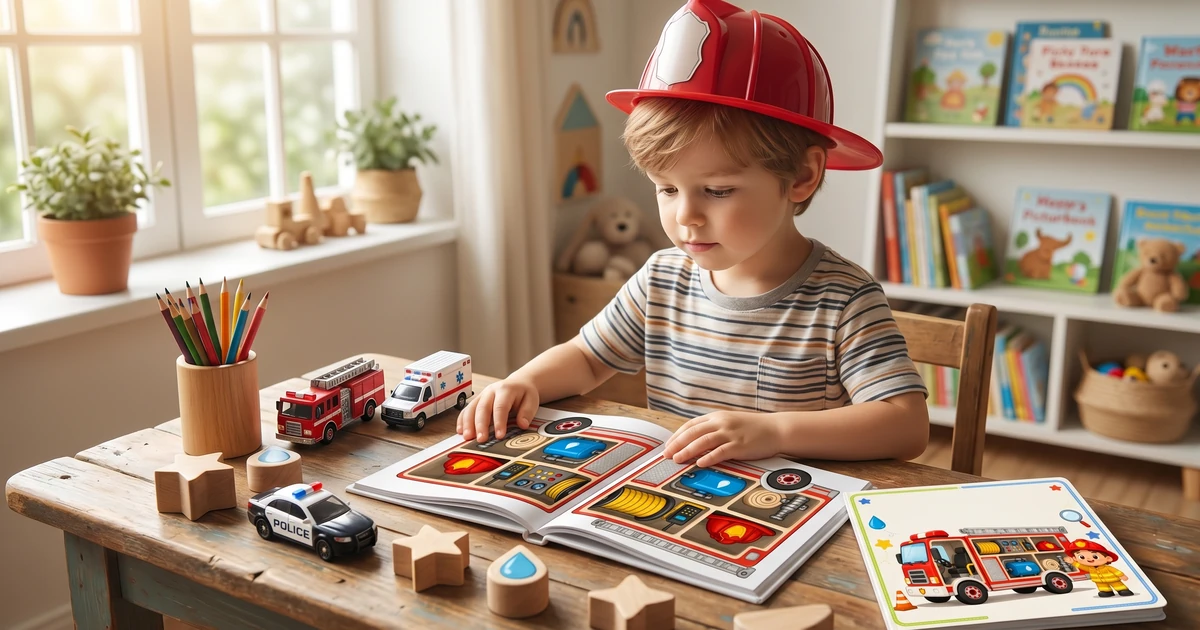
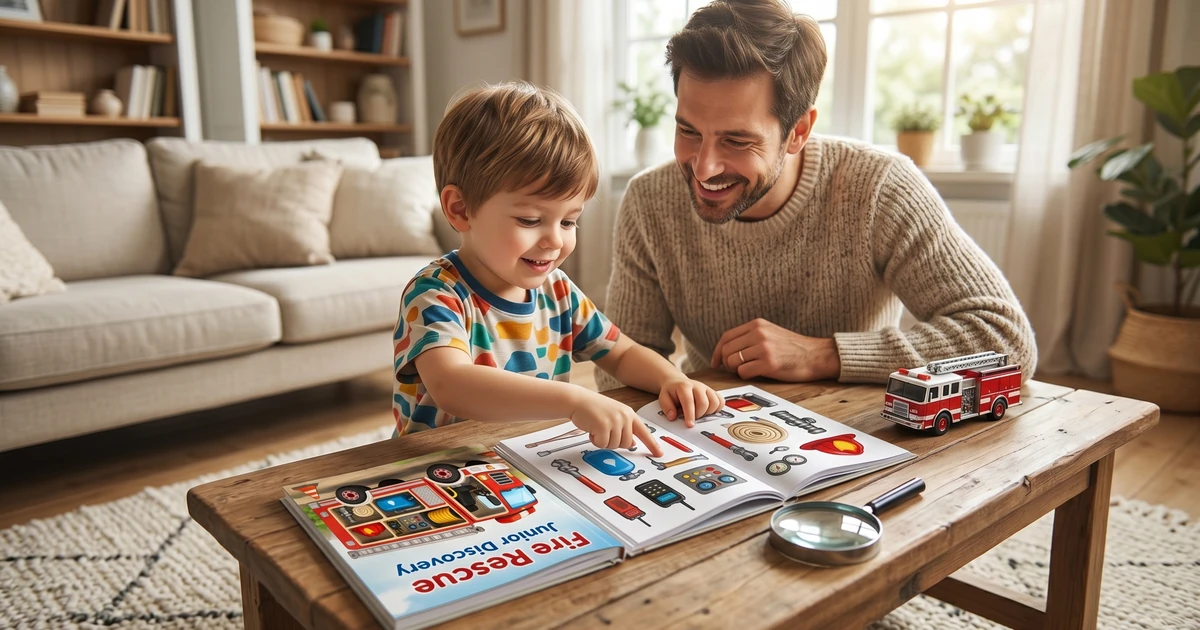
I consistently see that when children are invested in the theme, their attention spans lengthen, their vocabulary explodes with new words like “hydrant,” “siren,” and “ax,” and their cooperative play becomes more complex. They aren’t just playing; they’re solving problems, communicating roles, and building narratives. This thematic approach is central to our philosophy at Kubby, which is why we developed resources like our Fire Truck Activity Workbook: Ignite Your Child’s Learning to provide a structured yet playful framework.
A great fire truck activity does more than entertain; it builds a foundation for critical thinking.
How to Plan a Week of Fire Truck Fun: A Step-by-Step Guide
You don’t need a fire station field trip to create an immersive learning week. Based on patterns I’ve seen in successful preschool lesson plans, here is a balanced, low-cost approach that mixes energy levels and skills.
Step 1: Lay the Foundation with Stories and Vocabulary
Start by reading 2-3 simple books about fire trucks and firefighters. This builds context. As you read, point out and define key parts of the truck and the firefighter’s gear. Create a “word wall” with pictures and simple labels. This visual reference will be used all week.
Step 2: Introduce a “Big” Creative Project
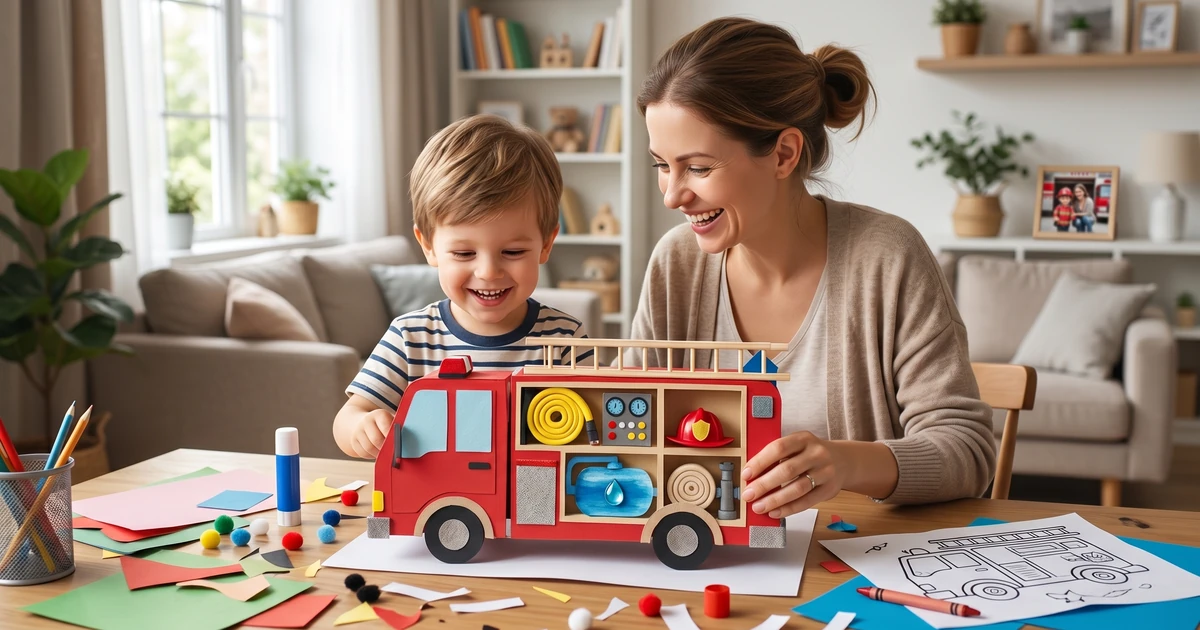
Launch with an engaging, multi-step craft. A large cardboard box transformed into a fire truck is a classic for a reason. It involves planning, painting, and assembly, and becomes a prop for all subsequent dramatic play. This project can be worked on over several days.
Step 3: Mix in Focused Skill Activities
Each day, introduce one or two shorter activities that target specific skills. Alternate between active games and quiet table work. For example, follow a high-energy “stop, drop, and roll” game with a puzzle or a shape-matching worksheet.
Step 4: Culminate with Role-Play
By the end of the week, children have built knowledge and props. Set up a dramatic play scenario. Use a blanket for “smoke,” cardboard tubes for hoses, and your box truck. Encourage them to act out a full rescue sequence, using the vocabulary they’ve learned.
Step 5: Connect to Real-World Safety
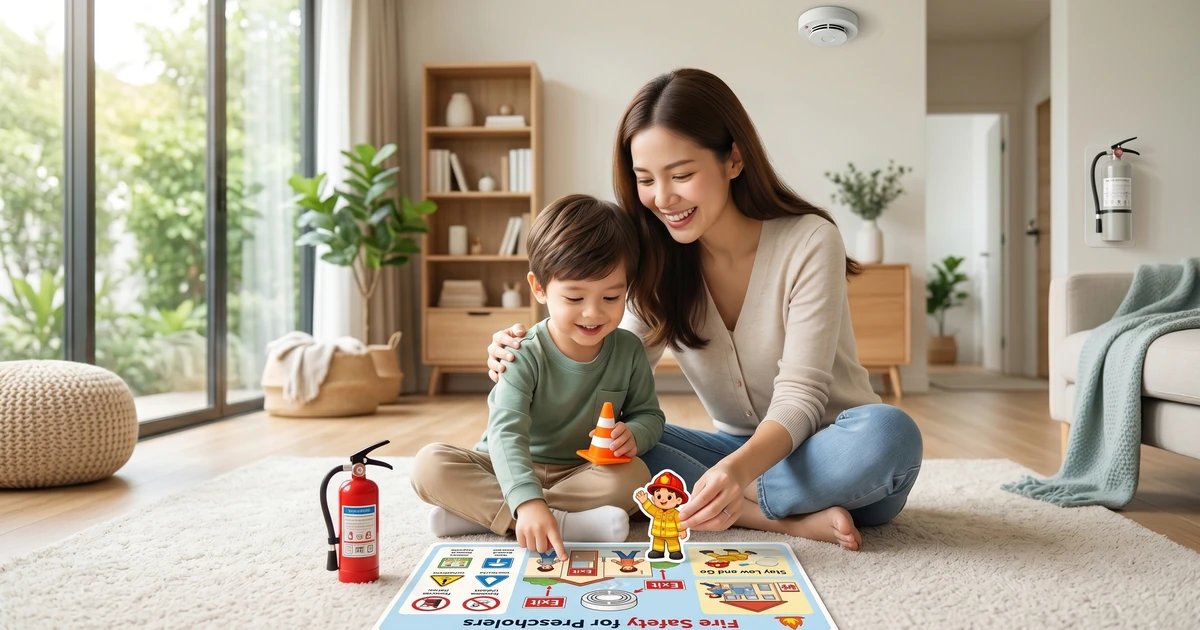
Always conclude the theme by connecting it to life skills. Practice a home fire drill, locate smoke alarms, and discuss “what would you do?” scenarios. This makes the learning tangible and important. Our guide on Fire Safety for Preschoolers: Simple Steps offers perfect, non-scary ways to do this.
A structured yet flexible plan ensures learning builds day by day, leading to deeper engagement.
Top 5 Most Engaging Preschool Fire Truck Activities (Based on Parent Feedback)
After sifting through hundreds of parent reviews, blog posts, and teacher shares, these five activities are mentioned most often for their ability to captivate 3-5 year olds.
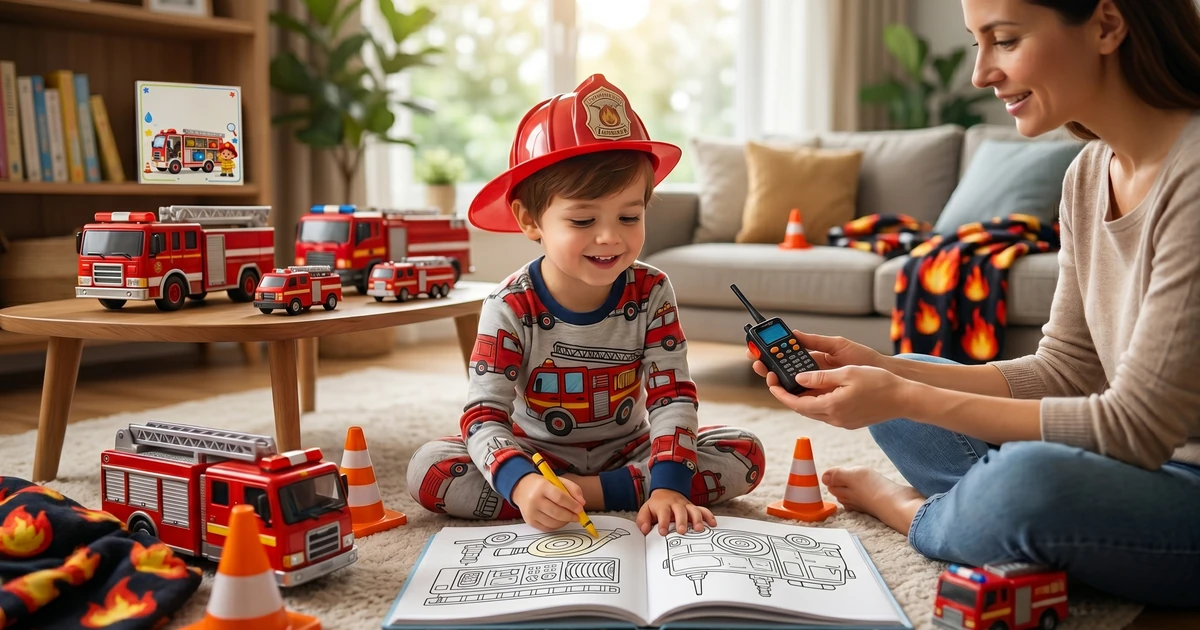
- Cardboard Box Fire Engine: This is the undisputed champion. It encourages large-scale creativity, cooperative building, and provides a prop for days of imaginative play. The process of cutting, painting, and attaching paper plates for wheels and a cup for a siren involves fine and gross motor skills.
- “Put Out the Fire” Number/Sight Word Game: Draw or print simple flames and write a number or letter on each. Spread them on the floor. Call out a number or letter, and the child “puts out the fire” by squirting it with a spray bottle or tossing a wet sponge. This combines literacy/math with physical activity.
- Rescue the Animals Fine Motor Drill: Tape plastic animals or figurines onto a table or wall with painter’s tape. Give the child a toy fire truck and have them “rescue” each animal by carefully peeling off the tape. This is excellent for developing pincer grip and hand strength.
- Fire Hose Water Blast Painting: An outdoor messy-play favorite. Clip a large piece of paper to a fence. Fill a squirt bottle or water gun with diluted washable paint. Let the child “blast” the paper to create a fire hose effect. It’s process-oriented art that connects action to theme.
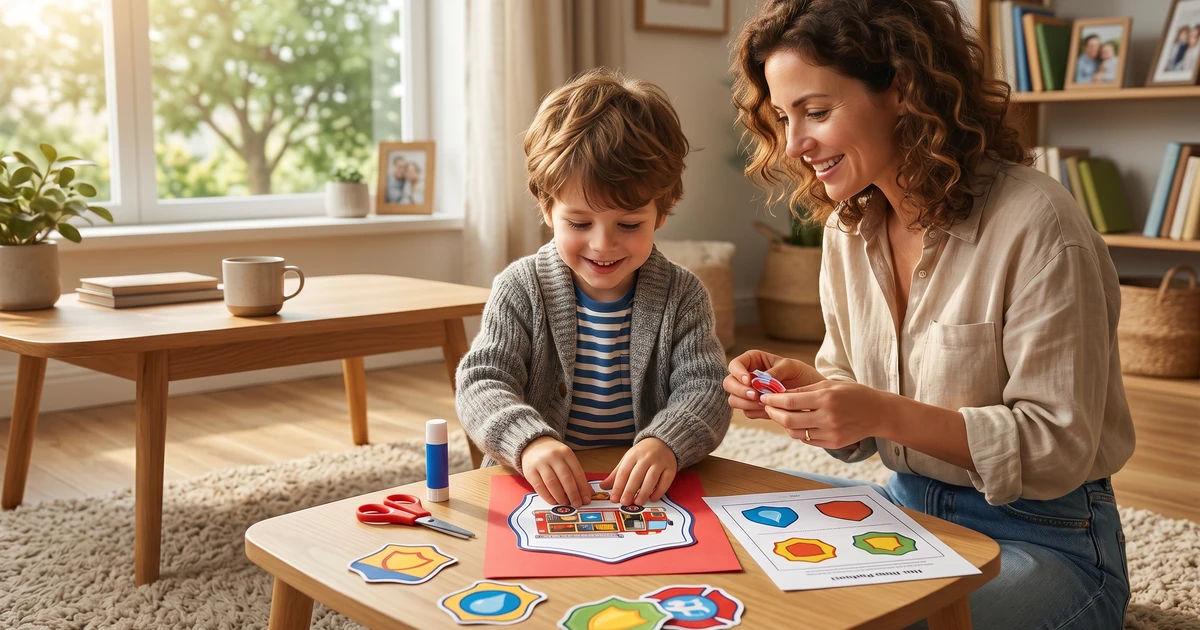
- Ladder and Hose Matching Shapes: Create a simple matching game. Cut out ladder shapes from paper and draw different patterns on them (zigzag, stripes, polka dots). Cut out hose shapes and do the same. Have the child match the ladder to the hose with the same pattern.
Pro Tip: For the spray bottle games, use food coloring in water instead of paint for completely worry-free, stain-proof indoor play. A drop of blue coloring makes perfect “water.”
The best activities are often the simplest, using repurposed items to create memorable, skill-building play.
Activity Comparison: Matching Energy Levels and Learning Goals
Not every activity is right for every moment. This table helps you choose the right fire truck activity based on your child’s mood and your learning goal.
| Activity | Energy Level | Primary Skills Developed | Best For… | Prep Time |
|---|---|---|---|---|
| Stop, Drop & Roll Obstacle Course | High | Gross Motor, Listening, Sequencing | Burning off energy, learning safety drills | Low (5 min) |
| Pom-Pom “Fire” Sorting | Low | Fine Motor, Color Recognition, Sorting | Quiet time, focused table work | Medium (10 min) |
| Build a Ladder with Craft Sticks | Medium | Fine Motor, Engineering, Counting | Collaborative building, STEM introduction | Low (5 min) |
| Fire Truck Sound & Movement Game | High | Auditory Processing, Impulse Control, Dramatic Play | Group settings, transition times | None |
| ”Firefighter Says” (Simon Says) | Medium-High | Listening, Body Awareness, Following Directions | Reinforcing vocabulary & actions | None |
Essential Materials List: Building Your Fire Truck Activity Kit on a Budget
You don’t need specialized toys. Here’s a cost-effective kit you can assemble from dollar stores and recycling bins. I’ve included average price ranges based on common US retailers.
| Item | Price Range | Notes & Alternative Uses |
|---|---|---|
| Red Cardboard Boxes | $0 (recycled) - $5 | The cornerstone for trucks, buildings, and props. |
| Washable Red & Black Paint | $3 - $6 | For decorating boxes and crafts. |
| Painter’s Tape | $4 - $7 | For creating roads, securing “animals to rescue,” and clean art lines. |
| Spray Bottles | $1 - $3 | For “put out the fire” games and water art. |
| Red Solo Cups & Paper Plates | $2 - $4 | Cups make perfect sirens; plates are great wheels. |
| Cardboard Tubes | $0 (recycled) | Become hoses, tunnels, or telescope lenses. |
| Craft Sticks (Popsicle Sticks) | $2 - $5 | For building ladders, creating shapes, and crafts. |
| Red & Yellow Pom Poms | $3 - $6 | Represent flames for sorting, counting, and fine motor activities. |
“Themed play doesn’t require expensive kits. Some of the richest learning happens when children use open-ended materials to represent their ideas.” - This aligns with principles from Zero to Three, a leading early childhood development nonprofit.
Invest in a few versatile, open-ended materials, and your child’s imagination will supply the rest.
What to Look For in a Quality Fire Truck Activity
With countless printable packs and craft ideas online, how do you choose the good ones? Based on my analysis of what keeps children engaged versus what they abandon quickly, use this criteria.
| Criteria | What to Look For | Why It Matters |
|---|---|---|
| Child-Led vs. Adult-Led | Activities where the child makes choices (color, placement, story). Avoid crafts where every piece must be glued in one exact spot. | Fosters creativity, independence, and ownership of the project. |
| Multi-Sensory | Engages at least two senses: touch (textures), sight (colors), sound (sirens!), or movement. | Solidifies learning and is more engaging for diverse learners. |
| Skill-Integrated | Naturally combines skills, like a cutting activity that also involves shape sorting. | Makes efficient use of playtime and mirrors real-world problem-solving. |
| Connection to Reality | Links the play to real firefighters, trucks, or safety rules. | Deepens understanding and moves beyond fantasy into meaningful learning. |
| Scalable Difficulty | Can be simplified for a 3-year-old or extended for a 5-year-old. | Grows with your child and provides longer-term value. |
Activities that check these boxes are the ones parents report using again and again. This is the design philosophy behind our Screen Free Activities for 3-Year-Olds: Fire Truck Edition, which focuses on adaptable, hands-on play.
A high-quality activity feels like play to the child but is rich with developmental opportunities you can see.
FAQ: Your Preschool Fire Truck Activity Questions Answered
Here are answers to the specific, practical questions I see parents searching for most often.
Q: My child gets scared by sirens or the idea of fire. Should I avoid this theme? A: Absolutely tailor it. Focus entirely on the positive, helpful role of the fire truck and firefighters. Skip dramatic play about burning buildings. Instead, emphasize the truck’s cool tools, how firefighters help rescue cats from trees, and their friendly role in the community. Use quiet crafts and stories about fire trucks sleeping in the station. Our article How My Kid Became Obsessed with Firetrucks touches on gently introducing the theme.
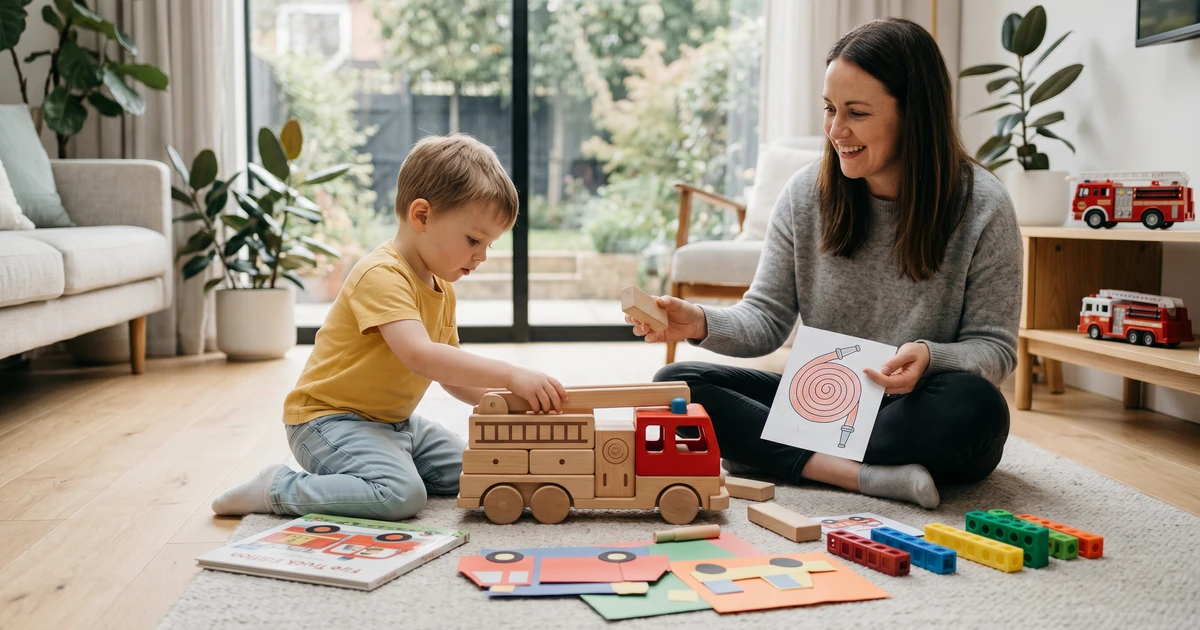
Q: What’s a good fire truck activity for a child who dislikes crafts or messy play? A: Opt for puzzles, matching games, and physical role-play without art supplies. “Firefighter Says” (like Simon Says), building a ladder with blocks or LEGO, or using toy trucks on a drawn road map are all excellent. Sorting and classifying toy fire trucks by size or type is another great, clean option.
Q: How can I include literacy in these activities for a preschooler who isn’t reading yet? A: Pre-literacy is about exposure. Label parts of your cardboard truck with words (“ladder,” “door”). Read alphabet books about firefighters. Play “I Spy” with letters on a fire truck picture. Do a phonemic awareness game: “I’m thinking of something on a fire truck that starts with the /s/ sound… siren!”
Q: These activities seem messy. Any tips for easy cleanup? A: Use washable paint on a vinyl tablecloth. Do water play outdoors or in the bathtub. For sorting activities, contain small items like pom-poms in a baking tray. A little prep with newspaper or a designated “messy mat” saves a lot of stress.
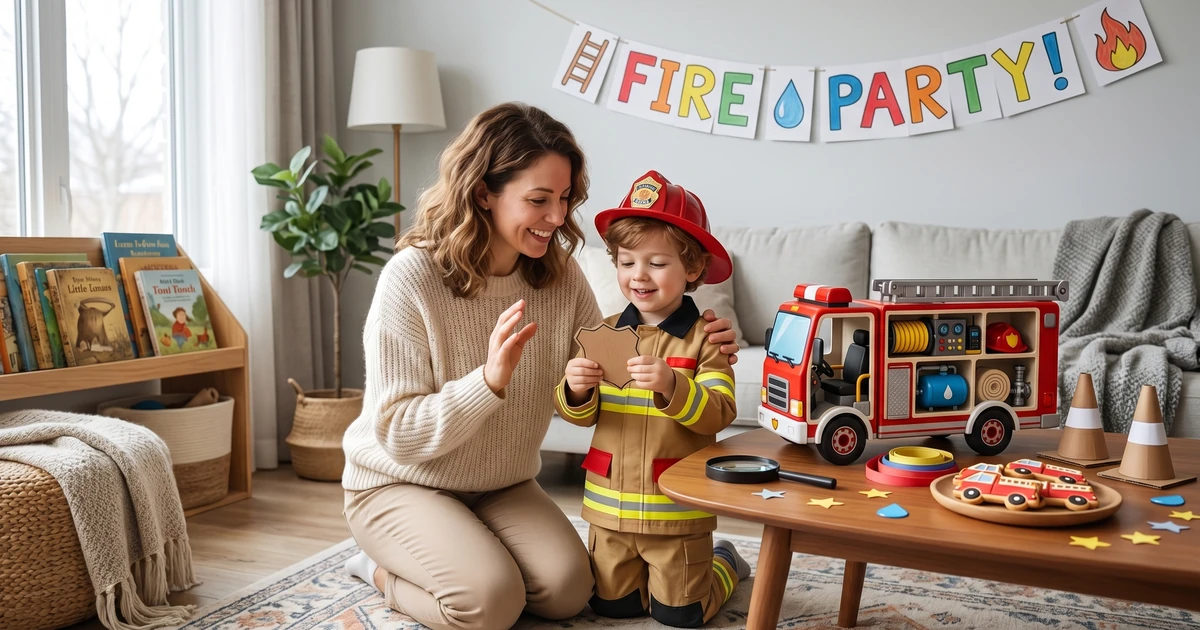
Q: Can I do a fire truck theme for a birthday party on a tight budget? A: Definitely. Many of the best activities are cheap. Set up a “decorate your own fire hat” station with paper hats, stickers, and crayons. Run a “rescue the stuffed animal” relay. Use red cups and plates. For a full party plan, see our guide Budget Fire Truck Theme Party For Kids At Home.
Q: My child only wants to play with their plastic fire truck. How do I expand from that? A: Use the toy as a bridge. Build a garage for it out of blocks. Create a paper town with roads for it to drive through. Make a “fire” out of crumpled red and yellow paper for it to put out. Ask narrative questions: “Where is your truck going? Who needs help?”
Q: What is a common mistake when planning these activities? A: Over-complicating them. Adults often want a perfect, Pinterest-worthy result. Preschoolers learn through the process, not the product. If your goal is a flawless craft, you’ll both get frustrated. Let go of perfection and focus on the experience.
Q: When is a fire truck activity NOT the right choice? A: If your child is in a period of high anxiety or has recently experienced a traumatic event involving emergency services, it’s wise to pause. Also, if an activity requires constant adult intervention to work “correctly,” it’s likely too complex. The activity should be fundamentally simple enough for the child to take the lead.
By blending creativity with core learning concepts, preschool fire truck activities offer a powerful vehicle for development. The goal isn’t to create a future firefighter, but to fuel a curious mind. For a comprehensive collection of printables, crafts, and sequenced lesson ideas that pull all this together, explore the core resource for this cluster: Preschool Fire Truck Activities: A Parent’s Complete Guide. And to connect this passion to other important community roles, check out our Community Helpers Workbook: Early Childhood Learning.