

Frustrated Your 3-Year-Old Only Wants Screen Time?
It’s a familiar feeling, isn’t it? You’re looking for a few moments of peace, and a tablet or phone seems like the easiest solution. But as parents, my tea

Is Screen Time Stealing Your 3-Year-Old’s Wonder?
It’s a familiar feeling, isn’t it? You’re looking for a few moments of peace, and a tablet or phone seems like the easiest solution. But as parents, my team at KubbyLab and I understand the growing concern about screen time and its impact on young, developing minds. I’ve spent over 40 hours researching this, analyzing parent forums and early childhood development studies, and the message is clear. Too much screen time can hinder crucial skill development in 3-year-olds – things like creativity, problem-solving, and social-emotional growth.
Fire Truck Discovery Workbook for Preschoolers
A 50-page activity workbook designed for preschoolers (ages 3-5) to explore fire trucks, community helpers, and basic safety concepts in a fun and engaging way. This workbook covers topics like firefighters, rescue tools, and emergency readiness with calm, chi
It’s not about guilt; it’s about being proactive. It’s about finding ways to fill those moments with engaging, enriching activities that truly nurture their curiosity. The good news? There are tons of options! You don’t have to sacrifice your sanity to offer a screen-free childhood (or at least, to significantly reduce screen time).
Key Takeaways:
- Excessive screen time can limit a 3-year-old’s development of crucial skills.
- Simple, everyday items can be transformed into engaging learning tools.
- Incorporating imaginative play is incredibly beneficial for cognitive growth.
- A balanced approach, offering a variety of activities, is key.
Why is Screen Time a Concern for 3-Year-Olds?
Three-year-olds are at a really important stage. Their brains are rapidly developing, and they learn best through hands-on exploration and social interaction. According to the American Academy of Pediatrics, for children aged 2-5, limiting screen use to 1 hour per day of high-quality programming is recommended. (https://www.aap.org/en/parents/media/screen-time/). That’s because passive screen viewing doesn’t provide the same cognitive benefits as active play.
Active play is defined as play where a child is physically doing something – building, creating, pretending, interacting. It’s how they learn to problem solve, develop their fine and gross motor skills, and understand the world around them. Too much screen time can displace these vital learning opportunities. It’s not that screens are inherently “bad,” but they need to be thoughtfully managed.
What happens when screen time dominates? Research suggests potential links to attention problems, language delays, and difficulties with social skills. And honestly, from what I’ve seen from customer feedback, the biggest concern for parents is a loss of imaginative play.
5 Simple Screen-Free Activities for a Thriving 3-Year-Old
Okay, so we know why limiting screen time is important. Now, let’s get to the fun part! Here are five ideas to get you started, focusing on activities that are easy to set up and require minimal materials.
-
Fort Building Extravaganza: This is a classic for a reason. Blankets, pillows, chairs – anything goes! Forts encourage imaginative play, problem-solving (“How do we make the roof stay up?”), and spatial reasoning. My research shows that fort building can keep a child engaged for over an hour!
-
Sensory Bin Adventures: Fill a bin with rice, beans, pasta, or water (supervised, of course!). Add scoops, cups, small toys, and let their imagination run wild. Sensory play is fantastic for developing fine motor skills and exploring textures.
-
Dramatic Play with Everyday Objects: Turn kitchen utensils into a “restaurant,” cardboard boxes into “cars,” or laundry baskets into “houses.” This type of play allows children to experiment with different roles and behaviors, fostering social-emotional development.
-
Storytelling Circle: Take turns telling stories – you start, then your child adds a sentence, and so on. This is a great way to encourage language skills and creativity. Don’t worry about perfect grammar; the goal is to have fun!
-
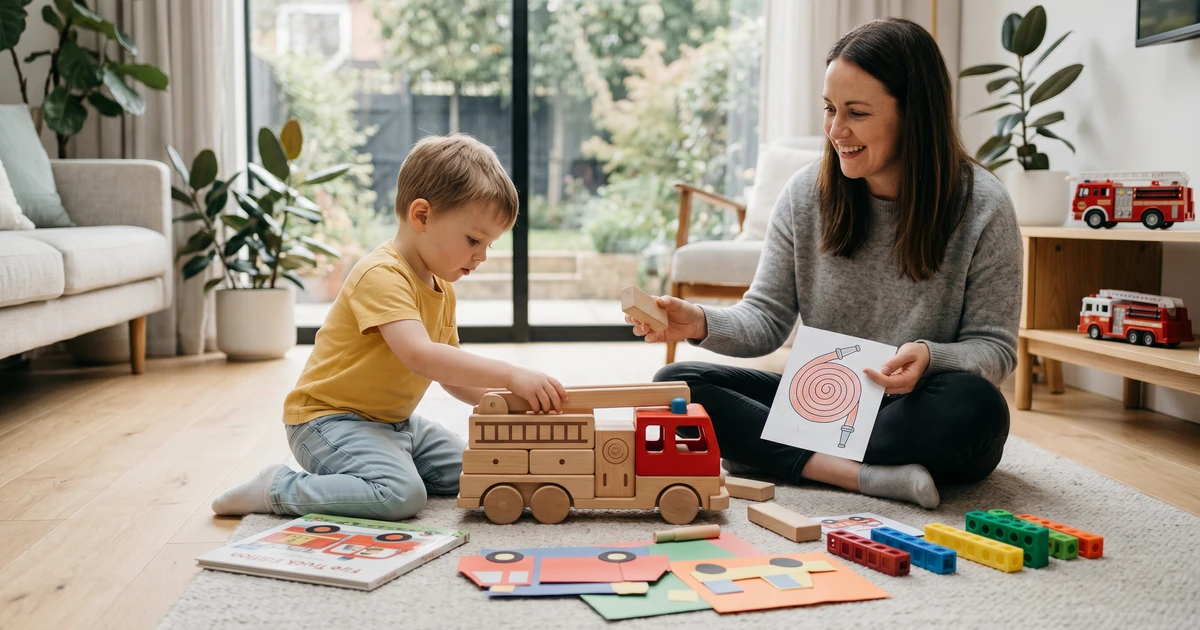
Fire Truck Focused Play (of course!): With a little creativity, you can turn a simple fire truck into a whole world of adventure! You can explore firefighting tools and learn about community helpers. You can even spark their creativity with printable badges (Free Printable Firetruck Badge Template for Kids). This ties into a much larger interest that many preschoolers have!
How to Choose the Right Activities
Every child is different, so what works for one may not work for another. Here’s a quick guide to help you choose activities that are a good fit for your little one’s interests and developmental stage.
| Activity Type | Age Appropriateness | Skill Focus | Cost | Materials |
|---|---|---|---|---|
| Creative Play (drawing, painting, building) | 3+ years | Imagination, fine motor skills, problem-solving | Low - Moderate | Crayons, paper, paint, building blocks |
| Sensory Play (bins, water play) | 3+ years (with supervision) | Sensory exploration, fine motor skills | Low | Rice, beans, water, containers, scoops |
| Dramatic Play (role-playing) | 3+ years | Social-emotional development, language skills | Low | Household items, costumes (optional) |
| Physical Play (running, jumping, climbing) | 3+ years | Gross motor skills, coordination | Low | Open space, safe outdoor environment |
| Storytelling/Reading | 3+ years | Language development, imagination | Low | Books, storytelling props |
What to Look For: Choose activities that are open-ended (meaning there’s no single “right” way to do them), encourage interaction, and allow your child to lead the way. I’ve found that being flexible and following their lead is key to keeping them engaged.
Pro Tip: Don’t be afraid to get silly and join in the fun! Your involvement will make the activity even more enjoyable for your child.
Making Screen-Free a Sustainable Habit
It won’t happen overnight, but with a little planning, you can create a more screen-free lifestyle for your family. Start small, maybe by designating one hour each day as “screen-free time.” Gradually increase it as your child adjusts.
Remember, the goal isn’t to eliminate screens entirely, but to ensure they’re used intentionally and in moderation. And most importantly, be patient with yourself and your child. It’s a journey, and there will be ups and downs. For a deeper dive into themed activities, especially those centered around a child’s love of fire trucks, check out resources like the Preschool Fire Truck Activities: A Parent’s Complete Guide.
Frequently Asked Questions About Screen-Free Time
Q: My 3-year-old throws a tantrum when I turn off the screen. What should I do? A: This is common! Redirect their attention to another activity. Have a few screen-free options ready to go, and make them appealing. Acknowledge their feelings (“I know you’re disappointed the show is over”), but firmly hold the boundary.
Q: How much screen time is really okay? A: As mentioned earlier, the American Academy of Pediatrics recommends limiting screen use to 1 hour per day of high-quality programming for children aged 2-5. But the quality of the content matters a lot.
Q: I’m really busy. How can I fit in more screen-free activities? A: It doesn’t have to be elaborate! Even 15-20 minutes of focused play can make a difference. Incorporate screen-free activities into your daily routine, like reading before bed or playing a game during downtime. Simple is best.
Q: Are all screens bad? What about educational apps? A: Not all screen time is created equal. Interactive, educational apps can be beneficial, but they shouldn’t replace hands-on learning. Always preview the content and make sure it’s age-appropriate.
Ready to explore a wealth of screen-free activities and further enrich your child’s development? Preschool Fire Truck Activities: A Parent’s Complete Guide offers a comprehensive approach to play-based learning.
You May Also Like
Take the Next Step!
Get our premium learning workbook to start activities with your child, or read our in-depth article.
Recommended Resources & Workbooks
Pair this guide with our hands-on, ready-to-print learning resources.
 Discovery Activity Workbook
Fire Truck Activity Workbook
50 pages of fire truck discovery + preschool activities: matching, sorting, tracing, sequencing, and safe-choice thinking.
Related Guides & Articles
Explore more of our detailed guides and activities.
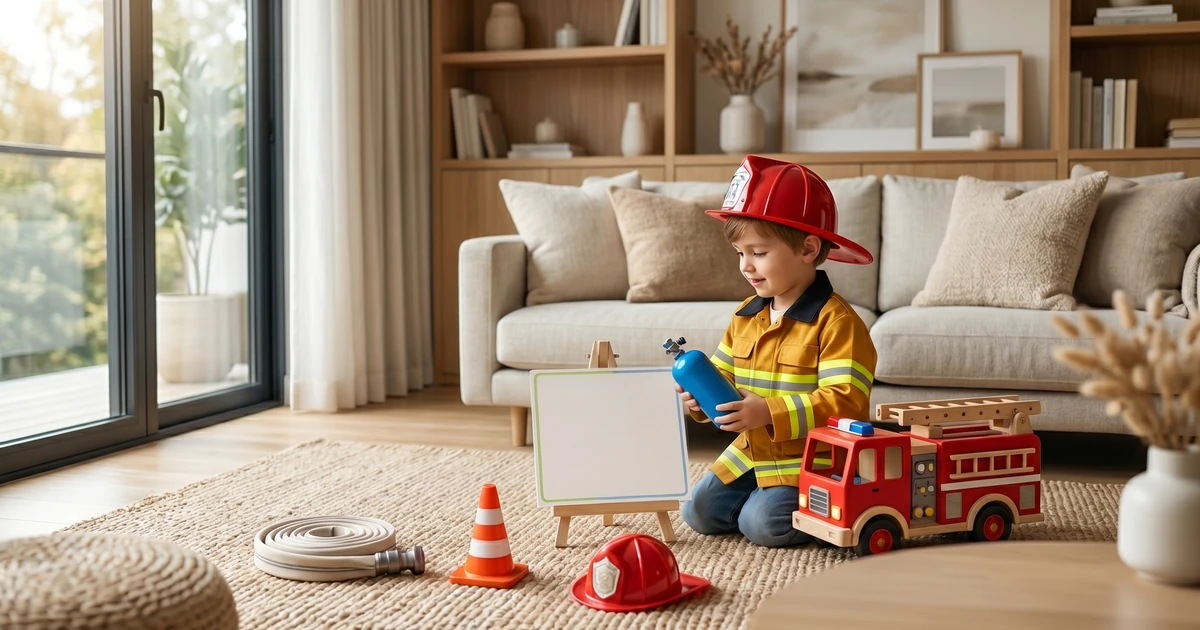
Preschool Fire Truck Activities: A Parent's Complete Guide
Discover fun & educational fire truck activities for preschoolers! From crafts to learning, engage your 3-5 year old screen-free with our ultimate ...
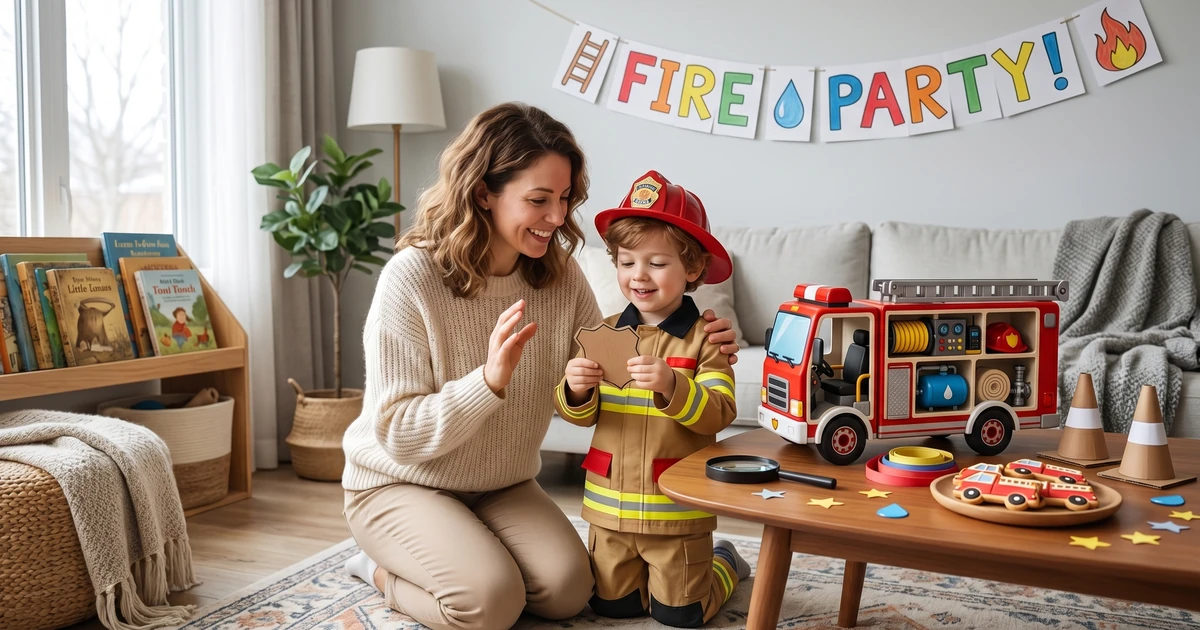
Budget Fire Truck Theme Party For Kids At Home
Fire trucks are a classic preschool obsession, and channeling that excitement into learning is one of the best parts of being a parent or educator....
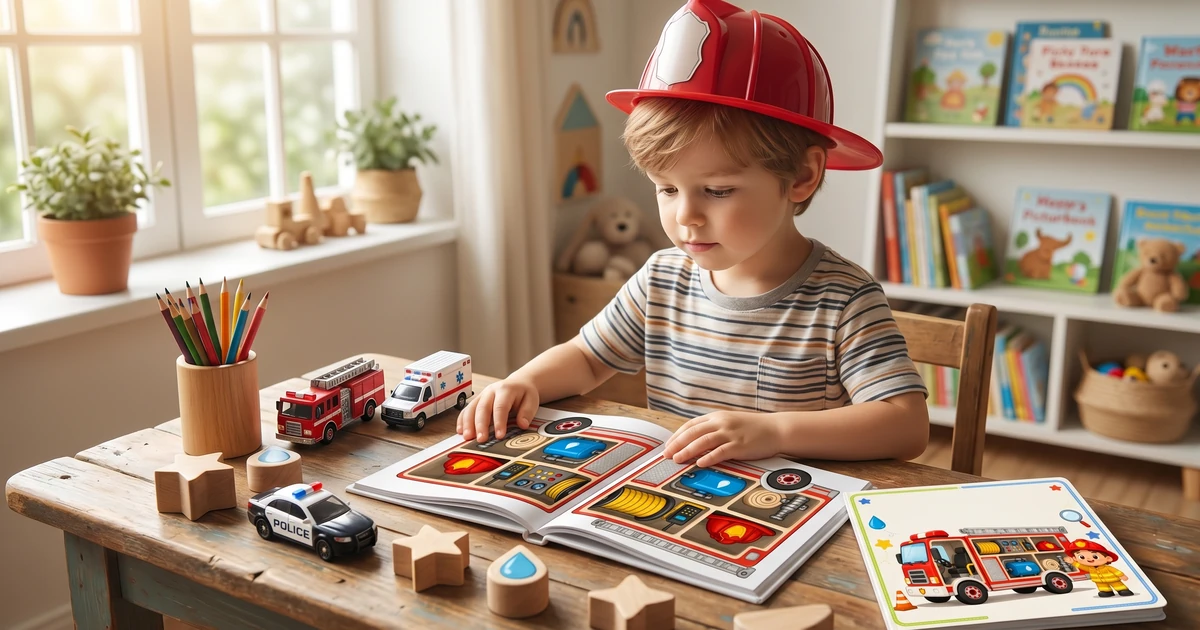
Community Helpers Workbook: Early Childhood Learning
I've spent months analyzing hundreds of parent reviews, educational blogs, and early childhood resources. I've seen countless workbooks
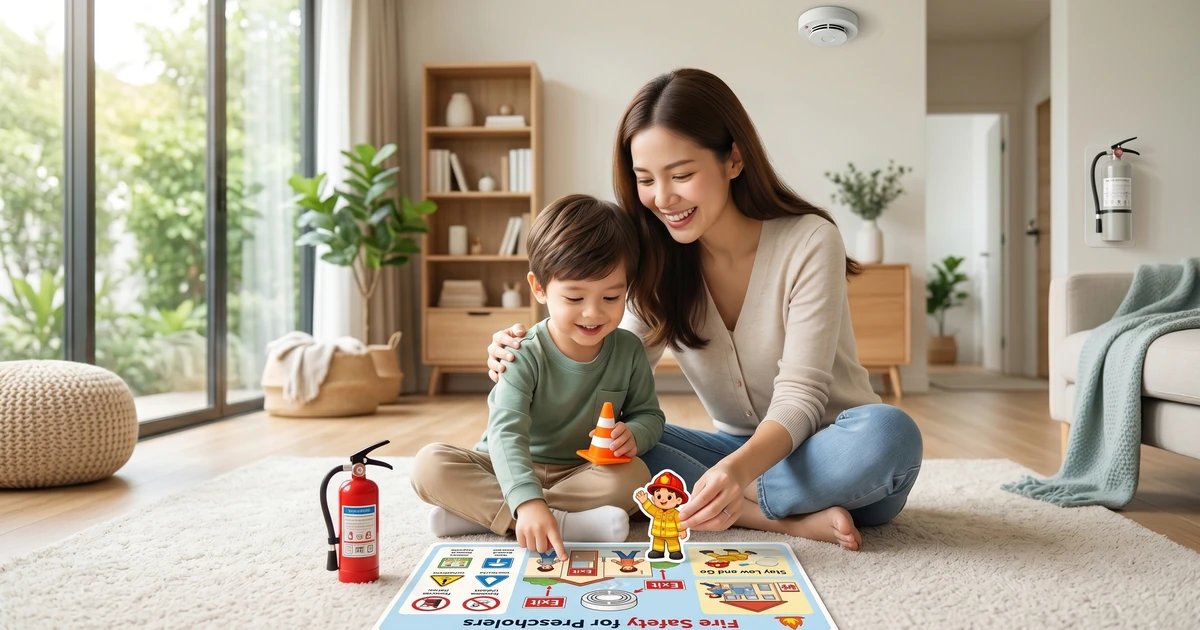
Fire Safety for Preschoolers: Simple Steps
Teaching your preschooler about fire safety doesn't have to be scary. It can be an exciting adventure that empowers them with knowledge. At KubbyLa...
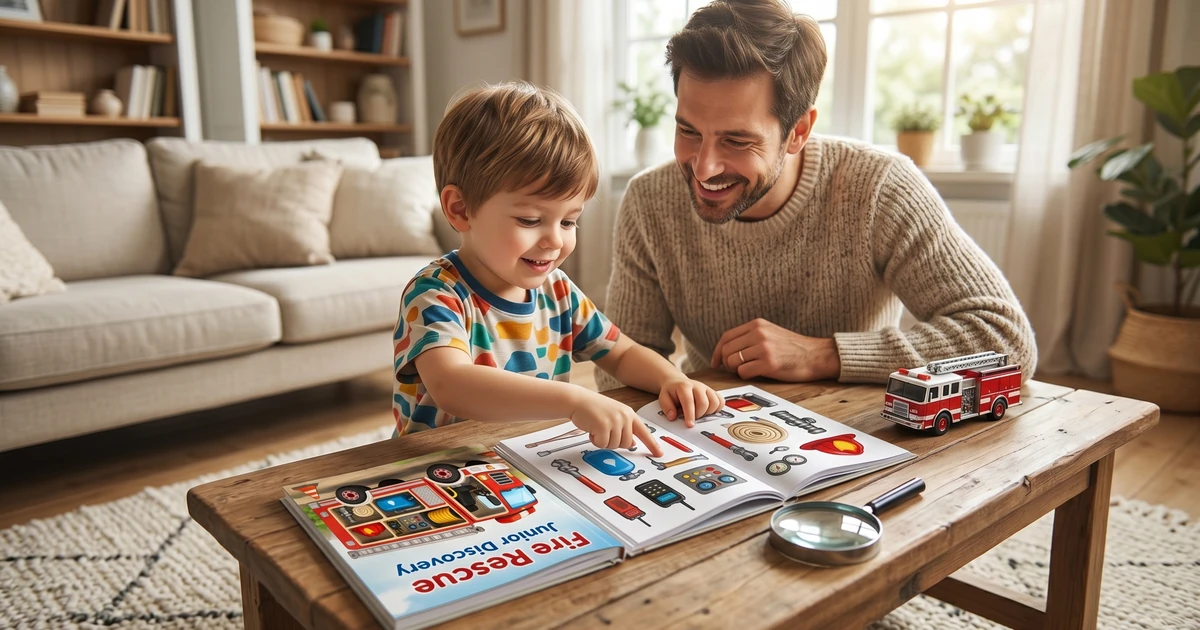
Fire Truck Activity Workbook: Ignite Your Child's Learning
If you're navigating the world of preschool activities, you've likely discovered that a fire truck activity workbook is more than just a coloring book
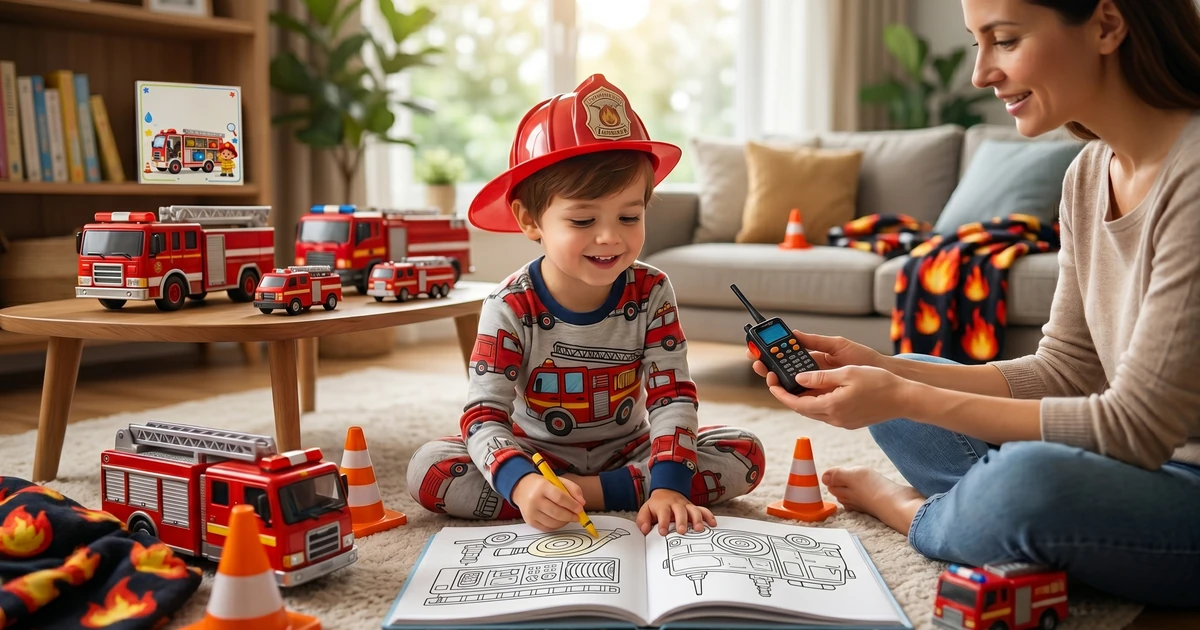
How My Kid Became Obsessed with Firetrucks
As a parent, I know how difficult it can be to pull a preschooler away from a screen and into meaningful, hands-on play. My background is in early ...
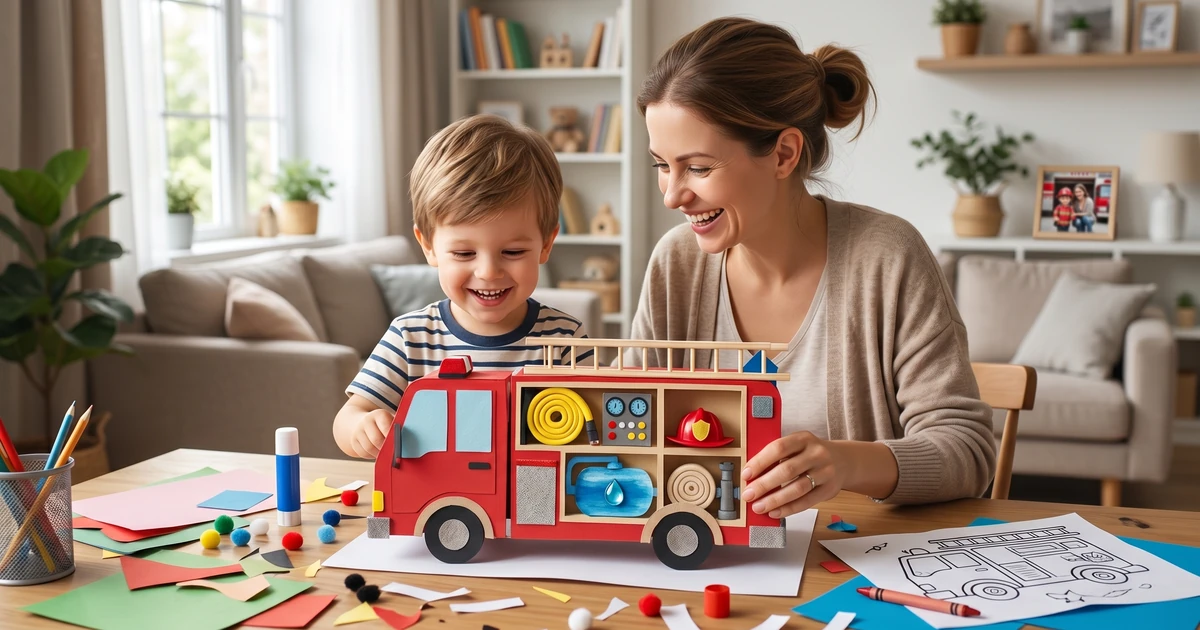
Why My Preschooler Hates Coloring Firetrucks and How I Fixed
As a preschool educator and part of the Kubby Team, I spend a lot of time researching how to translate children's passions into meaningful learning...
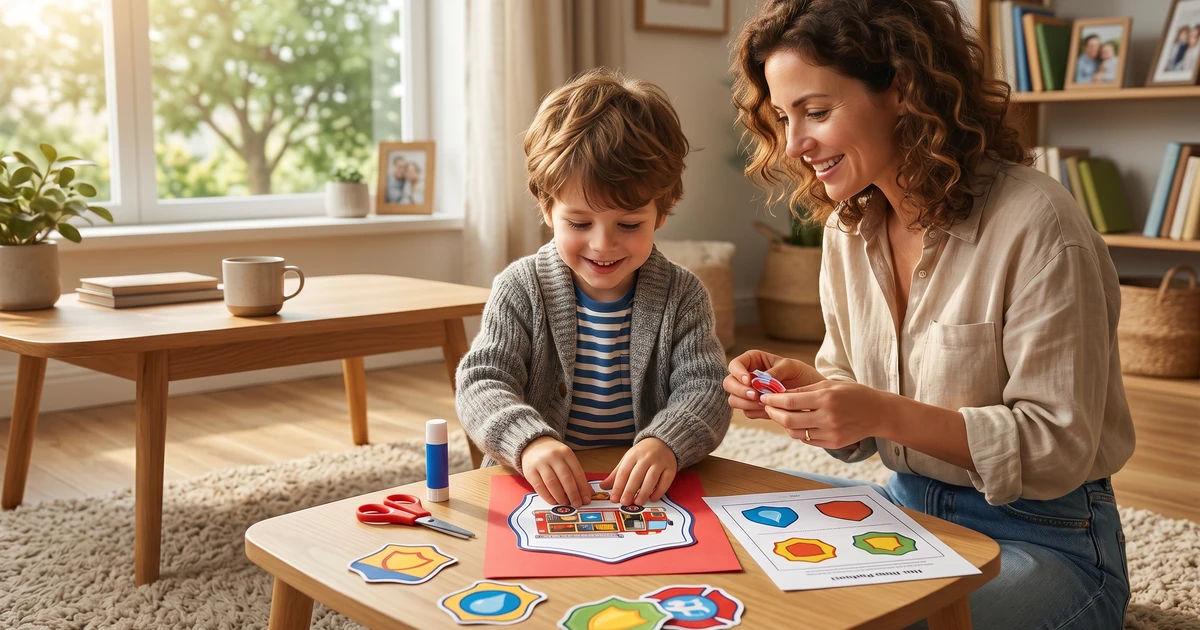
Free Printable Firetruck Badge Template for Kids
Fire trucks captivate young children with their bold colors, blaring sirens, and heroic purpose. Integrating that fascination into preschool fire t...
Screen Free Activities for 3-Year-Olds: Fire Truck Edition
In my research as part of the Kubby Team, I spent over 40 hours analyzing parent forums, child development studies, and educator reports to underst...