
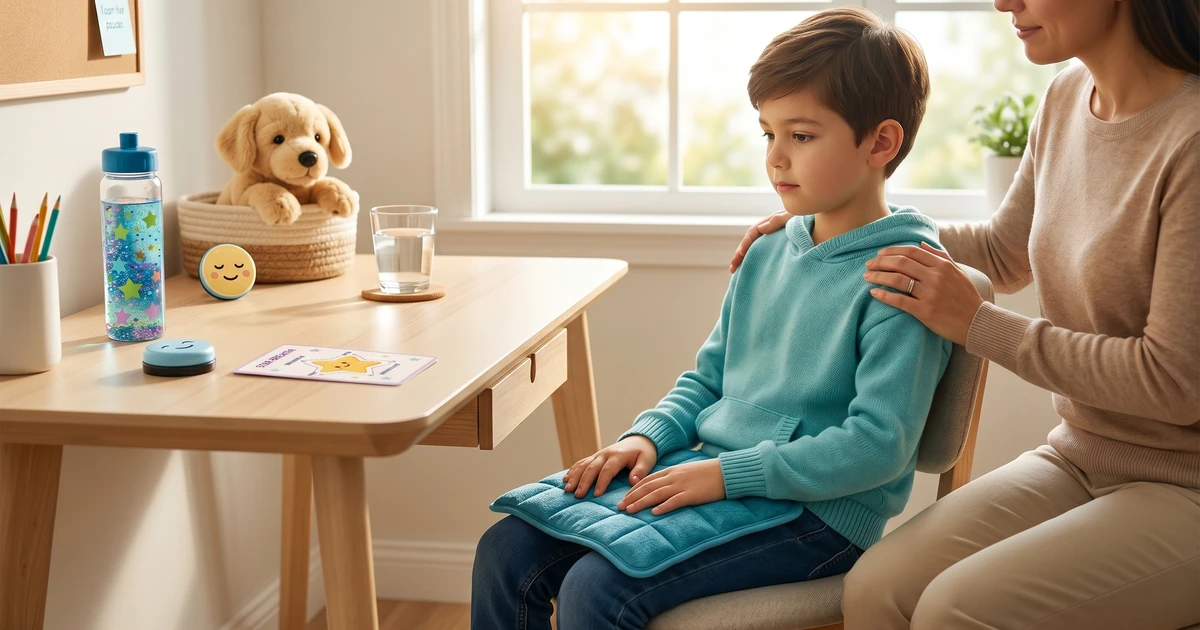
Weighted Lap Pads for School-Age Kids with ADHD
You've tried the quiet corner. You've tried the breathing exercises. You've printed out the calm-down charts and laminated them and taped them to the wall
You’ve tried the quiet corner. You’ve tried the breathing exercises. You’ve printed out the calm-down charts and laminated them and taped them to the wall. And your child is still bouncing off furniture, melting down before dinner, or shutting completely down during homework time.

weighted lap pad for kids
Recommended products related to this guide.
If that sounds familiar, you’re not doing anything wrong. Some kids genuinely need more sensory input to feel regulated, and standard calm-down strategies just don’t reach them the same way. That’s where a weighted lap pad for kids comes in, and why so many parents and teachers are talking about them right now.
I’ve spent hours researching this topic, analyzing hundreds of parent reviews, occupational therapist recommendations, and classroom case studies to understand what actually works and what doesn’t. Here’s what I found.
Key Takeaways:
- Weighted lap pads use deep pressure stimulation to help kids feel calm and grounded
- They work best as part of a broader calm-down strategy, not as a standalone fix
- Most kids benefit from 1.5 to 2 lbs of weight, though OT guidance is ideal
- They’re used by kids with ADHD, sensory processing differences, anxiety, and autism
- A weighted lap pad should never exceed 10% of the child’s body weight
- They pair well with visual calm-down tools, breathing strategies, and movement breaks
!A child sitting quietly with a weighted lap pad on their legs while reading a book
Why Some Kids Struggle to Stay Calm (Even When They Want To)
Before we get into solutions, it helps to understand what’s actually happening in a child’s body when they can’t settle.
The sensory system is responsible for processing information from the environment, including touch, movement, sound, and body position. For some kids, that system is either under-responsive (craving more input to feel regulated) or over-responsive (easily overwhelmed by ordinary stimulation). Neither is a character flaw. It’s neurology.
“Sensory processing differences affect how children respond to touch, movement, and their environment. Deep pressure input, like the kind provided by weighted products, can have a calming effect on the nervous system.” - American Occupational Therapy Association (AOTA)
When a child’s sensory system isn’t getting what it needs, you’ll often see:
-
Constant fidgeting or movement
-
Difficulty staying seated during meals, school, or homework
-
Emotional dysregulation (big reactions to small things)
-
Trouble transitioning between activities
-
Shutting down or zoning out
These aren’t behavioral problems in the traditional sense. They’re often a child’s nervous system trying to self-regulate the only way it knows how.
The takeaway: addressing the sensory need often reduces the behavior.
What a Weighted Lap Pad for Kids Actually Does
A weighted lap pad is a small, flat pad filled with evenly distributed weight (usually glass beads or poly pellets) that sits on a child’s lap while they’re seated. It applies gentle, consistent pressure to the thighs and lower body.
This pressure activates something called deep pressure stimulation (DPS), which research suggests can trigger a parasympathetic nervous system response. In simpler terms, it tells the body it’s safe to calm down.
“Deep touch pressure has been shown to increase serotonin and dopamine levels while decreasing cortisol, which may help explain its calming effects on both children and adults.” - Grandin, T. (1992), Journal of Child and Adolescent Psychopharmacology
Parents consistently report that within 10 to 15 minutes of using a lap pad, their child seems more settled, less fidgety, and more able to focus. Teachers note similar results during circle time, independent reading, or transitions.
The takeaway: lap pads aren’t magic, but the science behind why they help is legitimate.
How to Use a Weighted Lap Pad Effectively
A lap pad sitting in a drawer won’t help anyone. Here’s how to actually integrate it into your child’s day.
Step 1: Introduce It Calmly
Don’t pull it out mid-meltdown. Introduce the lap pad during a neutral, low-stress moment so your child can explore it without pressure. Let them touch it, hold it, decide they like how it feels.
Step 2: Build It Into a Routine
The most consistent results happen when the lap pad is part of a predictable routine. Try it during:
-
Homework or reading time
-
Car rides
-
Meals
-
Screen time
-
Morning or bedtime wind-down
Routine use helps the nervous system start to associate the lap pad with calm, which reinforces the effect over time.
Step 3: Pair It With Other Calm-Down Strategies
A weighted lap pad works best alongside other tools. Visual calm-down menus, breathing exercises, and movement breaks all complement the deep pressure input. Check out the Calm Down Choices Free Printable: Downloadable Visuals for Kids for free visual tools you can use alongside a lap pad.
Step 4: Watch for the Right Weight
The general guideline used by most occupational therapists is that weighted products should not exceed 10% of the child’s body weight. For a 40 lb child, that means no more than 4 lbs. Most lap pads fall between 1.5 and 3 lbs, which works for a wide age range.
Step 5: Take Breaks
Weighted products are most effective when used in sessions of 20 to 30 minutes, not all day. Continuous use can dull the sensory effect. Build in natural breaks.
Pro Tip: If your child’s school has an occupational therapist, ask them to observe your child and recommend a specific weight and usage schedule. This is usually a free service and makes a significant difference in outcomes.
The takeaway: consistency and pairing with other tools dramatically improve how well a lap pad works.
Who Benefits Most from a Weighted Lap Pad
I want to be honest here: weighted lap pads are not for every child. After analyzing reviews and OT recommendations, the kids who benefit most tend to be those with:
| Profile | Why Lap Pads Help |
|---|---|
| ADHD (inattentive or hyperactive type) | Reduces fidgeting, improves focus during seated tasks |
| Sensory Processing Disorder (SPD) | Provides the proprioceptive input their nervous system craves |
| Autism Spectrum (sensory-seeking) | Deep pressure is a well-documented calming strategy for many autistic kids |
| Anxiety | Grounding sensation can interrupt anxious thought loops |
| General sensory-seeking behavior | Helps meet the sensory need without disruptive movement |
Kids who are sensory-avoidant (who dislike being touched or hugged) may find lap pads uncomfortable. And that’s okay. There are other ways to regulate. If your child pulls it off immediately and seems distressed, a lap pad probably isn’t the right fit.
“Weighted tools should always be introduced gradually and with the child’s consent. A child who resists should never be forced to use them.” - Occupational therapy guidance via Sensory Integration Education
The takeaway: lap pads work well for sensory-seeking kids but aren’t a universal solution.
Comparing Your Options: Weighted Lap Pads vs. Other Sensory Tools
A lap pad is one tool in a larger sensory toolkit. Here’s how it compares to some alternatives:
| Tool | Best For | Portability | Cost Range | Notes |
|---|---|---|---|---|
| Weighted lap pad | Seated focus, calm-down routines | High | $25 to $60 | Discreet, easy to use at school |
| Weighted blanket | Sleep, full-body calming | Low | $40 to $150 | Too large for classroom use |
| Fidget tools | Mild restlessness, hand-focused input | Very high | $5 to $25 | Less effective for full-body regulation |
| Compression vest | Sensory-seeking, proprioceptive needs | Medium | $50 to $120 | Requires more fitting and OT guidance |
| Sensory swing | Movement-seeking kids | Very low | $80 to $200+ | Home use only, setup required |
For school-aged kids who need something discreet and portable, a weighted lap pad hits a sweet spot that most other tools don’t. It fits in a backpack, doesn’t draw attention, and can be used at a desk without disrupting the class.
The takeaway: lap pads are the most portable and school-friendly sensory regulation tool available.
What to Look for When Choosing a Weighted Lap Pad
Not all lap pads are built the same. Here’s what actually matters based on consistent feedback from parents and educators:
| Feature | What to Look For |
|---|---|
| Weight | 1.5 to 3 lbs for most kids (confirm with OT for specific needs) |
| Fill material | Glass beads for quieter, even distribution; avoid pellets that shift |
| Size | Should cover the thighs when seated without hanging off the sides |
| Washability | Removable cover or fully machine washable |
| Texture | Soft, non-scratchy fabric (especially important for sensory-sensitive kids) |
| Weight distribution | Evenly filled, no clumping |
One thing owners consistently flag in reviews: avoid pads with fill that bunches to one side. Uneven weight distribution defeats the purpose of consistent deep pressure.
The Bigger Picture: Calm-Down Strategies That Work Together
A weighted lap pad is a tool, not a cure. The kids who benefit most from it are usually also learning other self-regulation strategies at the same time.
At KubbyLab, I’ve put together a full content library around exactly this. Whether you’re a parent building a calm-down corner at home or a teacher looking for classroom strategies, these resources go deeper:
-
The Complete Guide to Calm Down Choices: Strategies for Emotional Regulation covers the full framework for teaching kids to self-regulate
-
How to Teach Calm Down Choices to Preschool Students adapts these strategies for younger children who need more concrete support
-
Calm Down Choices for Adult Anxiety: What Works Best because many of these strategies help grown-ups too
The research is clear: kids who have multiple calm-down strategies available to them, and who have practiced using them, regulate better than kids who rely on a single tool. A lap pad can be a powerful piece of that puzzle.
Frequently Asked Questions
How long should a child use a weighted lap pad at one time?
Most occupational therapists recommend sessions of 20 to 30 minutes, followed by a break. Continuous all-day use tends to reduce the sensory effect because the nervous system adapts. Building lap pad use into specific routines (homework time, reading time) works better than leaving it available constantly.
Can my child use a weighted lap pad at school?
Yes, and many kids do. Lap pads are discreet enough to use at a school desk without drawing attention. In the US, if your child has an IEP or 504 plan, a weighted lap pad can often be listed as an accommodation. It’s worth talking to your child’s teacher or school occupational therapist.
Do weighted lap pads work for kids without a diagnosis?
Absolutely. Plenty of neurotypical kids are sensory-seeking or just tend to fidget and struggle to sit still. A lap pad doesn’t require a diagnosis to be helpful. If your child likes heavy blankets, seeks out tight hugs, or loves being wrapped up, there’s a good chance they’d respond well to a lap pad.
At what age can kids start using a weighted lap pad?
Most are appropriate for children 3 and older, though weight selection matters more than age. Always check the manufacturer’s guidelines and, when possible, get input from a pediatric occupational therapist before starting with very young children.
What’s the difference between a weighted lap pad and a weighted blanket?
Size and portability, mainly. A weighted blanket covers the full body and is primarily used for sleep or deep relaxation at home. A weighted lap pad is smaller, sits on the lap only, and is designed for use during seated tasks. Lap pads are far more practical for school or travel.
Ready to go deeper on building a full calm-down routine for your child? The Complete Guide to Calm Down Choices: Strategies for Emotional Regulation walks through every strategy, tool, and approach, including how to build a calm-down menu your child will actually use.
Recommended Resources & Workbooks
Pair this guide with our hands-on, ready-to-print learning resources.
 Digital Bundle
Learn to Read Program: Levels 1-3
170 sequenced phonics lessons across 199 pages, from first letter sounds to fluent long-vowel reading.
 Digital Learning Bundle
Preschool Learning Bundle
260+ printable worksheets for tracing, ABCs, numbers, shapes, sight words, and kindergarten prep.
 Digital Learning Bundle
Play-Based Learning Bundle for Ages 3-6
230+ play-based learning activities with pretend play, reading, early math, creative arts, and bonus flashcards.
Related Guides & Articles
Explore more of our detailed guides and activities.
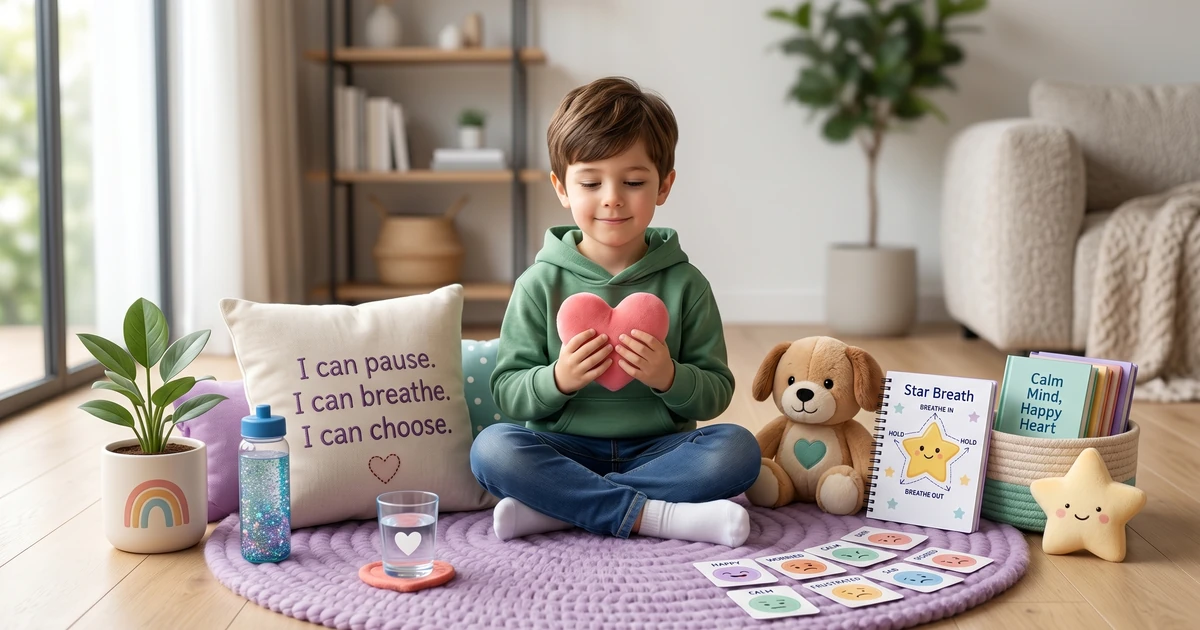
The Complete Guide to Calm Down Choices: Strategies for Kids
Every person, regardless of age, has moments when emotions feel too big to manage. Big feelings, meltdowns, anxiety spirals, and emotional overwhel...
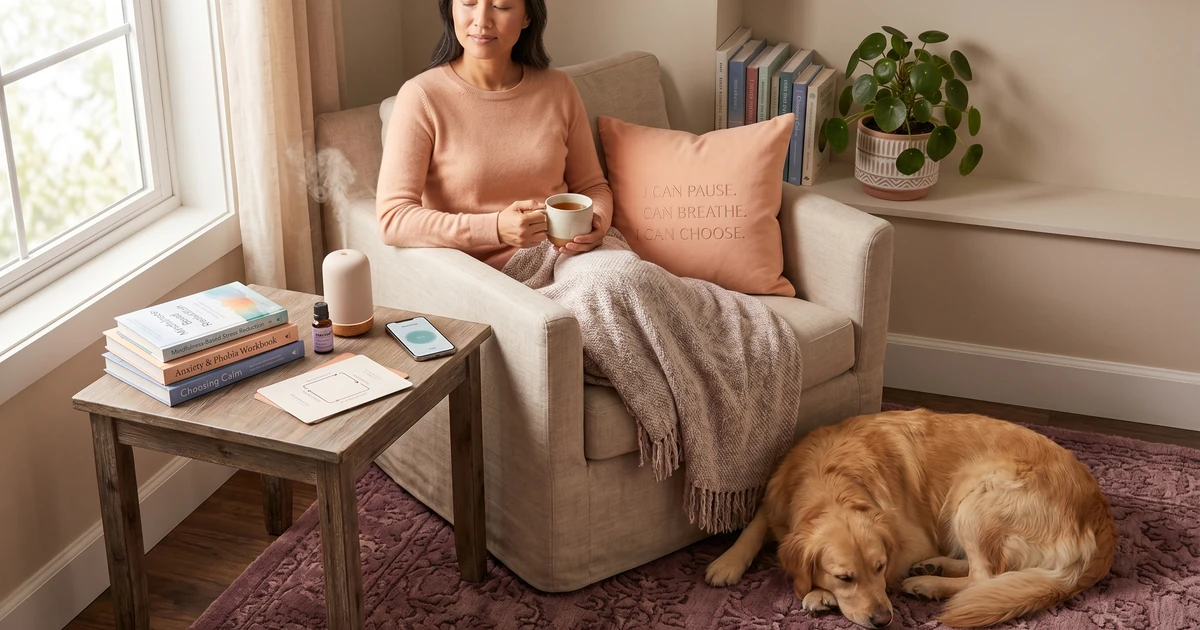
Calm Down Choices for Adult Anxiety: What Works Best
Adults don't always get the same structured emotional support that children receive in schools and therapy programs. Yet the need for calm down cho...
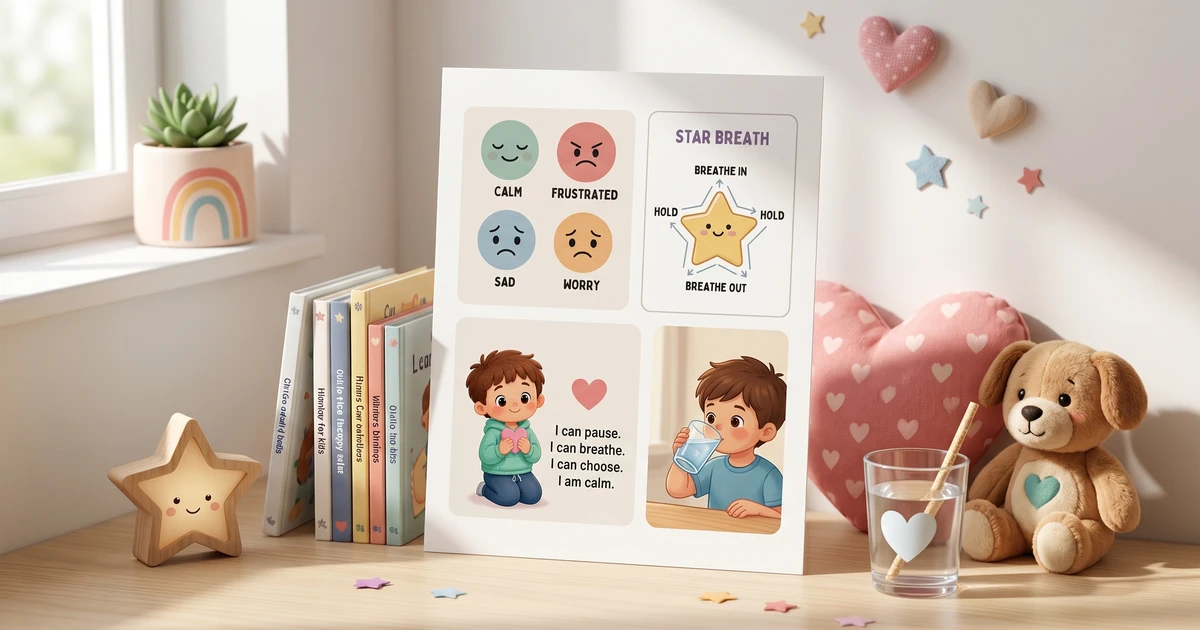
Calm Down Choices Free Printable: Downloadable Visuals for Kids
Finding a calm down choices free printable that actually works in the real world, whether you're a teacher with 25 kids in a classroom or a parent ...
How to Teach Calm Down Choices to Preschool Students
Preschoolers are emotional volcanoes. One moment they're happily building a block tower, and the next they're on the floor, inconsolable because th...