
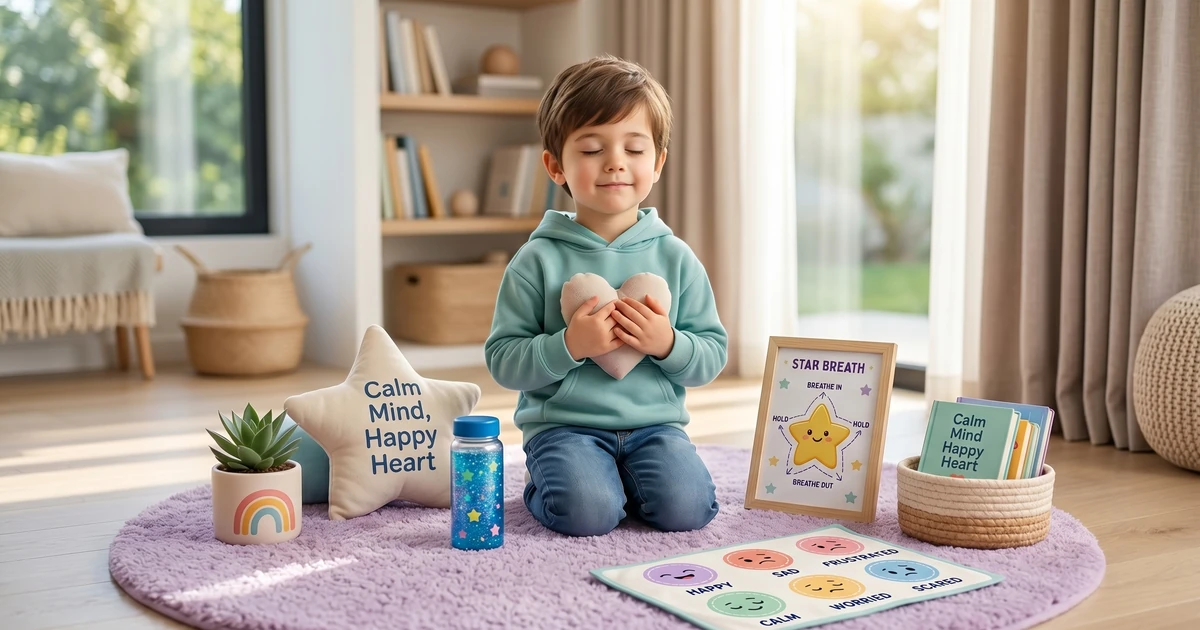
Sensory Calm Down Corner Supplies for Autistic Children
You've tried everything. The warnings, the countdowns, the gentle redirection. And then, out of nowhere, it all unravels anyway. Your child is on the floor
You’ve tried everything. The warnings, the countdowns, the gentle redirection. And then, out of nowhere, it all unravels anyway. Your child is on the floor, overwhelmed, and nothing you say is reaching them right now.

sensory calm down corner autism
Recommended products related to this guide.
If you’re raising a child with autism, that scene probably feels painfully familiar. And the exhaustion that follows, both yours and theirs, is real.
A sensory calm down corner for autism isn’t a magic fix. But for thousands of families, it’s become the one thing that actually works when everything else stops working. Not because it’s a trick or a hack, but because it gives an overwhelmed child’s nervous system exactly what it needs: a predictable, low-stimulation space where they can safely return to baseline.
I’ve spent a significant amount of time researching this topic, analyzing parent reviews, therapist recommendations, and occupational therapy resources to understand what makes these spaces work and what common mistakes families make when setting one up.
Here’s what I found.
Key Takeaways:
- A sensory calm down corner works by reducing environmental input when a child’s nervous system is overwhelmed
- Location, lighting, and predictability matter more than how much you spend on supplies
- The corner should be introduced during calm moments, not introduced mid-meltdown
- Visual supports dramatically increase how independently a child can use the space
- Most effective calm down corners combine at least two sensory input types (proprioceptive + tactile, for example)
- The space is a co-regulation tool first, a self-regulation tool second
!A cozy sensory calm down corner with soft lighting, cushions, and visual calm down choices posted on the wall
What a Sensory Calm Down Corner for Autism Actually Is
A sensory calm down corner is a designated, physically defined space where a child can go when they’re experiencing sensory overload, emotional dysregulation, or anxiety. It’s not a timeout spot. It’s not a punishment corner. That distinction matters enormously, both for how you set it up and how your child responds to it.
For autistic children specifically, the nervous system often processes sensory input differently. Sounds, lights, textures, and social demands that seem unremarkable to neurotypical people can accumulate across a day until the system simply can’t take any more. The result is what many people call a meltdown, though a more accurate way to think about it is a neurological overflow response.
“Children with autism often need external environmental supports to help regulate their nervous system because their internal self-regulation systems are still developing or function differently.” - Occupational Therapy Practice Framework, American Occupational Therapy Association
The calm corner reduces incoming stimulation while providing controlled, predictable sensory input that actually helps the nervous system reset. Think of it as turning down the volume on the world while offering the brain something steady to hold onto.
A well-designed sensory calm corner serves the nervous system, not just the behavior.
The 4 Elements That Make or Break a Calm Down Corner
After analyzing dozens of parent accounts and therapist guidelines, I can tell you that the families who see real results consistently get four things right. The families who don’t usually miss at least two of them.
1. The Physical Boundary
The space needs to feel separate from the rest of the room. This doesn’t require a dedicated room or expensive furniture. A canopy over a beanbag, a pop-up tent, a bookshelf arranged as a divider, or even a large cardboard box decorated together with your child can create that sense of enclosure.
Why does this work? For many autistic children, defined edges reduce visual noise and create a sense of safety. The boundary signals: this space is different, calmer, and predictable.
2. Lighting Control
Fluorescent overhead lighting is one of the most common sensory triggers in homes and schools. Inside the calm corner, you want warm, dim, controllable light. LED string lights, a small Himalayan salt lamp, a fiber optic light strand, or even a simple clip-on reading light in a warm color tone all work well.
Pro Tip: Battery-operated string lights are safer for young children and easier to install without drilling. Warm white (2700K) or amber tones are significantly more calming than cool white or daylight spectrum bulbs.
3. Sensory Tools That Match Your Child’s Profile
This is where generic advice falls apart. What works for one autistic child can actively irritate another. I’d strongly recommend thinking in terms of your child’s sensory profile across four categories:
| Sensory Input Type | Example Tools | Best For |
|---|---|---|
| Proprioceptive (deep pressure) | Weighted blanket, compression vest, squeeze pillow | Children who seek heavy input, fidgeters |
| Tactile (touch and texture) | Sensory bin, textured fidgets, soft fabrics | Tactile seekers; also helps proprioceptive kids |
| Visual (calming visual input) | Lava lamp, calm-down jar (glitter bottle), fiber optic strands | Children overwhelmed by busy visual environments |
| Auditory (sound regulation) | Noise-canceling headphones, white noise machine, soft music | Auditory sensitive children |
You don’t need all of these. Starting with one or two items that match your child’s known preferences is far more effective than filling the space with everything at once.
4. Visual Calm Down Choices
This one gets overlooked constantly, and it’s arguably the most important element for building actual self-regulation skills over time.
When a child is in sensory or emotional overload, language processing often becomes impaired. Asking “What do you need?” or “How are you feeling?” may get no response, not because your child is being difficult, but because their brain literally can’t process the question right now.
Posted visual choices, simple images showing what the child can do in the corner (squeeze this, look at this, breathe like this), give them a way to navigate without needing to process verbal instructions.
You can find free printable calm down choices visuals through our Calm Down Choices Free Printable: Downloadable Visuals for Kids resource, which includes options specifically designed for visual learners.
Getting these four elements right is more important than how much you spend.
How to Introduce the Corner So Your Child Will Actually Use It
The single most common mistake I see parents describe in reviews and forums is introducing the calm corner for the first time during a meltdown. That rarely works, and sometimes makes the space feel punitive.
Here’s the sequence that occupational therapists consistently recommend and that parents report actually working:
Step 1: Build It Together
Involve your child in setting up the space during a calm, regulated moment. Let them choose the items, the colors, the arrangement. Ownership increases buy-in significantly.
Step 2: Explore It as a Fun Space First
Spend time in the corner together with no agenda. Read a book there, play a simple quiet game, make it a cozy place they already have positive feelings about before it’s ever used for regulation.
Step 3: Name It Clearly
Give the space a name your child chooses or that fits your family’s language. “The cozy corner,” “the calm spot,” “the reset cave.” Consistent language helps signal its purpose over time.
Step 4: Practice the Routine During Calm Times
Walk through what using the space looks like, including which tools to pick up and how to use them, when your child is already calm. Regulated practice builds the neural pathway that gets accessed during dysregulation.
Step 5: Offer It Proactively, Not Reactively
Start noticing the earlier signs before a full meltdown. Offering the corner when you see those early signs, rather than waiting until the overflow is full, dramatically increases how often your child can actually use it successfully.
“The goal is to help children access coping strategies before they reach the point of shutdown or explosive behavior. Early intervention in the dysregulation cycle produces the best outcomes.” - According to the Autism Speaks resource library on behavioral support strategies
Introduce the space during calm, not crisis, and everything else becomes easier.
What to Put in a Calm Down Corner: A Simple Cost Breakdown
You don’t need to spend hundreds of dollars. The most effective setups I’ve researched were often put together for under $50 using a combination of household items and a few targeted purchases.
| Item | Estimated Cost | Notes |
|---|---|---|
| Pop-up tent or canopy | $15 to $40 | Highly rated by autism parents for creating enclosure |
| LED string lights (warm) | $8 to $15 | Battery-operated preferred for safety |
| Weighted lap pad (instead of full blanket) | $20 to $35 | More versatile for corner use than a full blanket |
| Calm-down glitter jar (DIY) | $3 to $8 | Easy to make at home, highly effective for visual regulation |
| Noise-canceling earmuffs (child-sized) | $15 to $30 | Not headphones; simpler and easier for kids to manage |
| Visual calm down choices printable | Free to $5 | Laminate them for durability |
| Fidget tools (2 to 3 items) | $10 to $25 total | Start with what your child already reaches for |
Total estimated setup cost: $70 to $150, or less if you use household items creatively.
Calm Down Corner vs. Other Regulation Strategies: What’s the Difference?
A calm corner is one tool in a larger toolkit. It works best alongside other regulation strategies, not instead of them.
| Strategy | What It Is | Best Used When |
|---|---|---|
| Sensory calm corner | Designated physical space with sensory tools | Child needs environmental support to regulate |
| Calm down choices system | Visual menu of regulation strategies | Building self-regulation language and independence |
| Co-regulation with caregiver | Adult regulates alongside the child | Child is too dysregulated to self-direct |
| Scheduled sensory breaks | Proactive sensory input before overload | Prevention rather than response |
| Movement breaks | Physical activity to discharge arousal | Children who dysregulate through movement |
For a complete breakdown of how these strategies work together, the Complete Guide to Calm Down Choices: Strategies for Emotional Regulation covers each of these in depth, including how to combine them for different age groups and needs.
FAQ: Sensory Calm Down Corners for Autism
Q: My child won’t go to the calm corner when they’re melting down. Does that mean it isn’t working?
This is one of the most common concerns I hear. During a full meltdown, many autistic children are genuinely unable to redirect themselves anywhere, including a calm corner. The corner becomes more useful as your child practices it during lower-stress moments and as you learn to offer it earlier in the dysregulation cycle. If your child is already in full overflow, your job is to reduce demands and wait alongside them, not guide them to the space.
Q: How is a calm corner different from a timeout?
The intent and the child’s experience are completely different. A timeout removes the child and typically involves isolation and an absence of support. A calm corner is opt-in (or gently guided), positive, and packed with tools. Timeouts tend to escalate shame and anxiety in autistic children. Calm corners reduce arousal. The physical setup can look similar from the outside, which is why how you frame it and how you use it matters enormously.
Q: My child is 9. Is it too late to introduce a calm corner?
Not at all. Calm corners work across a wide age range. For older children, the language around it changes slightly, and they tend to appreciate having more control over which tools are in the space. The same principles apply. Some families even find older children engage with it more readily because they can better understand and articulate what helps them.
Q: Should the calm corner be in the bedroom or a common area?
Both can work. Bedrooms offer more privacy, which some children strongly prefer. Common areas mean the child doesn’t have to leave the family environment entirely, which works better for children who feel abandoned by separation. If possible, ask your child what they prefer, and observe where they naturally retreat when overwhelmed.
Q: How do I get my child’s school to set up something similar?
This is absolutely something that can be included in an IEP (Individualized Education Program) or discussed with an occupational therapist as part of a sensory diet plan. Many schools already have sensory spaces or are open to creating designated calm areas. The language to use with schools is “sensory regulation support” and “environmental accommodation,” both of which fall within typical autism support frameworks.
Ready to Go Deeper?
A sensory calm down corner for autism is one piece of a broader emotional regulation picture. The visual tools you post inside that corner, the language you use around calm down choices, and the strategies you teach during calm moments all work together.
For the full picture, including specific calm down choice systems, how to teach them at different developmental stages, and what the research says about which strategies produce lasting results, read the Complete Guide to Calm Down Choices: Strategies for Emotional Regulation.
If you work with younger children or want school-based strategies, How to Teach Calm Down Choices to Preschool Students has specific guidance for that age group.
And if you’re a parent managing your own anxiety alongside your child’s, Calm Down Choices for Adult Anxiety: What Works Best might be worth a read too. You can’t pour from an empty cup, and your regulation matters just as much as theirs.
Recommended Resources & Workbooks
Pair this guide with our hands-on, ready-to-print learning resources.
 Digital Bundle
Learn to Read Program: Levels 1-3
170 sequenced phonics lessons across 199 pages, from first letter sounds to fluent long-vowel reading.
 Digital Learning Bundle
Preschool Learning Bundle
260+ printable worksheets for tracing, ABCs, numbers, shapes, sight words, and kindergarten prep.
 Digital Learning Bundle
Play-Based Learning Bundle for Ages 3-6
230+ play-based learning activities with pretend play, reading, early math, creative arts, and bonus flashcards.
Related Guides & Articles
Explore more of our detailed guides and activities.
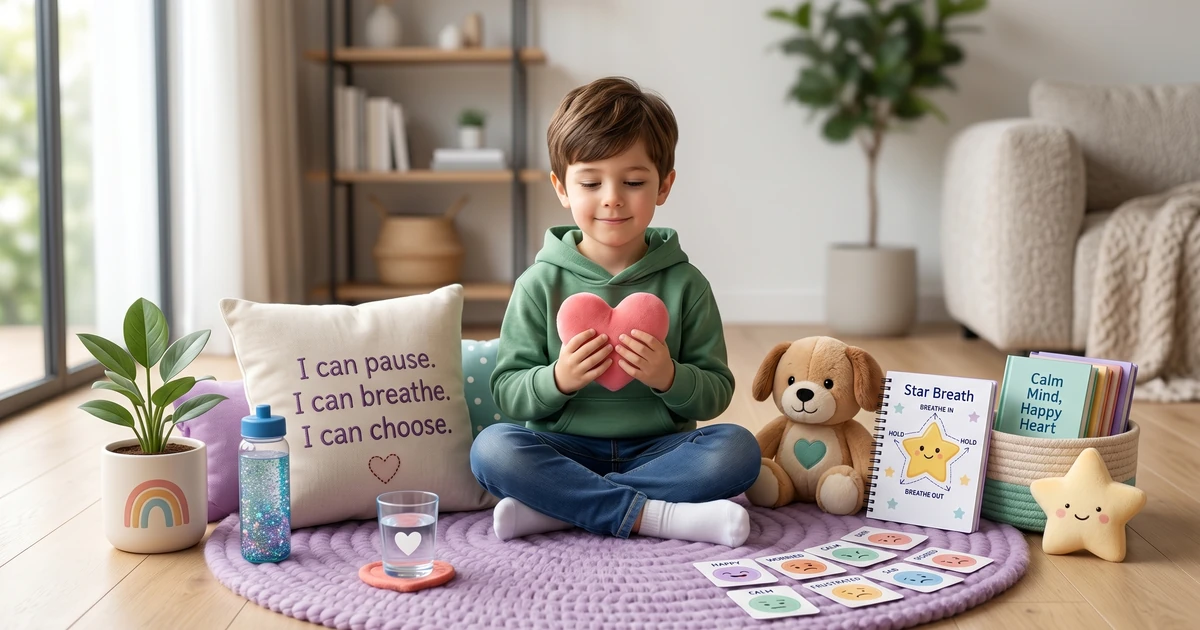
The Complete Guide to Calm Down Choices: Strategies for Kids
Every person, regardless of age, has moments when emotions feel too big to manage. Big feelings, meltdowns, anxiety spirals, and emotional overwhel...
Calm Down Choices for Adult Anxiety: What Works Best
Adults don't always get the same structured emotional support that children receive in schools and therapy programs. Yet the need for calm down cho...
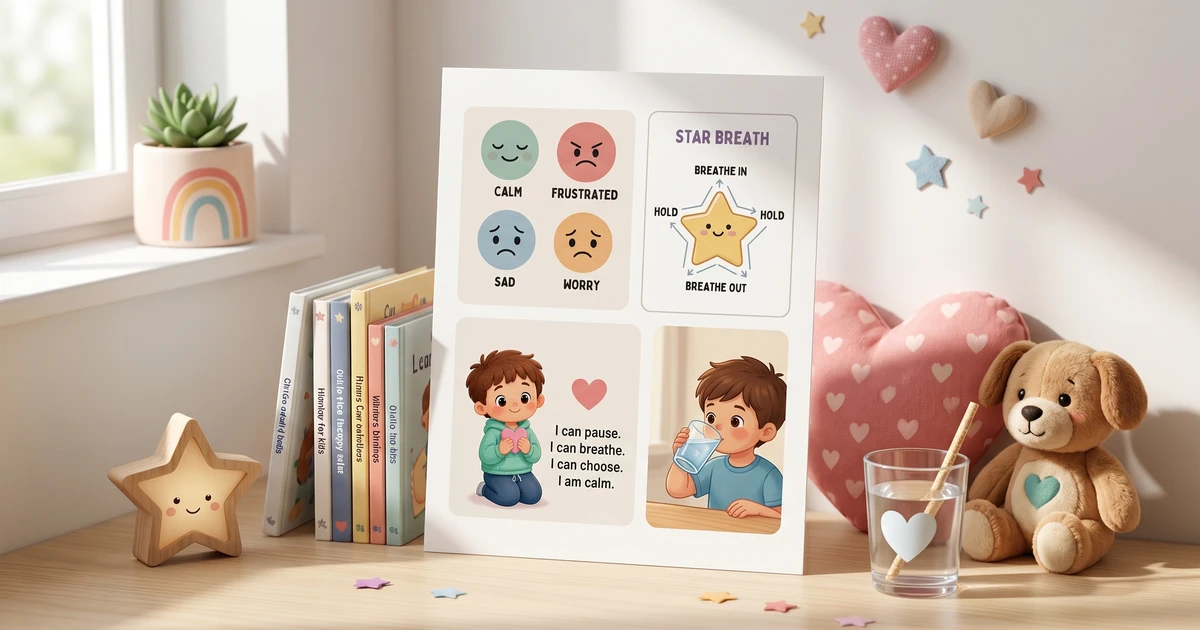
Calm Down Choices Free Printable: Downloadable Visuals for Kids
Finding a calm down choices free printable that actually works in the real world, whether you're a teacher with 25 kids in a classroom or a parent ...
How to Teach Calm Down Choices to Preschool Students
Preschoolers are emotional volcanoes. One moment they're happily building a block tower, and the next they're on the floor, inconsolable because th...