
Portable Calm Down Kit for Traveling Families
You planned everything. You packed snacks, you downloaded the shows, you even got the good seat with extra legroom. Then, somewhere over Ohio, your four-ye
You planned everything. You packed snacks, you downloaded the shows, you even got the good seat with extra legroom. Then, somewhere over Ohio, your four-year-old starts melting down because the pretzel broke in half.

travel calm down kit for kids
Recommended products related to this guide.
Every parent who travels with young kids knows this moment. The stares. The heat rising in your face. The desperate rummaging through a carry-on bag hoping to find something, anything, that will help your child regulate before the whole cabin turns against you.
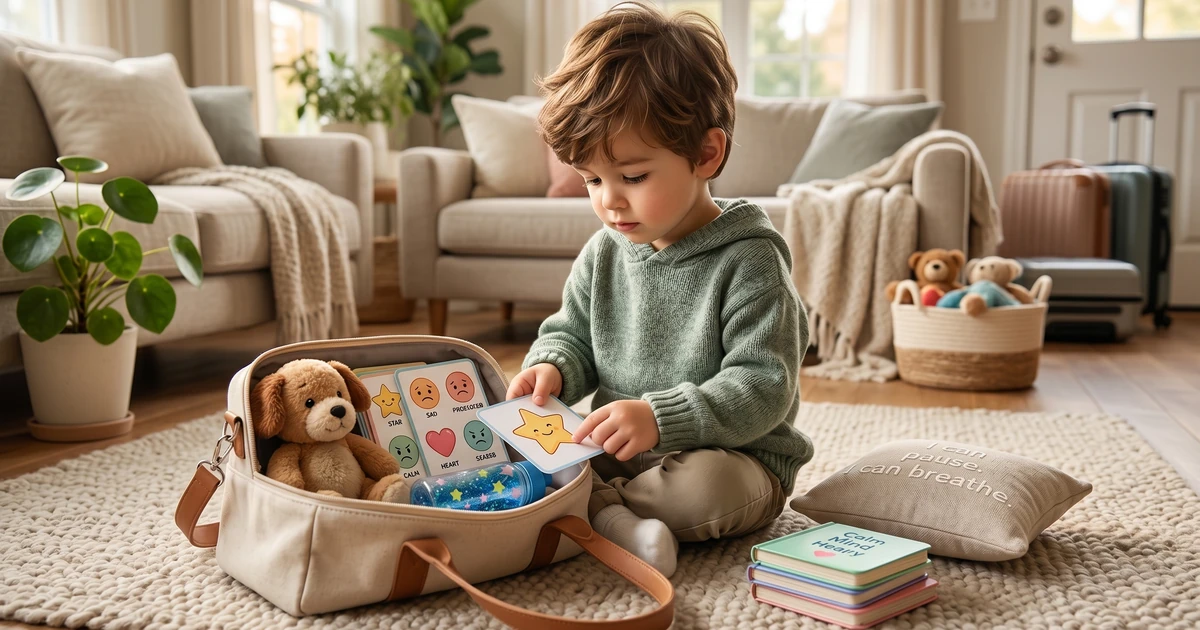
A travel calm down kit for kids is exactly what it sounds like: a small, portable collection of tools designed to help children self-regulate their emotions when they’re overwhelmed, overstimulated, or just plain exhausted. It’s not a distraction kit. It’s not a bribe bag. Done right, it’s a genuine emotional support system that travels with your child.
I’ve spent a significant amount of time researching this topic, analyzing hundreds of parent reviews, consulting child development resources, and looking at what actually works in real travel scenarios versus what sounds good in theory. Here’s what I found.
Key Takeaways:
- A travel calm down kit targets emotional regulation, not just distraction
- The best kits combine sensory tools, visual supports, and comfort items
- Smaller is better for travel; most kits fit in a pencil case or small pouch
- Kids regulate better when they’ve practiced the tools at home first
- Age matters: toddler kits look very different from kits for school-age kids
!A small zippered pouch with calm-down tools for kids laid out on an airplane tray table
Why Meltdowns Happen More During Travel
Before building a kit, it helps to understand the actual problem. Travel stacks multiple stress triggers on top of each other simultaneously: disrupted sleep, unusual food, unfamiliar environments, sensory overload from airports and planes, and a total loss of their normal routine.
For young children, whose nervous systems are still developing, this combination can make self-regulation genuinely hard. It’s not manipulation and it’s not bad parenting. It’s biology.
“Children’s brains aren’t fully equipped to manage overwhelming emotions until their prefrontal cortex matures, a process that continues into their mid-twenties. External tools and co-regulation from caregivers are essential supports, not crutches.”
: Zero to Three, National Center for Infants, Toddlers, and Families
The takeaway here is that your child isn’t choosing to melt down. They’re overwhelmed and they need help accessing calming strategies they may not yet be able to access independently. A well-stocked kit gives them a bridge to those strategies.
The meltdown isn’t the problem. The lack of tools is.
What a Travel Calm Down Kit Should Actually Contain
Most “travel kits” I’ve seen are really just activity bags with stickers and a coloring book. Those are lovely, but they’re not calm-down tools. There’s a meaningful difference.
A genuine calm down kit for travel includes items across a few key categories:
Sensory Regulation Tools
These address the body first, because kids often can’t access cognitive strategies when they’re dysregulated.
-
Fidget tools: A small silicone pop-it, a smooth worry stone, or a tangle toy
-
Chewable jewelry: Especially useful for kids who are oral sensory seekers (look for food-grade silicone options)
-
Noise-reducing earmuffs or foam earplugs: Airports are genuinely loud; many kids find this instantly calming
-
A small scented item: A dab of lavender on a cotton ball in a zip bag, or a child-safe roller
Visual Supports
Visual supports help kids identify what they’re feeling and choose a strategy, even when they’re too upset to think clearly.
-
A laminated feelings chart: Small enough to fit in a wallet slot, these help kids name emotions
-
A calm-down choice card: A simple visual menu of 4-6 strategies (“squeeze a pillow,” “take deep breaths,” “count to 10”)
-
A visual schedule for the journey: Knowing what’s coming next is enormously reassuring for anxious kids
You can download free printable versions of calm-down choice cards at Calm Down Choices Free Printable: Downloadable Visuals for Kids to print and laminate before your trip.
Comfort and Transition Objects
-
A small stuffed animal or familiar item from home
-
A family photo (laminated or in a small frame)
-
Their favorite chapstick or hand lotion (sensory + familiarity combined)
Breathing Tools
-
A pinwheel (very small ones exist and work brilliantly for slow breath-out practice)
-
A bubble wand (blowing bubbles naturally slows breathing)
-
A printed “breathing flower” card (smell the flower, blow out the candle)
How to Build the Kit by Age
This is where a lot of parents go wrong. A kit for a two-year-old and a kit for a seven-year-old are nearly identical in concept but very different in execution.
| Age Group | Best Tool Types | What to Avoid |
|---|---|---|
| 2-3 years (toddlers) | Comfort object, chewy, simple fidget, parent-led breathing | Complex visuals, too many choices |
| 4-5 years (preschool) | Feelings chart, simple choice card (3-4 options), sensory tool | Anything requiring reading |
| 6-8 years (early school age) | Full calm-down menu, breathing cards, worry journal | Items that feel “babyish” to them |
| 9-12 years (tweens) | Fidgets, earbuds/music, journal, breathing app | Over-explaining the kit to them |
For preschool-age children specifically, I’d recommend reading How to Teach Calm Down Choices to Preschool Students before your trip. It covers how to introduce these tools in a way that actually sticks.
Pro Tip: Let your child help choose 2-3 items for their own kit before the trip. Ownership dramatically increases the chance they’ll actually use the tools when they’re dysregulated.
The One Thing Most Parents Skip (And Shouldn’t)
Practice at home first.
This is the single biggest reason travel calm-down kits fail. Parents assemble a beautiful kit, pack it in the carry-on, and then pull it out mid-meltdown on the jetway expecting it to work like a magic wand. It won’t.
According to the American Psychological Association, children need repeated practice with coping strategies in low-stress environments before they can access those same strategies when they’re overwhelmed.
Here’s a simple pre-trip protocol:
Step 1: Introduce the Kit at Home (1-2 Weeks Before)
Show your child each item. Name it. Explain what it’s for. “This is your squeeze ball. When you feel really big feelings, you can squeeze this really hard and it helps your body calm down.”
Step 2: Practice Each Tool During Calm Moments
Don’t wait for a meltdown. Do the breathing exercise together after dinner. Let them fidget during story time. Make the tools familiar and even fun.
Step 3: Role-Play the Travel Scenario
“Pretend we’re on the airplane and you’re feeling really frustrated because your show stopped working. What can you grab from your kit?” Walk through it together.
Step 4: Let Them Pack It Themselves
The morning of travel, have your child put the items in the pouch themselves. This reinforces ownership and makes them more likely to remember the tools exist when they need them.
Step 5: Reference It Proactively During the Trip
Don’t wait for dysregulation. On the way to the airport: “Do you have your kit? Which tool do you think you might want first?” Keep it normalized, not emergency-only.
Practiced tools work. Unpracticed tools sit at the bottom of the bag.
What to Look For When Choosing Tools
Not every product marketed as a “calm-down tool” actually functions as one. Here’s a quick criteria table I use when evaluating options:
| Criteria | What to Look For | Red Flag |
|---|---|---|
| Safety | Non-toxic materials, no small parts for under 3s | Vague “safe materials” claims |
| Size | Fits in a pencil case or small pouch | Anything larger than a paperback book |
| Durability | Silicone, laminated card, or solid plastic | Paper items that won’t survive a flight |
| Function | Targets the nervous system (sensory, breath, movement) | Pure distraction with no regulation component |
| Age-appropriateness | Designed for your child’s specific developmental stage | One-size-fits-all claims |
| Noise | Silent or very quiet | Anything that beeps or makes noise in a quiet cabin |
One option worth mentioning: KubbyLab’s calm-down kit collections are designed specifically with these criteria in mind, with age-appropriate visual tools and sensory supports that pack flat and travel well. It’s one option among many, and what matters most is that your kit works for your child.
Cost Breakdown: What a DIY Kit vs. Ready-Made Kit Costs
| Option | Estimated Cost | Best For |
|---|---|---|
| DIY Kit (self-assembled) | $10-$25 | Parents who want full customization |
| Printable visual cards (add-on) | $3-$8 | Budget-friendly visual support |
| Pre-assembled calm-down kit | $20-$45 | Time-pressed parents, gift option |
| Sensory tool set only | $8-$15 | Parents who already have visual supports |
You don’t need to spend a lot. A $3 laminated feelings chart, a $5 silicone fidget, a pinwheel, and a small comfort object is a complete and functional kit.
Frequently Asked Questions
At what age can kids start using a calm-down kit? Children as young as 18 months can benefit from simple sensory tools and comfort objects as part of a travel kit. Full calm-down choice menus (with visual options) become useful around age 3-4, when children begin to understand and select strategies with guidance. The key at younger ages is that a caregiver co-regulates alongside the child rather than expecting independent use.
What if my child refuses to use the kit during a meltdown? This is normal, especially if the tools are new. During a full meltdown, most children can’t access problem-solving at all. The kit is most useful in the early signs of dysregulation, not at peak distress. Over time, with practice, kids learn to reach for the kit earlier. Your calm presence is always the most powerful tool regardless.
Can the items in a calm-down kit go through airport security? Yes, with a few notes. Liquid items (like scented lotions) must follow the standard 3-1-1 rule. Pinwheels and bubble wands are fine. Fidget tools and sensory items pass without issue. I’d recommend a clear zip pouch so security can see the contents quickly without unpacking everything.
My child has sensory processing differences. Does this change the kit? Significantly, yes. Children with sensory sensitivities may need tools specifically recommended by their occupational therapist. What calms one child (like a vibrating pillow toy) may increase dysregulation in another. If your child receives OT services, asking your therapist to help build the kit is absolutely worth it.
Should I tell my child the kit is a “calm-down kit”?
Naming it matters less than the child feeling ownership over it. Some kids love having a named “calm-down kit.” Others respond better to “your special travel bag.” Follow your child’s lead, and let them name it themselves if they want to.
The Bottom Line
A travel calm-down kit for kids isn’t a guarantee of peaceful travel. Meltdowns will still happen. But having the right tools, practiced before the trip, and accessible during it, gives your child a real fighting chance at working through big feelings instead of drowning in them. And it gives you something concrete to reach for instead of just hoping for the best.
For a deeper look at calm-down strategies that work beyond the airport, the full resource on emotional regulation tools is the best next step.
Read the Complete Guide to Calm Down Choices: Strategies for Emotional Regulation
Recommended Resources & Workbooks
Pair this guide with our hands-on, ready-to-print learning resources.
 Digital Bundle
Learn to Read Program: Levels 1-3
170 sequenced phonics lessons across 199 pages, from first letter sounds to fluent long-vowel reading.
 Digital Learning Bundle
Preschool Learning Bundle
260+ printable worksheets for tracing, ABCs, numbers, shapes, sight words, and kindergarten prep.
 Digital Learning Bundle
Play-Based Learning Bundle for Ages 3-6
230+ play-based learning activities with pretend play, reading, early math, creative arts, and bonus flashcards.
Related Guides & Articles
Explore more of our detailed guides and activities.
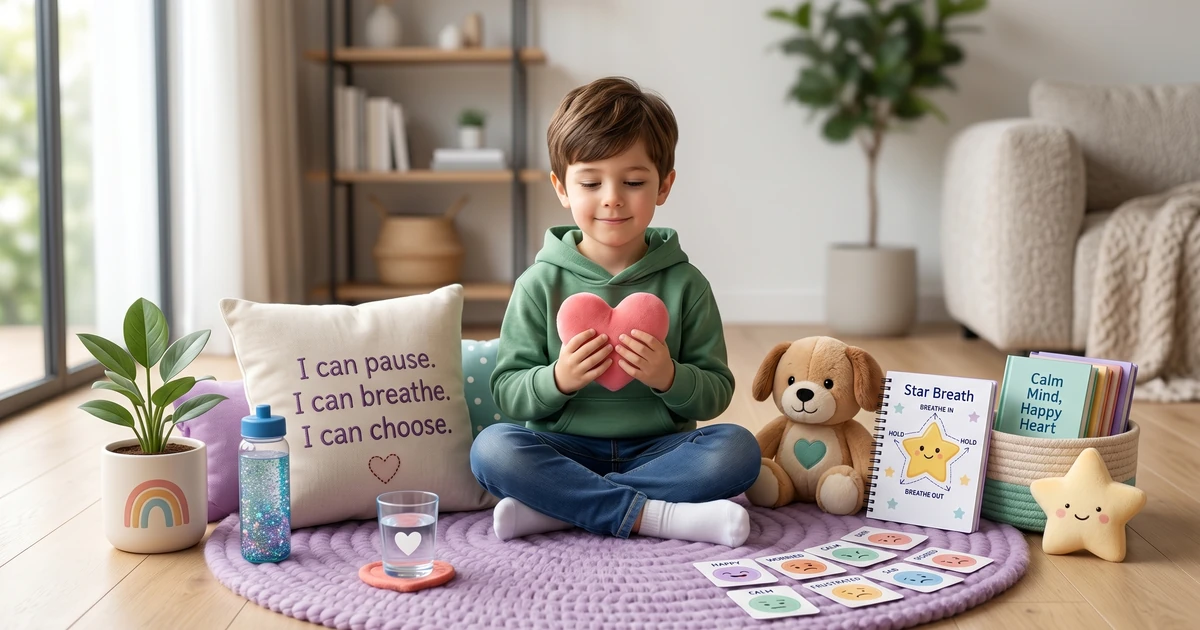
The Complete Guide to Calm Down Choices: Strategies for Kids
Every person, regardless of age, has moments when emotions feel too big to manage. Big feelings, meltdowns, anxiety spirals, and emotional overwhel...
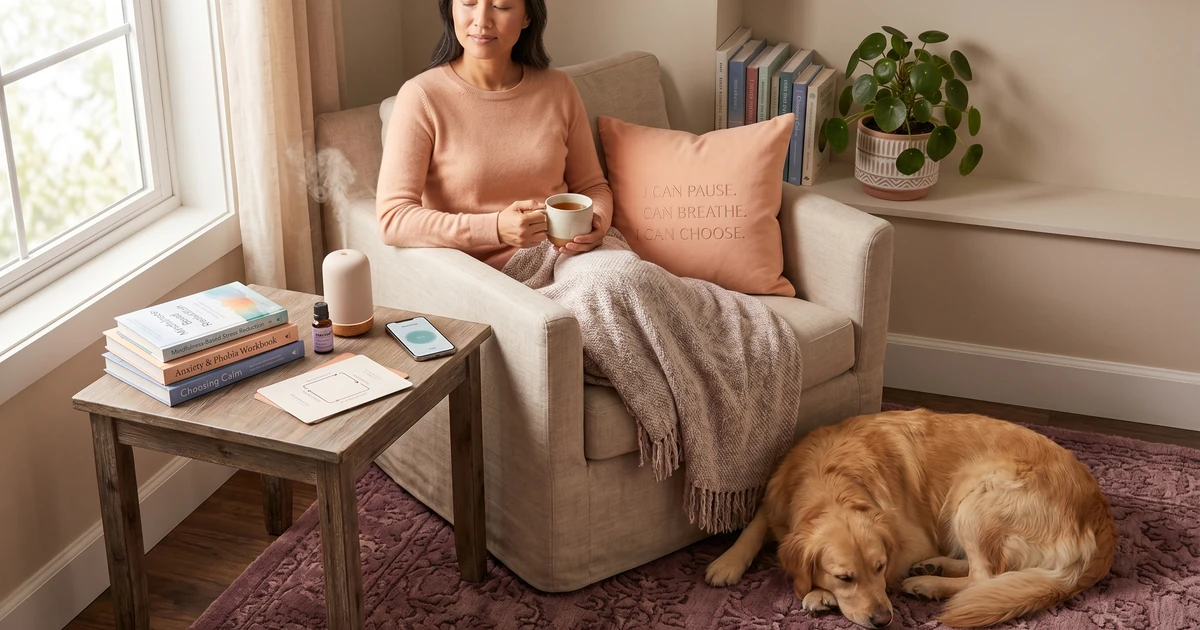
Calm Down Choices for Adult Anxiety: What Works Best
Adults don't always get the same structured emotional support that children receive in schools and therapy programs. Yet the need for calm down cho...
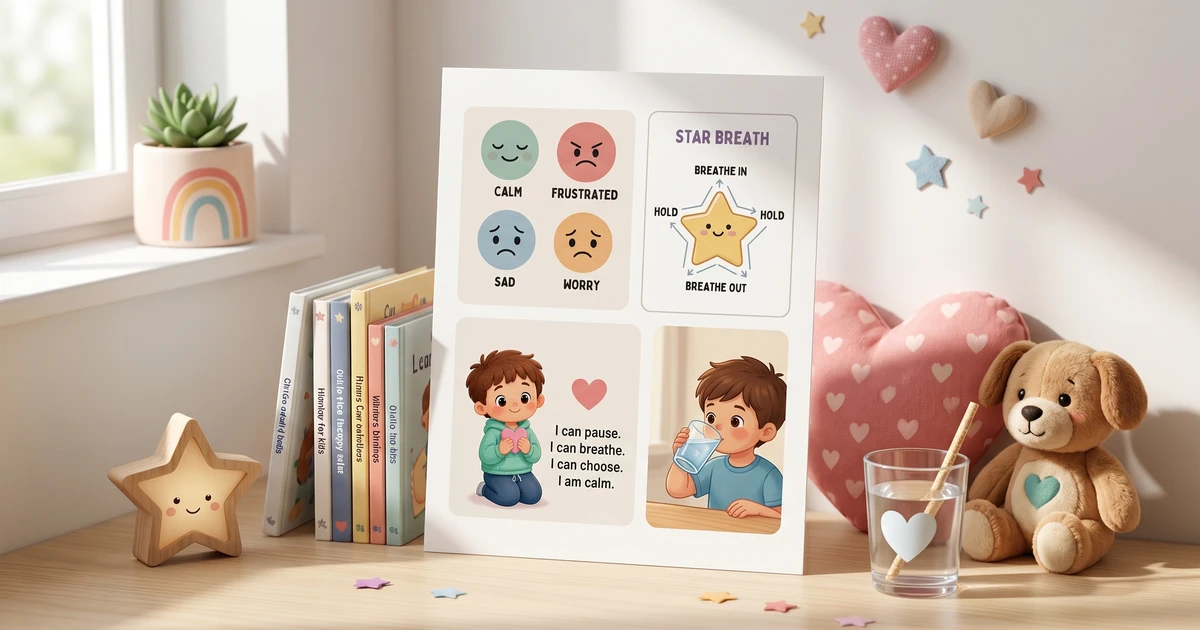
Calm Down Choices Free Printable: Downloadable Visuals for Kids
Finding a calm down choices free printable that actually works in the real world, whether you're a teacher with 25 kids in a classroom or a parent ...
How to Teach Calm Down Choices to Preschool Students
Preschoolers are emotional volcanoes. One moment they're happily building a block tower, and the next they're on the floor, inconsolable because th...