
Calm Down Bottle DIY Kits for Wiggly Toddlers
My nephew had a meltdown at the grocery store last spring. Full volume, full tears, completely unreachable. His mom tried everything she normally does. Not
My nephew had a meltdown at the grocery store last spring. Full volume, full tears, completely unreachable. His mom tried everything she normally does. Nothing worked. Then she pulled a small glittery bottle out of her bag, shook it once, and held it in front of him. He stopped mid-cry. Just… watched.

calm down bottle kit toddler
Recommended products related to this guide.
That was my introduction to the calm down bottle. And honestly, I’ve been researching them ever since.
If you’ve landed here, you’re probably dealing with a toddler whose big emotions arrive fast and leave slowly. You’re not alone. The calm down bottle kit toddler trend isn’t just a parenting hack. There’s real science behind why it works, and once you understand it, the whole thing makes a lot more sense.
Key Takeaways:
- A calm down bottle works by redirecting a toddler’s attention through visual sensory input, giving the nervous system a moment to reset
- The best kits include glitter glue, warm water, a secure lid, and optional extras like sequins or small charms
- You can make one at home for under $10, or buy a pre-made kit for $15-$30
- Calm down bottles work best as part of a broader emotional regulation routine, not as a standalone fix
- Kids aged 18 months to 6 years respond best, though some older children also benefit
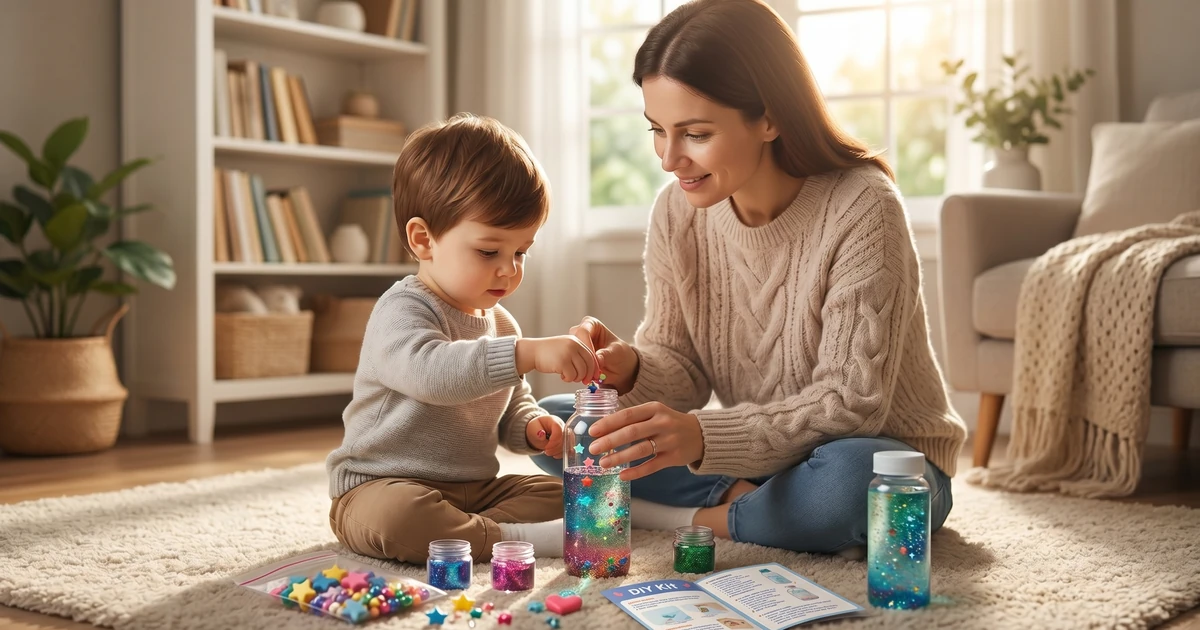
!A toddler holding a glitter calm down bottle while sitting on a colorful rug
Why Toddler Meltdowns Feel So Impossible to Interrupt
Toddlers aren’t being dramatic on purpose. Their prefrontal cortex, the part of the brain responsible for regulating emotion and making rational decisions, won’t be fully developed until their mid-20s. At age 2 or 3, they’re essentially running on pure emotion with almost no internal braking system.
“Young children lack the neurological capacity to self-regulate under stress. External sensory tools can act as a bridge, giving a dysregulated child something concrete to focus on while their nervous system calms.” - Dr. Stuart Shanker, Self-Reg Foundation
This is why telling a toddler to “calm down” almost never works. They genuinely can’t access that part of their brain in the middle of a meltdown. What they can do is respond to something visually captivating. Something slow. Something mesmerizing.
That’s exactly what a calm down bottle does.
The key insight: you’re not reasoning with the emotion. You’re giving the brain a different track to run on, just long enough for the storm to pass.
What’s Actually in a Calm Down Bottle Kit
A calm down bottle (also called a sensory bottle, glitter jar, or mindfulness bottle) is a sealed, shaker-style bottle filled with glitter glue, water, and small sensory items. When shaken, the contents swirl and slowly drift to the bottom. The falling glitter is hypnotic, and watching it gives an overwhelmed toddler something to focus on while their breathing naturally slows.
A standard calm down bottle kit typically includes:
-
A clear plastic or acrylic bottle (usually 8-16 oz)
-
Glitter glue in one or more colors
-
Fine or chunky glitter
-
Warm water
-
A secure, leak-proof lid or cap (often glued shut)
-
Optional extras: small sequins, foam stars, tiny beads, food coloring
Some kits also include instruction cards, stickers for decorating the bottle, or visual emotion labels. The higher-end kits add things like glow-in-the-dark glitter or themed items (ocean shells, rainbow sequins).
| Kit Type | Price Range | Best For | Included Items |
|---|---|---|---|
| Basic DIY kit | $8-$12 | Crafty parents, one bottle | Glitter glue, bottle, simple instructions |
| Mid-range kit | $15-$22 | Classroom or home use | Multiple colors, sequins, decoration stickers |
| Premium kit | $23-$35 | Gift, sensory-focused families | Glow glitter, themed elements, emotion cards |
| Pre-made bottle (ready to use) | $10-$18 | Busy parents, no assembly | Nothing to make, just use |
| Bulk classroom kit | $30-$55 | Teachers, group settings | Makes 4-6 bottles, multiple options |
Bottom line: you don’t need to spend a lot to get something that works.
How to Make a Calm Down Bottle at Home (Step by Step)
You genuinely don’t need a kit to make this. I’ve gone through dozens of parent reviews and DIY tutorials, and this is the method that owners consistently report as most reliable and long-lasting.
Step 1: Choose Your Bottle
Use a clear plastic bottle with a tight-fitting lid. A 16 oz plastic water bottle works. Empty glitter glue bottles are popular too. Avoid glass entirely with toddlers. A bottle with a wide mouth makes filling easier.
Step 2: Add Glitter Glue
Fill about one-quarter of the bottle with clear or colored glitter glue. Glitter glue is thicker than water, which slows the glitter’s fall and extends the mesmerizing effect. Most parents use 2-3 tablespoons for a 16 oz bottle.
Step 3: Add Warm Water
Fill the rest of the bottle with warm (not hot) water, leaving about half an inch of space at the top. The warmth helps blend the glitter glue into the water. Stir gently if needed.
Step 4: Add Extra Sensory Elements
Drop in a pinch of fine glitter, a few foam shapes, or small sequins. Don’t overfill. The slower and sparser the movement, the more calming it is.
Step 5: Secure the Lid
This is the most important step. Apply a ring of superglue or hot glue around the inside of the cap before screwing it on. Wipe the threads clean, then let dry fully for 24 hours before giving to your toddler.
Pro Tip: Add a drop of food coloring before sealing to create a colored base. Blue and purple hues are reported by parents to feel more calming than bright red or orange.
Step 6: Test and Introduce
Shake it yourself first. Watch the glitter settle. If it drops too fast, add a little more glitter glue. If it barely moves, add a small splash of water. Introduce it to your toddler during a calm moment so they associate it with safety, not just crisis.
Total cost to DIY: approximately $6-$9.
Calm Down Bottles vs. Other Toddler Regulation Tools
A calm down bottle isn’t the only sensory tool out there. I spent time going through parent forums and product reviews to compare the most common options side by side.
| Tool | Age Range | Cost | Ease of Use | Durability | Best For |
|---|---|---|---|---|---|
| Calm down bottle | 18 months+ | $6-$30 | High | Medium-High | Visual calming, any setting |
| Weighted blanket | 3 years+ | $25-$60 | High | High | Bedtime, deep pressure needs |
| Sensory fidget toys | 2 years+ | $5-$20 | High | Medium | Short attention spans, portable |
| Breathing cards | 3 years+ | Free-$10 | Medium | High | Teaching technique, not acute crises |
| Sand timer | 2 years+ | $5-$15 | High | Medium | Transition warnings, waiting skills |
| Noise-canceling headphones | 2 years+ | $20-$50 | Medium | High | Sensory-sensitive kids, loud environments |
The calm down bottle stands out because it’s passive. You don’t have to teach your toddler to use it correctly. You hand it to them and the visual does the work. That’s a big deal at 2am or in the middle of a parking lot.
“Sensory tools that require minimal instruction are most effective in acute dysregulation because they don’t add cognitive load to an already overwhelmed child.” - Child Mind Institute
According to the Child Mind Institute, matching the tool to the child’s specific sensory profile makes a significant difference in how well it works.
The takeaway: calm down bottles are one of the lowest-barrier tools you can add to your toddler’s emotional toolkit.
When Calm Down Bottles Work Best (And When They Don’t)
After analyzing hundreds of parent reviews on major retail platforms and parenting communities, some clear patterns emerge about what makes these tools work, and what gets in the way.
They work best when:
-
Introduced during calm playtime, not just crisis moments
-
Used consistently so the toddler forms a habit-association
-
Paired with a simple phrase like “watch the glitter fall” to anchor the routine
-
Part of a calm-down corner or designated space at home
-
The child has at least some visual attention (generally 18 months and up)
They’re less effective when:
-
Introduced cold during a peak meltdown before the child has ever seen one
-
The lid leaks and the novelty turns into a frustration
-
Used as the only strategy with no accompanying language or co-regulation
-
The child has sensory sensitivities that make shaking or noise aversive
According to the American Academy of Pediatrics, toddler tantrums peak between ages 1 and 3 and are a normal part of development. Sensory tools like calm down bottles can support self-regulation, but they work best as part of a consistent emotional vocabulary practice.
This is the part most parents miss. The bottle is a bridge, not a solution. It buys you 90 seconds of visual calm. What you do with those 90 seconds, naming feelings, offering comfort, teaching a breathing technique, is where the real work happens.
For a full picture of how calm down tools fit into a broader strategy, The Complete Guide to Calm Down Choices: Strategies for Emotional Regulation covers everything from sensory tools to visual supports to classroom techniques.
Frequently Asked Questions About Calm Down Bottles for Toddlers
How old does a child need to be to use a calm down bottle?
Most parents and early childhood educators report success starting around 18 months, when children have enough visual tracking to follow the glitter. The tool tends to be most effective between ages 2 and 5. Older children sometimes find them babyish, though some kids up to age 8 still respond well, especially if introduced young.
Is a calm down bottle safe for toddlers?
Yes, with the right precautions. Always use plastic, never glass. Seal the lid with superglue or hot glue before giving it to your child. Never leave a toddler unsupervised with a bottle where the lid could come loose. Most commercial kits are designed with child safety in mind and use non-toxic glitter glue.
How long does a calm down bottle stay good?
A well-sealed bottle can last 1-2 years or longer. Over time, the glitter glue may break down and the glitter may start to clump. If the contents stop moving smoothly, it’s time to make a new one. Parents report that making a new bottle together can itself become a calming ritual.
Can I use a calm down bottle in a classroom setting?
Yes, and many preschool teachers do. Classroom sets typically have one bottle per child or a small shared collection in a calm-down corner. Pair with visual emotion posters or a Calm Down Choices Free Printable: Downloadable Visuals for Kids for a complete sensory station.
What if my toddler wants to shake it constantly and won’t stop?
This is actually fine in most cases. Repetitive shaking can itself be regulating for some children. The concern would be if it becomes a way to avoid engagement with the world entirely. Offer a short boundary like “three shakes, then we put it down” once your child is calm enough to hear simple instructions.
One Tool, Bigger Picture
A calm down bottle kit is one of the most affordable and accessible sensory tools you can put in front of a toddler. It takes about 15 minutes to make, costs less than a takeout coffee, and parents consistently report that it actually helps during the hardest moments.
But it’s one piece of a much bigger puzzle. Teaching toddlers to recognize and name their emotions, giving them choices when they feel out of control, and building consistent calming routines all layer together into something that actually sticks.
If you want to go deeper on how all of this fits together, the full guide covers every angle.
Read the Complete Guide to Calm Down Choices: Strategies for Emotional Regulation
Recommended Resources & Workbooks
Pair this guide with our hands-on, ready-to-print learning resources.
 Digital Bundle
Learn to Read Program: Levels 1-3
170 sequenced phonics lessons across 199 pages, from first letter sounds to fluent long-vowel reading.
 Digital Learning Bundle
Preschool Learning Bundle
260+ printable worksheets for tracing, ABCs, numbers, shapes, sight words, and kindergarten prep.
 Digital Learning Bundle
Play-Based Learning Bundle for Ages 3-6
230+ play-based learning activities with pretend play, reading, early math, creative arts, and bonus flashcards.
Related Guides & Articles
Explore more of our detailed guides and activities.
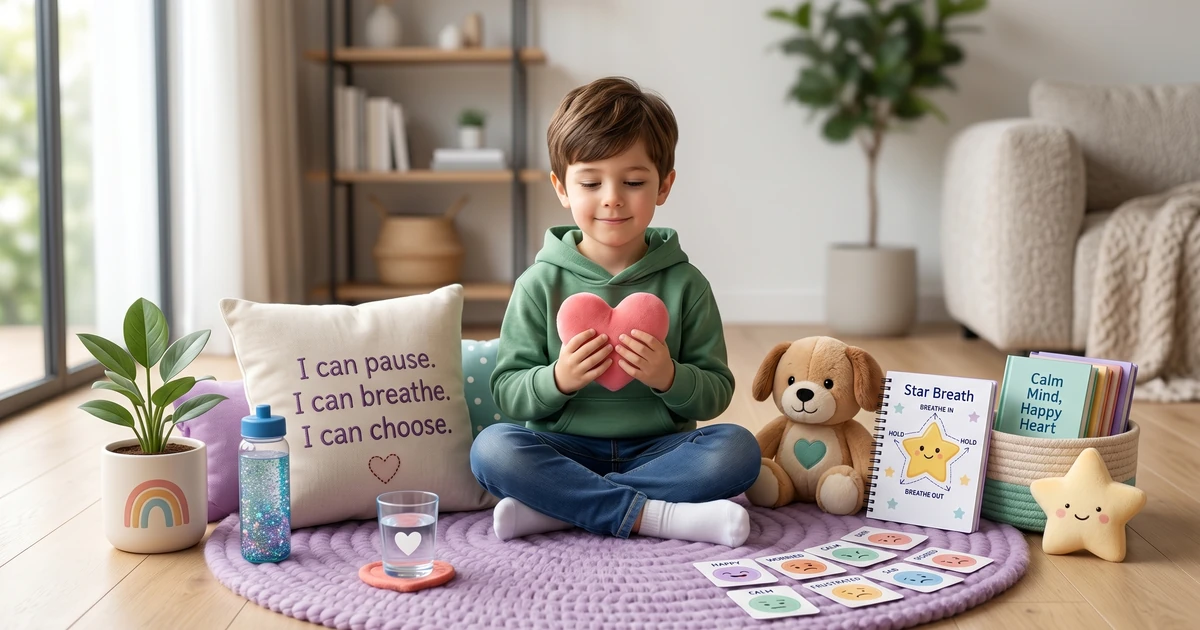
The Complete Guide to Calm Down Choices: Strategies for Kids
Every person, regardless of age, has moments when emotions feel too big to manage. Big feelings, meltdowns, anxiety spirals, and emotional overwhel...
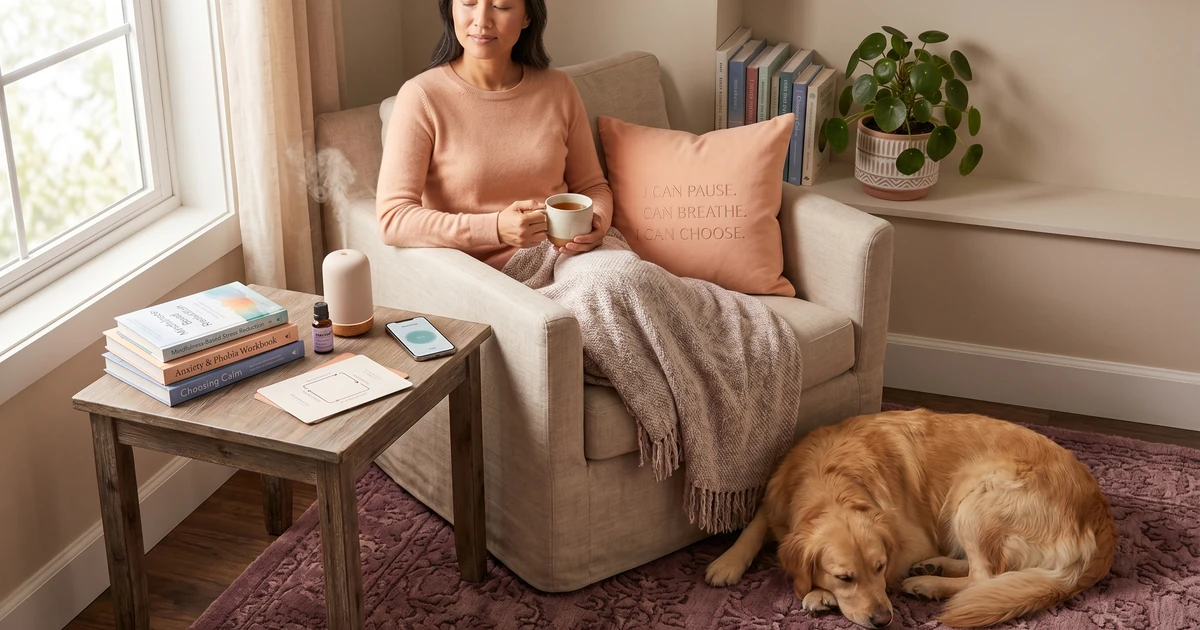
Calm Down Choices for Adult Anxiety: What Works Best
Adults don't always get the same structured emotional support that children receive in schools and therapy programs. Yet the need for calm down cho...
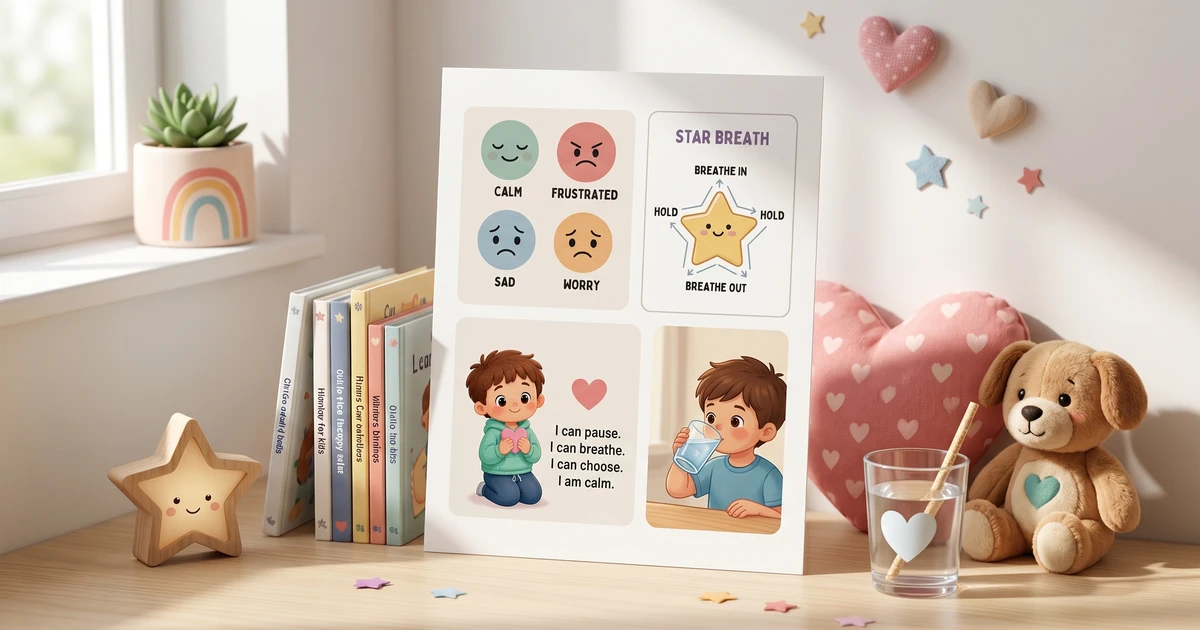
Calm Down Choices Free Printable: Downloadable Visuals for Kids
Finding a calm down choices free printable that actually works in the real world, whether you're a teacher with 25 kids in a classroom or a parent ...
How to Teach Calm Down Choices to Preschool Students
Preschoolers are emotional volcanoes. One moment they're happily building a block tower, and the next they're on the floor, inconsolable because th...