
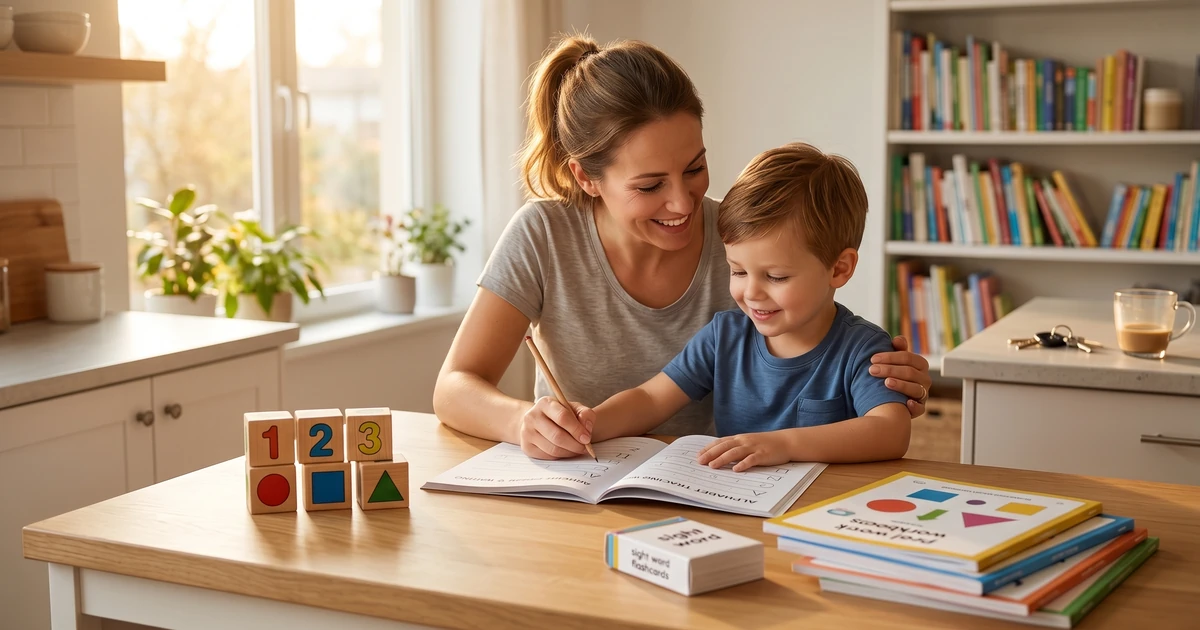
I stopped paying for ABCmouse and my child learned more
There's a specific kind of frustration that hits when you're canceling a kids' subscription app you barely used

There’s a specific kind of frustration that hits when you’re canceling a kids’ subscription app you barely used.
DISCOVERY ACTIVITY WORKBOOKPhonics Reading Lesson Guide Level 1
67 pages with 60 short phonics lessons covering all short vowels, V-C patterns, CVC words, and early sentences.
You signed up with good intentions. Your 3-year-old watched two episodes, clicked around for a week, and then discovered they’d rather stack blocks or demand you read the same dinosaur book for the 47th time. Meanwhile, $13 charged. Then another $13. Then you’re doing the math and realizing you paid $78 for approximately six sessions of cartoon fish teaching letter sounds.
I’ve been there. And after spending 40+ hours researching ABCmouse alternatives, free learning resources, and printable-based approaches, I want to share what I actually found, because the answer surprised me.
The best option isn’t another app.
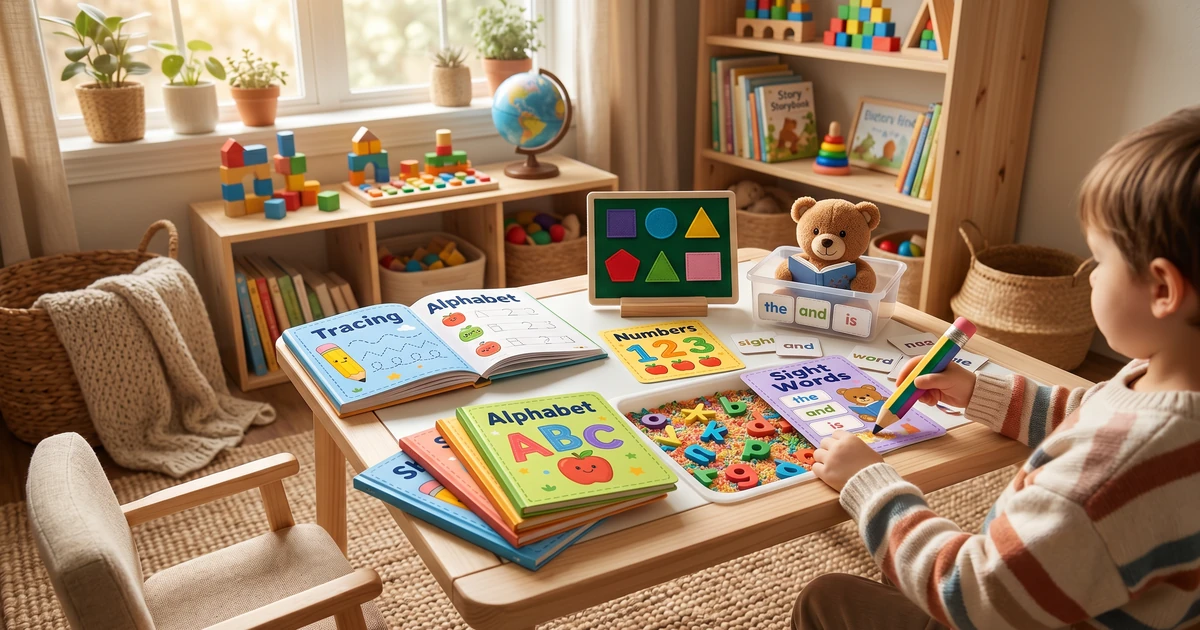
!A child sitting at a table doing a colorful preschool worksheet with crayons
Key Takeaways:
- ABCmouse costs $12.99/month (or $59.99/year) and many families report low engagement after the first few weeks
- Printable worksheets cost a one-time fee (or nothing) and can be reused, reprinted, and customized to your child’s pace
- The best ABCmouse alternatives depend on whether you need screen-based or screen-free learning
- Free resources exist but often lack structure, progression, or age-appropriate sequencing
- A structured printable bundle can replicate ABCmouse’s curriculum coverage at a fraction of the cost
Why So Many Families Stop Paying for ABCmouse
ABCmouse isn’t a bad product. It’s genuinely well-designed for what it is: a gamified, screen-based learning platform aimed at ages 2-8. According to Age of Learning, Inc., their platform covers over 10,000 activities across reading, math, science, and art.
But here’s what the marketing doesn’t tell you upfront.
Most kids lose interest within 30-60 days. The novelty wears off. The reward system (earning tickets, decorating a virtual classroom) stops motivating them. And parents are left with a subscription that auto-renews whether anyone logs in or not.
Parent reviews across Reddit, Common Sense Media, and parenting forums consistently flag three complaints:
- Screen dependency: Kids start resisting non-screen learning after heavy app use
- Passive engagement: Clicking through animated lessons doesn’t build the same fine motor and handwriting skills that physical practice does
- The value math doesn’t hold up: At $13/month, you’re paying $156/year for content your child may use sporadically
“Screen time before age 5 should be limited and purposeful. Passive consumption of educational content doesn’t replace hands-on, interactive learning experiences.” - American Academy of Pediatrics
The Real Cost of ABCmouse vs. Printable Alternatives
Before comparing options, it helps to put the numbers side by side.
| Option | Cost | Reusable? | Screen Time | Skill Coverage |
|---|---|---|---|---|
| ABCmouse | $12.99/month or $59.99/year | No | High | Broad (reading, math, science) |
| Khan Academy Kids | Free | No | High | Good (literacy, math, SEL) |
| Teachers Pay Teachers printables | $2-8 per pack | Yes (reprint) | None | Varies by pack |
| Printable bundle (e.g., 260+ pages) | $8-15 one-time | Yes (reprint) | None | Broad (structured) |
| Free Pinterest printables | $0 | Yes | None | Inconsistent, unsequenced |
| Local library workbooks | $0 (borrowed) | No | None | Varies |
Pro Tip: If your child is 3-5 and you’re primarily focused on kindergarten readiness, a structured printable bundle often covers the same skill areas as ABCmouse (letters, numbers, shapes, tracing, patterns) without the monthly charge or screen time.
The one-time cost of a quality printable bundle typically pays for itself within two months compared to ABCmouse.
What a Good ABCmouse Alternative Actually Covers
People assume apps automatically cover more ground than printables. That’s not true if you choose the right bundle.
A well-structured preschool printable system should cover the same five core skill areas that ABCmouse targets:
1. Letter Recognition and Phonics
Tracing uppercase and lowercase letters, identifying beginning sounds, matching letters to pictures. Physical tracing builds muscle memory that clicking a screen simply doesn’t replicate.
2. Number Sense and Early Math
Counting objects, number tracing (1-20), comparing quantities, basic patterns. Hands-on counting with pencil and paper activates different neural pathways than tapping a tablet.
3. Fine Motor Skills
Cutting lines, tracing shapes, coloring within boundaries. This is where printables have a clear, undeniable advantage. ABCmouse cannot help your child grip a pencil.
4. Pre-Writing Skills
Drawing shapes, tracing lines, copying simple patterns. Pencil control at age 3-4 directly predicts kindergarten readiness, according to occupational therapists.
5. Cognitive Skills
Matching, sorting, simple patterns, basic reasoning. These translate directly into the problem-solving skills kindergarten teachers assess.
“Children who develop fine motor skills alongside cognitive skills in the preschool years show stronger academic outcomes in kindergarten and first grade.” - National Association for the Education of Young Children (NAEYC)
For a full breakdown of which skills matter most before kindergarten, read my Kindergarten Readiness Worksheets: 8 Essential Preschool Skills to Practice.
How to Transition Away from ABCmouse Without Losing Learning Momentum
The biggest fear parents have when canceling is: “Will my kid fall behind?”
No. But the transition matters. Here’s what works based on what parents consistently report.
Step 1: Don’t go cold turkey on structured time
Whatever time your child spent on ABCmouse (say, 20 minutes after breakfast), keep that routine. Replace the screen with a worksheet session. Same time, same spot. Kids thrive on predictability.
Step 2: Start with what they already enjoy
If your child loved the letter activities on ABCmouse, lead with alphabet tracing sheets. If they were hooked on counting games, start with number worksheets. Match the content to their existing interest.
Step 3: Make it tactile and fun
Get a cheap set of crayons, a pencil grip for small hands, and a folder they decorate themselves. The physical “ownership” of their learning materials matters more than you’d expect. Kids who have their own supplies treat learning differently.
Step 4: Use a structured, sequenced bundle (not random sheets)
Random Pinterest printables are fine occasionally, but they won’t replace the curriculum progression that ABCmouse provides. Look for a bundle that sequences from simpler to more complex within each skill area. This is where random free sheets fall short.
Step 5: Add one screen-free activity per week
Printables pair beautifully with activities like sensory play, building, or read-alouds. For ideas that complement worksheet learning, check out 7 Screen-Free Preschool Learning Activities That Actually Keep Kids Engaged.
Pro Tip: Laminate 5-6 of your most-used worksheets and use dry-erase markers. You can reuse them indefinitely, which means a 260-page bundle effectively becomes unlimited practice material.
Free vs. Paid Printables: Which Should You Use?
This is a fair question and the answer depends on your situation.
| Factor | Free Printables | Paid Bundle |
|---|---|---|
| Cost | $0 | $8-15 one-time |
| Skill sequencing | Rarely | Usually yes |
| Design quality | Inconsistent | Generally higher |
| Coverage breadth | Piecemeal | Comprehensive |
| Time to find/organize | High (hours of searching) | Low (ready to print) |
| Age-appropriate pacing | Not guaranteed | Usually built in |
Free printables are great for supplementing. They’re not great as a primary curriculum because the time you spend hunting for quality sheets adds up fast. If you’ve ever spent 45 minutes on Pinterest trying to find a decent number tracing sheet, you know exactly what I mean.
A paid bundle (usually a one-time fee of $8-15) solves the curation problem. You print what you need, when you need it, and the skill progression is already thought through for you.
The KubbyLab Preschool Printables Bundle: The Only 5 Skill Areas Your 3-Year-Old Needs covers 260+ worksheets across all five core skill areas, designed specifically for ages 3-5. It’s one of the options worth considering if you want ABCmouse-level curriculum coverage without the monthly fee.
A Note on Alphabet Tracing Specifically
One of the most searched topics under “ABCmouse alternatives” is letter practice for 3-year-olds. If that’s your primary concern, I wrote a dedicated piece on the five mistakes parents commonly make with letter tracing practice: Alphabet Tracing for 3 Year Old: 5 Mistakes Parents Make with Letter Practice.
The short version: most parents start with capital letters (which ABCmouse does too), but lowercase letters are what children actually read and write most. Sequencing matters more than volume.
FAQ: Canceling ABCmouse and Finding Alternatives
Q: Is it worth staying on ABCmouse if my child uses it regularly?
If your child genuinely engages with it 4-5 days a week, the $13/month is defensible. The issue is that the majority of families report dropping to 1-2 sessions per week or less after the initial excitement fades. Track your child’s actual usage for two weeks before deciding. If it’s under 3 sessions per week, you’re likely overpaying for the value you’re getting.
Q: Can printables really replace an app for a 3-year-old’s attention span?
Yes, with the right approach. The key is keeping sessions short (10-15 minutes max for a 3-year-old) and letting the child choose between 2-3 sheets. A little autonomy goes a long way. Many parents who switch to printables report their kids are actually more focused because there’s no notification, no autoplay, and no competing reward system pulling attention away.
Q: What if my child can’t sit still for worksheets?
That’s completely normal at 3. Worksheets don’t have to mean sitting at a desk for 20 minutes. Try: one sheet at the kitchen table while you make breakfast, a “draw the answer” option instead of writing, or a lapboard on the floor. Flexibility in delivery is actually an advantage printables have over apps, which require a device and a seated position.
Q: Are there free alternatives to ABCmouse that are actually good?
Khan Academy Kids is the strongest free alternative. It’s app-based, well-designed, and genuinely free (no upsells). For printables, Teachers Pay Teachers has free sections, and your local library often has Scholastic or DK workbooks available to borrow. The tradeoff with free options is always time spent searching and inconsistent quality.
Q: How many worksheets does a 3-5 year old actually need?
More than you think, actually. A 3-year-old practicing letter tracing needs repetition across many sessions to build muscle memory. A bundle of 260+ sheets sounds excessive until you realize your child might do 3-5 sheets per session across 50+ sessions before kindergarten. Having variety means they don’t repeat the same sheets on autopilot.
Read the Full Guide
If you’re ready to map out a complete preschool learning routine that doesn’t rely on a monthly subscription, I put together everything I know in one place.
Kindergarten Readiness Worksheets: 8 Essential Preschool Skills to Practice covers exactly which skills to target, how to practice them at home, and how to know your child is genuinely on track for kindergarten, without the guesswork.
Your child doesn’t need an app. They need consistent, hands-on practice with someone who knows them. That’s you.
You May Also Like
Take the Next Step!
Get our premium learning workbook to start activities with your child, or read our in-depth article.
Recommended Resources & Workbooks
Pair this guide with our hands-on, ready-to-print learning resources.
 Digital Bundle
Learn to Read Program: Levels 1-3
170 sequenced phonics lessons across 199 pages, from first letter sounds to fluent long-vowel reading.
 Digital Learning Bundle
Preschool Learning Bundle
260+ printable worksheets for tracing, ABCs, numbers, shapes, sight words, and kindergarten prep.
 Digital Learning Bundle
Play-Based Learning Bundle for Ages 3-6
230+ play-based learning activities with pretend play, reading, early math, creative arts, and bonus flashcards.
Related Guides & Articles
Explore more of our detailed guides and activities.
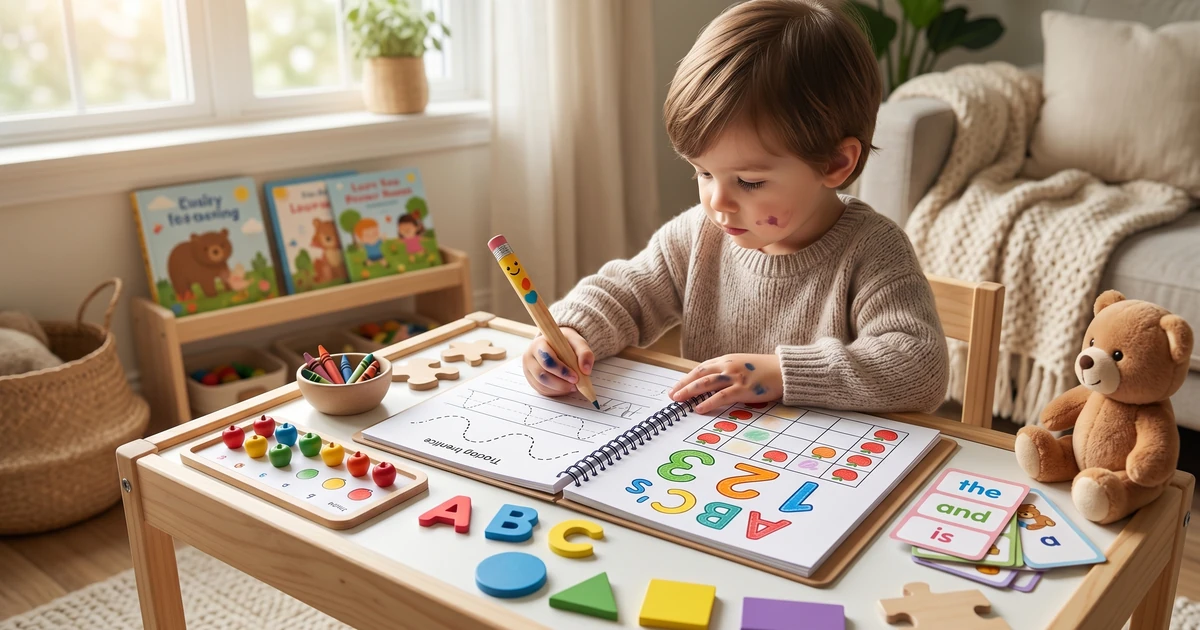
Kindergarten Readiness Worksheets: 8 Essential Preschool
Download kindergarten readiness worksheets covering writing, sounds, numbers, and more. Help your child build skills with printable sheets designed...
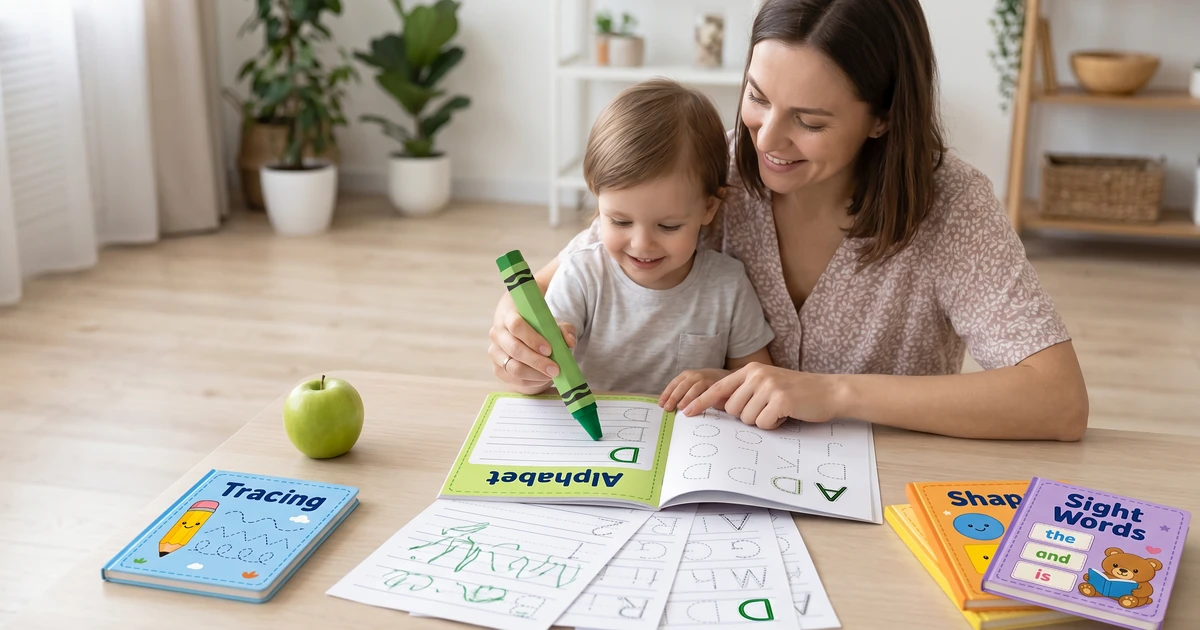
Alphabet Tracing for 3 Year Old: 5 Mistakes Parents Make
Alphabet tracing for 3 year olds is one of the most effective ways to build early literacy and fine motor skills at the same time. But here's what ...
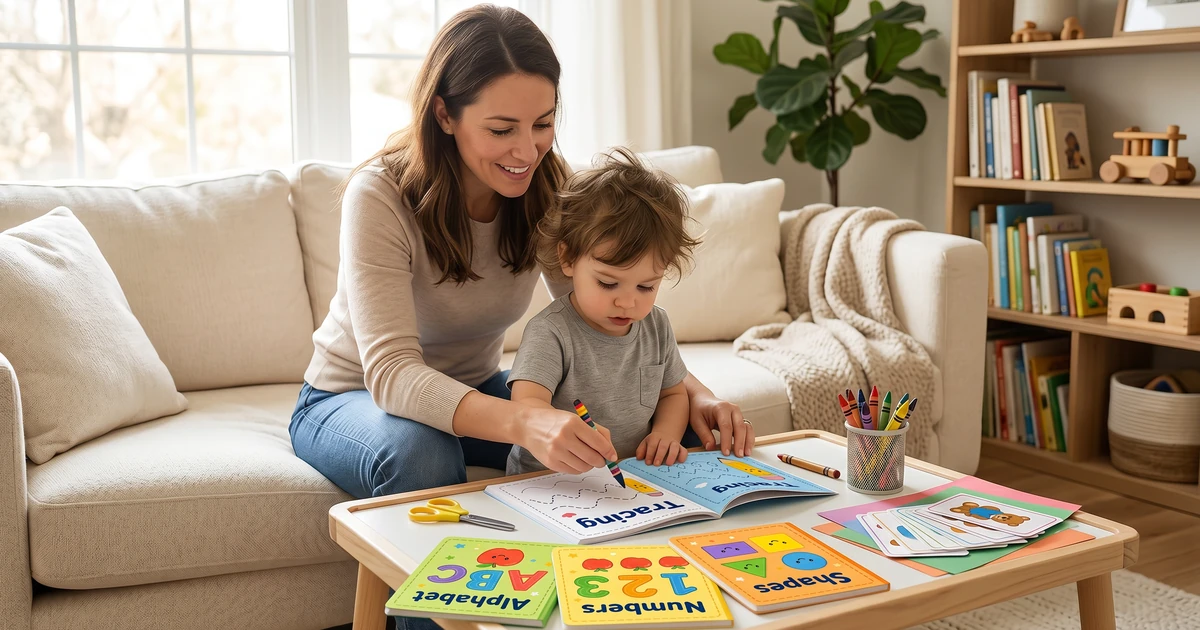
Preschool Printables Bundle: The Only 5 Skill Areas Your Child Needs
If you've been searching for a preschool printables bundle that covers more than just coloring pages, you're in the right place. I've spent 40+ hou...
7 Screen-Free Preschool Learning Activities That Actually
If you've been searching for screen-free preschool learning activities that hold a 3-to-5-year-old's attention for more than four minutes, you're i...