
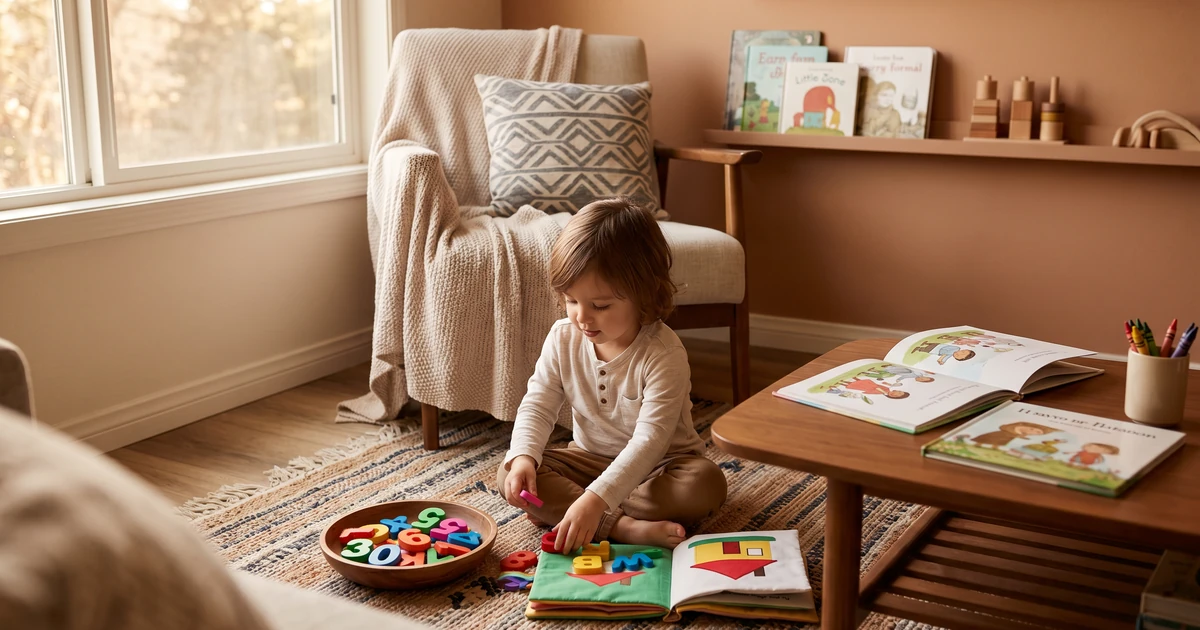
Want kindergarten readiness without a curriculum? Start here
You're sitting at the kitchen table, watching your 4-year-old struggle to hold a crayon, and a quiet panic sets in. Kindergarten is coming. Other parents s

You’re sitting at the kitchen table, watching your 4-year-old struggle to hold a crayon, and a quiet panic sets in. Kindergarten is coming. Other parents seem to have it figured out: they’re talking about reading programs, structured schedules, curriculum boxes that cost $300 a year. And here you are wondering if you’re already behind.
DISCOVERY ACTIVITY WORKBOOKPhonics Reading Lesson Guide Level 1
67 pages with 60 short phonics lessons covering all short vowels, V-C patterns, CVC words, and early sentences.
I’ve spent a lot of time researching this exact anxiety. And what I found surprised me: most kids who struggle in kindergarten don’t struggle because they missed a formal curriculum. They struggle because no one worked on the foundational skills that kindergarten teachers actually care about.
The good news? You don’t need a curriculum to build those skills. You need the right printables, a little structure, and about 15 minutes a day.
Key Takeaways:
- Kindergarten readiness is about foundational skills, not academic curriculum
- 15 minutes of daily focused activity is enough to make real progress
- Fine motor, phonological awareness, and social-emotional skills matter most to teachers
- Printable worksheets are one of the most cost-effective tools for skill-building at home
- You don’t need a paid curriculum subscription to prepare your child well
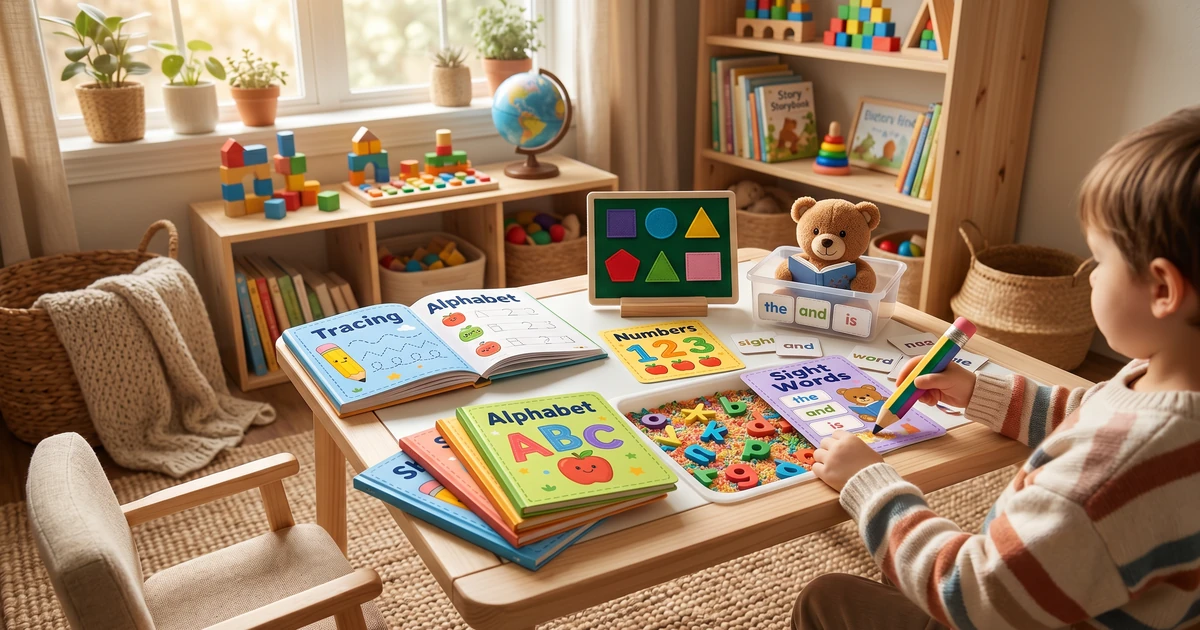
!A child sitting at a table working on a printable worksheet with crayons and pencils
What “Kindergarten Readiness” Actually Means (It’s Not What Most Parents Think)
Kindergarten readiness is a child’s ability to engage with learning in a structured group environment. It’s not about reading full sentences or doing addition. It’s about whether your child can sit for 10 minutes, follow two-step instructions, write their own name, and recognize letters by sound.
According to the National Association for the Education of Young Children (NAEYC), school readiness includes physical, social, emotional, language, and cognitive dimensions, not just academic knowledge. Most formal curricula focus almost entirely on cognitive skills and miss everything else.
Kindergarten teachers consistently report that the kids who struggle most aren’t the ones who can’t read. They’re the ones who can’t hold scissors, can’t take turns, or can’t recognize their own name in print.
The curriculum myth is real, and it’s costing parents hundreds of dollars they don’t need to spend.
The 5 Skills Kindergarten Teachers Actually Look For
After analyzing hundreds of parent reviews, teacher forums, and early childhood education research, I narrowed it down to five core skill areas that come up again and again.
| Skill Area | Why It Matters | Easy at-Home Practice |
|---|---|---|
| Fine Motor Control | Needed for writing, cutting, and drawing | Tracing lines, cutting practice, playdough |
| Letter Recognition | Foundation for reading and phonics | Alphabet matching, letter tracing |
| Number Sense (1-10) | Counting, comparing, and ordering | Number tracing, dot-to-dot activities |
| Phonological Awareness | Recognizing sounds in words | Rhyming games, beginning sound worksheets |
| Self-Regulation | Sitting, listening, following directions | Structured activity time, turn-taking |
Most free printable resources only cover one or two of these areas. A solid kindergarten readiness printable set should touch all five, which is why I always recommend using a bundled set rather than hunting for individual sheets.
“Children who enter kindergarten with strong self-regulation skills consistently outperform peers academically, even when those peers have higher initial academic knowledge.” - Harvard Center on the Developing Child
You don’t need a curriculum to cover these five areas. You need intentional practice.
Why Printables Beat Curricula for Most Families
Formal curricula are designed for teachers managing 20+ kids in a classroom. At home, with one or two children, they’re often overkill. They come with pacing guides, scope-and-sequence charts, and materials you’ll never use. Parents consistently report feeling overwhelmed and guilty when they fall behind the prescribed schedule.
Printables work differently. You pull out what your child needs today. Your child is struggling with pencil grip? Do three fine motor sheets this week. They already know all their letters? Skip the alphabet tracing and move to beginning sounds.
Here’s a quick cost comparison:
| Option | Cost | Flexibility | Reusability |
|---|---|---|---|
| Boxed curriculum | $150 to $350/year | Low (fixed sequence) | Low |
| Digital curriculum subscription | $10 to $30/month | Medium | Medium |
| Printable bundle (one-time) | $8 to $25 | Very high | Print as many times as needed |
| Free individual printables | $0 | High | Print as needed (but takes hours to find) |
A one-time printable bundle gives you the flexibility of free sheets without the 40+ hours of hunting, formatting, and quality-checking individual files. Owners consistently report that having everything in one organized download makes it dramatically easier to stay consistent.
Pro Tip: Print 5-10 sheets at the start of each week and keep them in a simple folder labeled “This Week.” Kids love knowing there’s a stack waiting for them, and it removes the decision fatigue of figuring out what to do each day.
Structured flexibility is the real advantage of printables over packaged curriculum.
How to Build a Simple 15-Minute Kindergarten Readiness Routine
You don’t need a lesson plan. You need a repeatable rhythm. Here’s what works based on what parents consistently describe as sustainable and effective:
Step 1: Pick One Skill Area Per Day
Monday: fine motor. Tuesday: letters. Wednesday: numbers. Thursday: phonics. Friday: free choice. That’s it. Rotating keeps your child from getting bored and ensures all five skill areas get covered in a week.
Step 2: Gather Two or Three Printable Sheets
Don’t stack up a 20-sheet pile. Two or three well-chosen sheets is plenty for a 4-year-old. One should be something they already feel confident about (builds momentum), and one should be a gentle stretch.
Step 3: Sit Together for the First Sheet
Young children learn faster when a parent sits alongside them, even silently. You don’t need to teach. Just be present for the first two or three minutes, then let them work independently.
Step 4: Celebrate the Effort, Not the Result
Resist the urge to correct every wobbly letter or miscolored shape. At this age, the habit of sitting down to practice matters far more than perfection. Parents who keep this stage positive report their kids asking for “worksheet time” on their own within a few weeks.
Step 5: Store Finished Sheets in a “Progress Binder”
Watching a binder fill up is incredibly motivating for kids and parents alike. After a month, flip back through the early pages together. The growth is usually obvious, and your child will feel genuinely proud.
Pro Tip: Use a simple page protector sleeve at the front of the binder as a “display” spot for your child’s current best work. Let them choose which sheet goes there. That small sense of ownership makes a real difference.
The One Mistake Most Parents Make with Kindergarten Readiness Printables
They only practice what’s easy.
It feels kinder to let your child do the sheets they already know. And some of that is fine, because confidence matters. But if your child is breezing through every sheet with zero frustration, they’re not being stretched.
The research on early childhood skill development is clear: children need to experience manageable challenge. Not frustration. Not boredom. The slightly-too-hard-but-almost-there zone is where real growth happens.
For printables, this means you need enough variety to find that zone. A 10-sheet alphabet packet won’t cut it. You need options across difficulty levels within each skill area so you can match the right sheet to where your child actually is today.
This is where a comprehensive Preschool Printables Bundle: The Only 5 Skill Areas Your 3-Year-Old Needs becomes genuinely useful rather than just convenient. Coverage across levels matters.
What to Look for in a Kindergarten Readiness Printable Set
Not all printable bundles are equal. Here’s a quick checklist based on what parents consistently praise (and complain about):
| Criteria | What Good Looks Like | Red Flag |
|---|---|---|
| Skill coverage | All 5 foundational areas included | Only letters and numbers |
| Difficulty range | Beginner, intermediate, and advanced sheets | One difficulty level only |
| Visual design | Clean, uncluttered, age-appropriate | Cluttered or too “babyish” for a 4-year-old |
| File format | Printable PDF, letter and A4 size | Web-only or editable formats only |
| Age range | Covers ages 3 to 5 with progression | Designed for a single narrow age |
| Volume | 100+ sheets so you’re not reprinting the same ones | Under 30 sheets (runs out fast) |
The Preschool Learning Bundle from KubbyLab covers 260+ worksheets across exactly these skill areas, and it’s a one-time PDF download you can print at home on a standard printer. No subscription, no pacing guide telling you what to do when.
For a full breakdown of the eight skill areas kindergarten teachers consistently prioritize, plus specific printable recommendations for each one, read the complete guide:
Kindergarten Readiness Worksheets: 8 Essential Preschool Skills to Practice
And if you want screen-free activity ideas to pair with your printables, this one is worth bookmarking:
7 Screen-Free Preschool Learning Activities That Actually Keep Kids Engaged
Frequently Asked Questions
Does my child need a formal curriculum to be ready for kindergarten?
No. Most kindergarten readiness experts and teachers agree that foundational skills matter far more than structured academic curriculum. Children who can hold a pencil, recognize letters by sound, count to 20, and follow simple directions are well-prepared, regardless of whether a formal curriculum was used. Consistent short practice sessions with targeted printables are enough for most children.
How early should I start working on kindergarten readiness skills?
Starting around age 3 is ideal, but age 4 still leaves plenty of time. Even starting six months before kindergarten entry can make a meaningful difference if you’re consistent. The key is daily or near-daily short sessions, not marathon study hours. See more on age-appropriate activities in Alphabet Tracing for 3 Year Old: 5 Mistakes Parents Make with Letter Practice.
My child won’t sit still for worksheets. What should I do?
Start with one sheet, not three. Sit with them for the first few minutes. Keep sessions under 10 minutes initially and build up over several weeks. Many parents find that having a consistent time (right after breakfast, for example) helps their child settle faster than random sessions throughout the day. Physical movement before sitting down also helps. Jump 10 times, then come to the table.
Are printable worksheets better than apps for kindergarten readiness?
For fine motor development, printables are significantly better than apps because holding a pencil and controlling hand movements on paper directly builds the muscles needed for writing. Apps can supplement, but they don’t replace physical practice. Teachers consistently note that children who primarily used screens before kindergarten often struggle with pencil grip and hand strength.
What if my child already knows some of these skills?
That’s great. A good printable set should have enough variety to meet your child where they are. Move past the beginner letter recognition sheets if they’ve mastered those and focus on beginning sounds, rhyming, or sight words. The goal is manageable challenge, not repetition of things already mastered.
You May Also Like
Take the Next Step!
Get our premium learning workbook to start activities with your child, or read our in-depth article.
Recommended Resources & Workbooks
Pair this guide with our hands-on, ready-to-print learning resources.
 Digital Bundle
Learn to Read Program: Levels 1-3
170 sequenced phonics lessons across 199 pages, from first letter sounds to fluent long-vowel reading.
 Digital Learning Bundle
Preschool Learning Bundle
260+ printable worksheets for tracing, ABCs, numbers, shapes, sight words, and kindergarten prep.
 Digital Learning Bundle
Play-Based Learning Bundle for Ages 3-6
230+ play-based learning activities with pretend play, reading, early math, creative arts, and bonus flashcards.
Related Guides & Articles
Explore more of our detailed guides and activities.
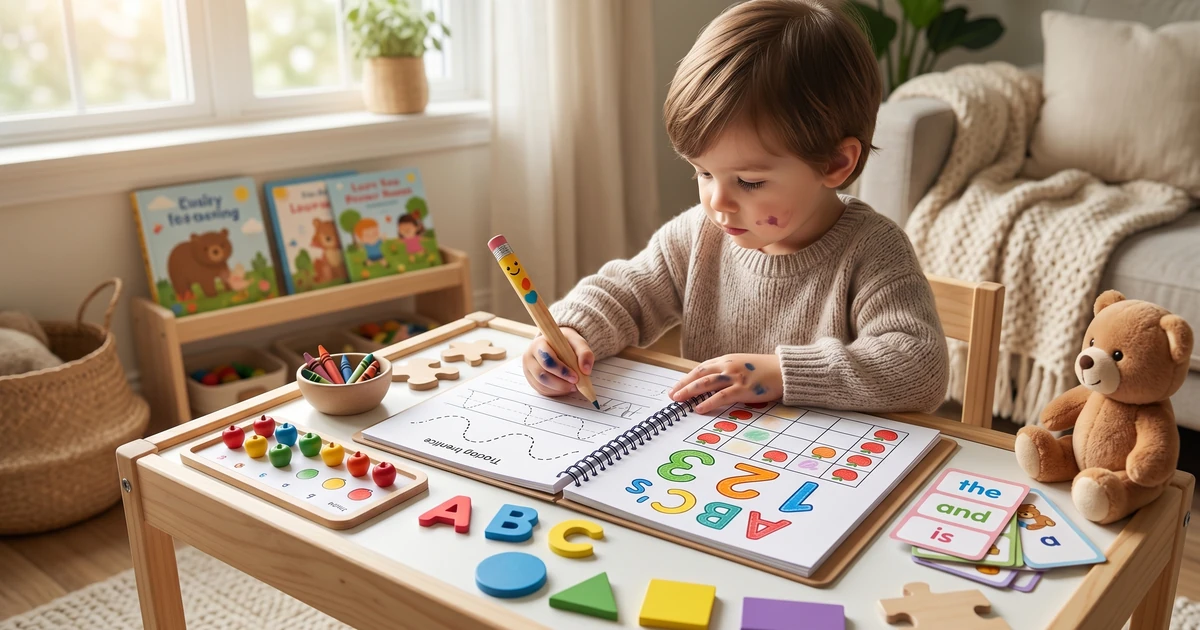
Kindergarten Readiness Worksheets: 8 Essential Preschool
Download kindergarten readiness worksheets covering writing, sounds, numbers, and more. Help your child build skills with printable sheets designed...
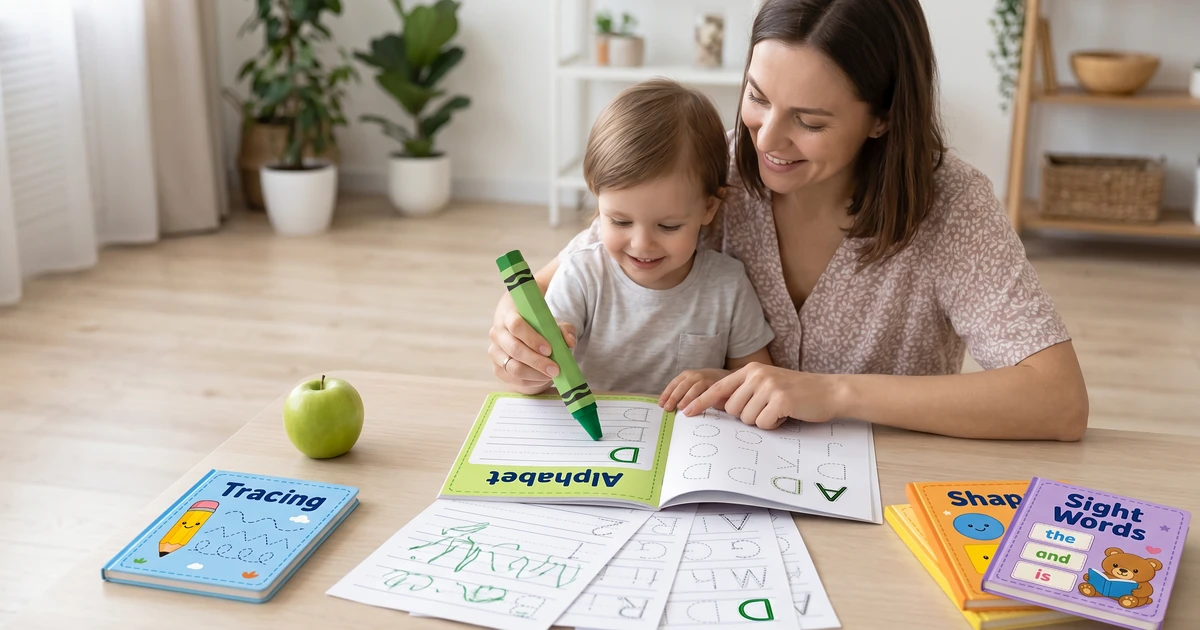
Alphabet Tracing for 3 Year Old: 5 Mistakes Parents Make
Alphabet tracing for 3 year olds is one of the most effective ways to build early literacy and fine motor skills at the same time. But here's what ...
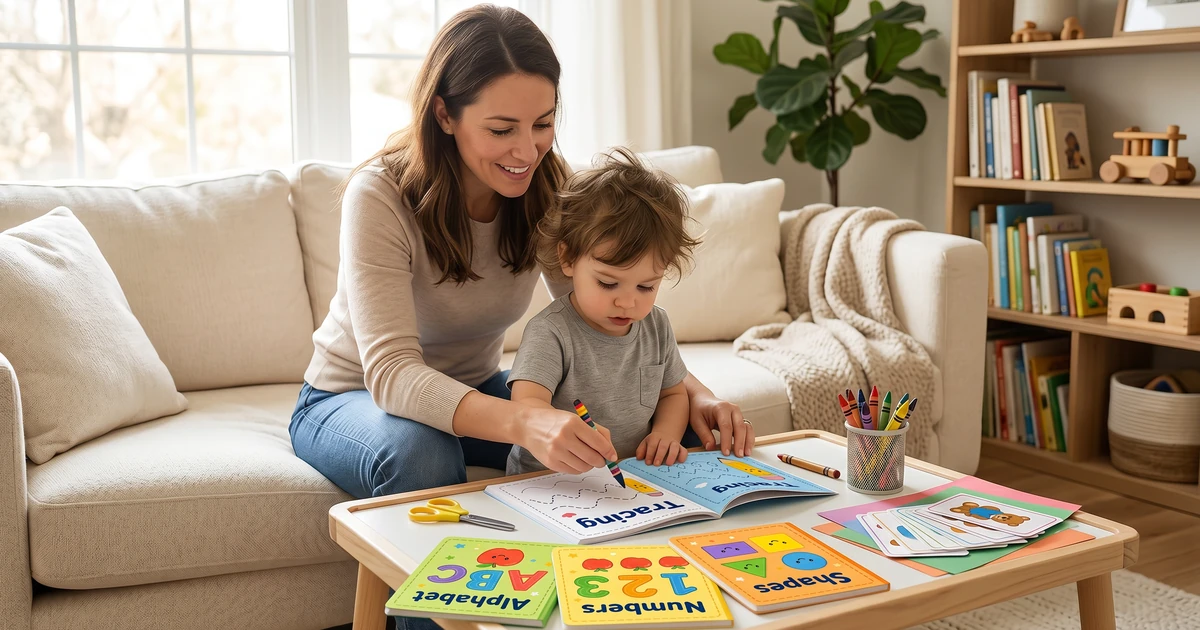
Preschool Printables Bundle: The Only 5 Skill Areas Your Child Needs
If you've been searching for a preschool printables bundle that covers more than just coloring pages, you're in the right place. I've spent 40+ hou...
7 Screen-Free Preschool Learning Activities That Actually
If you've been searching for screen-free preschool learning activities that hold a 3-to-5-year-old's attention for more than four minutes, you're i...