

Your child's fine motor delay isn't what you think, try this first
I remember the exact moment I realized something was off. My daughter was sitting at the kitchen table, trying to color a simple butterfly outline. She gri

I remember the exact moment I realized something was off. My daughter was sitting at the kitchen table, trying to color a simple butterfly outline. She gripped the crayon with her whole fist, pressed so hard the paper tore, and then burst into tears out of frustration. She was four years old.
DISCOVERY ACTIVITY WORKBOOKPhonics Reading Lesson Guide Level 1
67 pages with 60 short phonics lessons covering all short vowels, V-C patterns, CVC words, and early sentences.
Her preschool teacher had gently mentioned “fine motor concerns” at the last parent meeting. I nodded like I understood, went home, and immediately fell down a research rabbit hole that lasted weeks.
If your child is struggling with scissors, crayons, buttons, or pencils, you’re probably feeling that same mix of worry and “where do I even start?” This page is for you.
Key Takeaways:
- Fine motor delay in preschoolers is common and highly responsive to targeted daily practice
- The most effective activities build strength AND coordination together, not separately
- Short, playful sessions (5-10 minutes) work better than long structured ones for ages 3-5
- Printable worksheets, sensory play, and everyday household tasks are all valid tools
- Early intervention through activity-based practice at home makes a measurable difference before kindergarten
!A preschooler practicing fine motor skills with colorful activities at a table
What Fine Motor Delay Actually Looks Like in Preschoolers
Fine motor delay is when a child’s ability to use the small muscles in their hands and fingers falls behind the typical developmental timeline. It’s not about intelligence or effort. It’s about the hands not yet having the strength, coordination, or control that most kids develop naturally by a certain age.
The tricky part is that the signs are easy to dismiss as “just being a kid.” Here’s what I’ve learned to actually watch for:
-
Avoiding drawing, coloring, or craft activities (it feels hard, so they opt out)
-
Holding crayons, pencils, or spoons with a full fist grip past age 3.5
-
Struggling to use child scissors after being shown multiple times
-
Difficulty with self-care tasks like buttoning, zipping, or pouring
-
Tearing paper instead of cutting, or coloring so lightly the marks barely show
-
Getting frustrated quickly during tabletop activities
According to the American Occupational Therapy Association, fine motor skills are foundational for academic success, particularly for writing, reading readiness, and classroom independence. Kids who enter kindergarten with weak hand strength and poor pencil control often struggle not because they lack knowledge, but because the physical act of writing exhausts them.
The earlier you start targeted practice, the better the outcomes.
Why “Just Practice More” Isn’t Enough
When I first heard “fine motor delay,” I thought the fix was simple: give her more crayons, more coloring books, more time at the table. I was wrong.
Random coloring doesn’t build the specific muscle groups and neural pathways that fine motor skills require. What actually works is a progression of activities that challenge the hands in different ways: pinching, squeezing, twisting, threading, tearing, and controlled tracing.
Think of it like physical therapy. You wouldn’t rehab a knee by just walking more. You’d do specific exercises targeting the exact muscles that need strengthening.
“Fine motor development isn’t a single skill, it’s a family of skills that build on each other. Children need exposure to varied hand movements, not just repetition of one activity.” - Occupational Therapist guidance cited by CDC’s Learn the Signs. Act Early.
The good news is that the right activities genuinely work. And most of them require nothing fancy.
The 5 Types of Fine Motor Activities That Actually Build Skills
After analyzing dozens of occupational therapy resources and parent experiences, I found that effective fine motor delay preschool activities fall into five categories. A solid weekly routine should include all five.
1. Pincer Grip Strengtheners
The pincer grip (using thumb and index finger together) is the foundation of pencil control. Without it, kids can’t hold writing tools correctly.
Activities that build pincer grip:
-
Picking up small objects (beads, dried beans, mini erasers) with tweezers or fingers
-
Peeling stickers and placing them on paper
-
Pulling apart and connecting small pop-it style toys
-
Using a hole punch on paper
-
Tearing paper along a drawn line into small pieces
2. Hand Strength and Resistance Activities
Weak hand muscles are a root cause of poor pencil pressure and scissor control. These activities build overall grip strength:
-
Squeezing playdough, kinetic sand, or therapy putty
-
Using a turkey baster or dropper (water play is a favorite)
-
Crumpling paper into tight balls
-
Wringing out a wet sponge
-
Opening and closing clothespins repeatedly
3. Controlled Mark-Making (Pre-Writing)
Tracing, drawing within boundaries, and following paths all train the brain-to-hand coordination that writing requires. This is where structured printable worksheets shine, especially ones designed with developmental progression in mind.
Specific activities:
-
Tracing thick dotted lines before thin ones
-
Connecting dots to form shapes
-
Mazes with wide paths (gradually narrowing as skills improve)
-
Drawing inside shape outlines without going over the edge
-
Copying simple patterns (circle, circle, square)
Pro Tip: Always start with vertical and horizontal lines before diagonal lines, and diagonal lines before curves. That’s the developmental sequence occupational therapists recommend.
4. Scissor Skills (in Stages)
Scissors are terrifying for fine motor delayed kids because they require both hands to work together. The progression matters:
Step 1: Practice opening and closing scissors without paper (just the motion) Step 2: Cut fringe along the edge of a wide strip Step 3: Cut straight lines across a short strip Step 4: Cut along curved lines Step 5: Cut simple shapes
Rushing this progression is one of the most common mistakes parents make.
5. Bilateral Coordination Activities
Bilateral coordination means using both hands together in a coordinated way. It’s essential for cutting, writing, and self-care tasks.
Activities that build this:
-
Stringing large beads onto a shoelace
-
Tearing paper using both hands
-
Rolling playdough into a snake with both palms
-
Doing simple lacing cards
-
Clapping patterns, drumming, or playing simple rhythm instruments
Mixing all five types throughout the week produces faster results than focusing on just one.
A Simple Weekly Routine (No Therapy Degree Required)
One thing that helped me enormously was turning this from a vague goal into a concrete 5-day plan. Here’s a simple structure I used:
| Day | Focus Area | Example Activity | Time |
|---|---|---|---|
| Monday | Pincer Grip | Sticker peeling + bead sorting | 8 min |
| Tuesday | Hand Strength | Playdough squeeze + hole punch | 10 min |
| Wednesday | Mark-Making | Tracing worksheets + dot-to-dot | 8 min |
| Thursday | Scissor Skills | Fringe cutting + paper strips | 8 min |
| Friday | Bilateral Coordination | Bead stringing + rhythm clapping | 10 min |
| Weekend | Free Choice | Child picks a favorite activity | 5-10 min |
Short, consistent, and always framed as play. That was the formula that worked for us.
How Printable Worksheets Fit Into Fine Motor Practice
I want to be honest here: worksheets are not a replacement for hands-on sensory play. They’re one tool in a broader toolkit.
But for controlled mark-making and pre-writing practice, a well-designed printable worksheet is genuinely hard to beat. The structure gives kids a clear target, the printable format means you can repeat the same sheet multiple times as skills improve, and the variety keeps things fresh.
What I’ve found matters most when choosing worksheets for fine motor delayed kids:
| Feature | Why It Matters |
|---|---|
| Thick guide lines | Easier to track visually, less frustrating |
| Graduated difficulty | Starts easy, builds confidence before challenging |
| Short tasks per page | Prevents overwhelm and fatigue |
| Visual variety | Different shapes, patterns, and themes keep engagement up |
| Age-appropriate design | 3-year-olds and 5-year-olds need very different complexity levels |
The KubbyLab Preschool Learning Bundle includes 260+ printable worksheets designed specifically for ages 3-5, covering tracing, patterns, mazes, cutting guides, and pre-writing practice across graduated difficulty levels. It’s one option worth knowing about if you’re building a home practice routine.
For a broader look at building a complete preschool skill set at home, the full Kindergarten Readiness Worksheets: 8 Essential Preschool Skills to Practice guide walks through everything in detail.
What to Do If You Suspect More Than a Mild Delay
Activity-based practice at home is powerful for mild to moderate fine motor delays. But some children need more support than a parent can provide alone.
Consider requesting a referral to a pediatric occupational therapist (OT) if:
-
Your child is 5+ and still using a full fist grip consistently
-
They avoid all hand-based activities, even play
-
The delay is affecting their emotional regulation (frequent meltdowns around writing or drawing)
-
You’re seeing delays in multiple developmental areas, not just fine motor
An OT evaluation is not a scary thing. It’s information. And it often comes with a specific home program that complements exactly the kind of activities I’ve described above.
Frequently Asked Questions
Q: At what age should I be concerned about fine motor delays?
Most children develop a functional pencil grip between ages 4 and 5. By age 3, they should be able to scribble, stack blocks, and use a spoon with some control. If your 4-year-old still can’t cut with scissors after practice or consistently avoids drawing activities, it’s worth discussing with your pediatrician. Mild delays caught before kindergarten are much easier to address than those caught at age 6 or 7.
Q: How long does it take to see improvement from fine motor activities?
Most parents report noticeable changes within 4-8 weeks of consistent daily practice (10-15 minutes per day). The key word is consistent. Sporadic sessions produce much slower results. Think of it like learning an instrument: daily short practice beats occasional long sessions every time.
Q: Can I do fine motor practice without buying anything?
Absolutely yes. Playdough, dried beans, old magazines to tear, household scissors, and paper are enough to run a solid fine motor practice routine. The cost of a structured printable set (usually $5-$20) adds convenience and variety, but it’s never a requirement. Start with what you have.
Q: Should I tell my child they have a fine motor delay?
I’d avoid labeling it that way with young children. Frame it as “practicing to make your hands stronger,” the same way you’d talk about practicing kicking a ball or learning to swim. Most preschoolers respond really well to that framing, especially when activities feel like games rather than work.
Q: What’s the difference between fine motor delay and dysgraphia?
Fine motor delay refers to delayed development of hand strength and coordination. Dysgraphia is a learning difference that specifically affects writing, even when fine motor skills are adequate. They can coexist, but they’re not the same thing. If your child has strong hands but still struggles significantly with letter formation and written expression by age 6-7, ask your pediatrician about an evaluation for dysgraphia specifically.
Ready to Go Deeper?
If you found this helpful, the full articles below go into much more detail on building a complete preschool learning routine at home:
-
Kindergarten Readiness Worksheets: 8 Essential Preschool Skills to Practice covers all the foundational skills your child needs before starting school
-
7 Screen-Free Preschool Learning Activities That Actually Keep Kids Engaged has hands-on ideas that work for busy families
-
Preschool Printables Bundle: The Only 5 Skill Areas Your 3-Year-Old Needs breaks down what actually matters in preschool printable resources
-
Alphabet Tracing for 3 Year Old: 5 Mistakes Parents Make with Letter Practice is a must-read if letter tracing is part of your practice routine
The butterfly coloring page that made my daughter cry? A few months later, she was cutting out her own butterflies with scissors and begging to do more. It took consistency, the right activities, and a lot of patience. You’ve got this.
You May Also Like
Take the Next Step!
Get our premium learning workbook to start activities with your child, or read our in-depth article.
Recommended Resources & Workbooks
Pair this guide with our hands-on, ready-to-print learning resources.
 Digital Bundle
Learn to Read Program: Levels 1-3
170 sequenced phonics lessons across 199 pages, from first letter sounds to fluent long-vowel reading.
 Digital Learning Bundle
Preschool Learning Bundle
260+ printable worksheets for tracing, ABCs, numbers, shapes, sight words, and kindergarten prep.
 Digital Learning Bundle
Play-Based Learning Bundle for Ages 3-6
230+ play-based learning activities with pretend play, reading, early math, creative arts, and bonus flashcards.
Related Guides & Articles
Explore more of our detailed guides and activities.
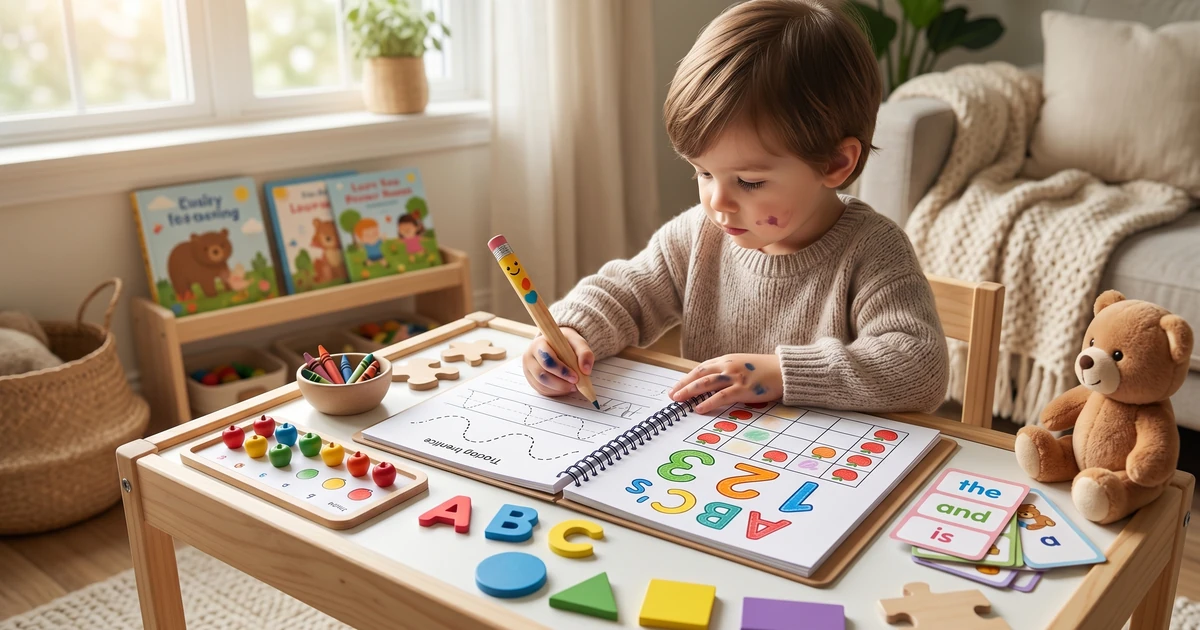
Kindergarten Readiness Worksheets: 8 Essential Preschool
Download kindergarten readiness worksheets covering writing, sounds, numbers, and more. Help your child build skills with printable sheets designed...
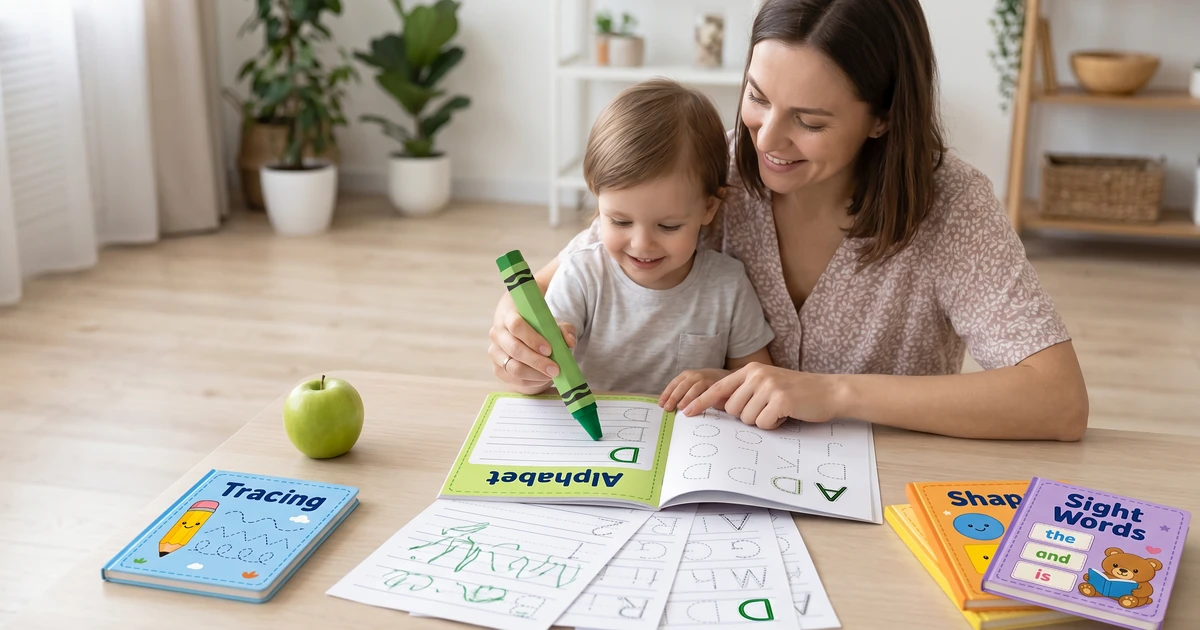
Alphabet Tracing for 3 Year Old: 5 Mistakes Parents Make
Alphabet tracing for 3 year olds is one of the most effective ways to build early literacy and fine motor skills at the same time. But here's what ...
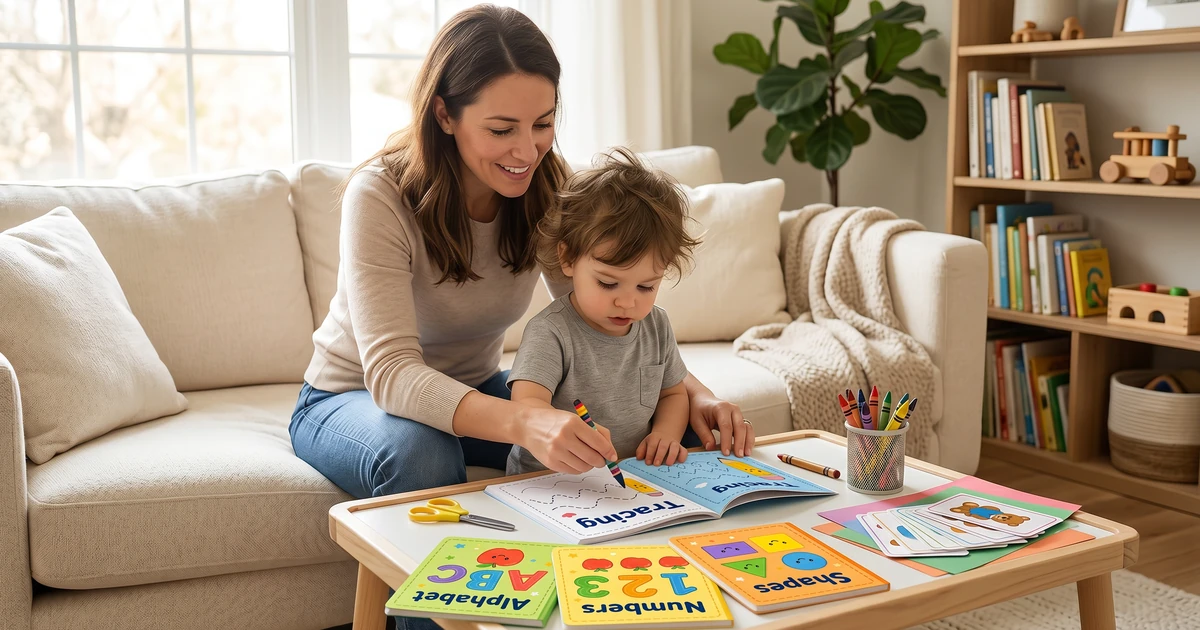
Preschool Printables Bundle: The Only 5 Skill Areas Your Child Needs
If you've been searching for a preschool printables bundle that covers more than just coloring pages, you're in the right place. I've spent 40+ hou...
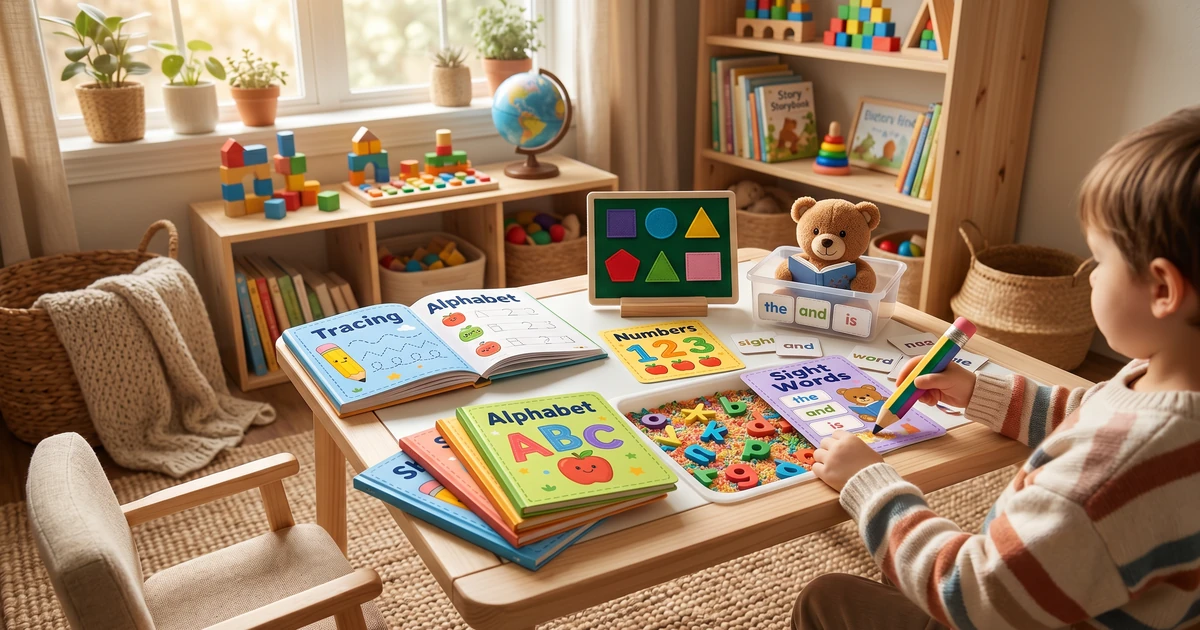
7 Screen-Free Preschool Learning Activities That Actually
If you've been searching for screen-free preschool learning activities that hold a 3-to-5-year-old's attention for more than four minutes, you're i...