
Play Based Learning for Children: How to Start
By KubbyLab Team · Updated
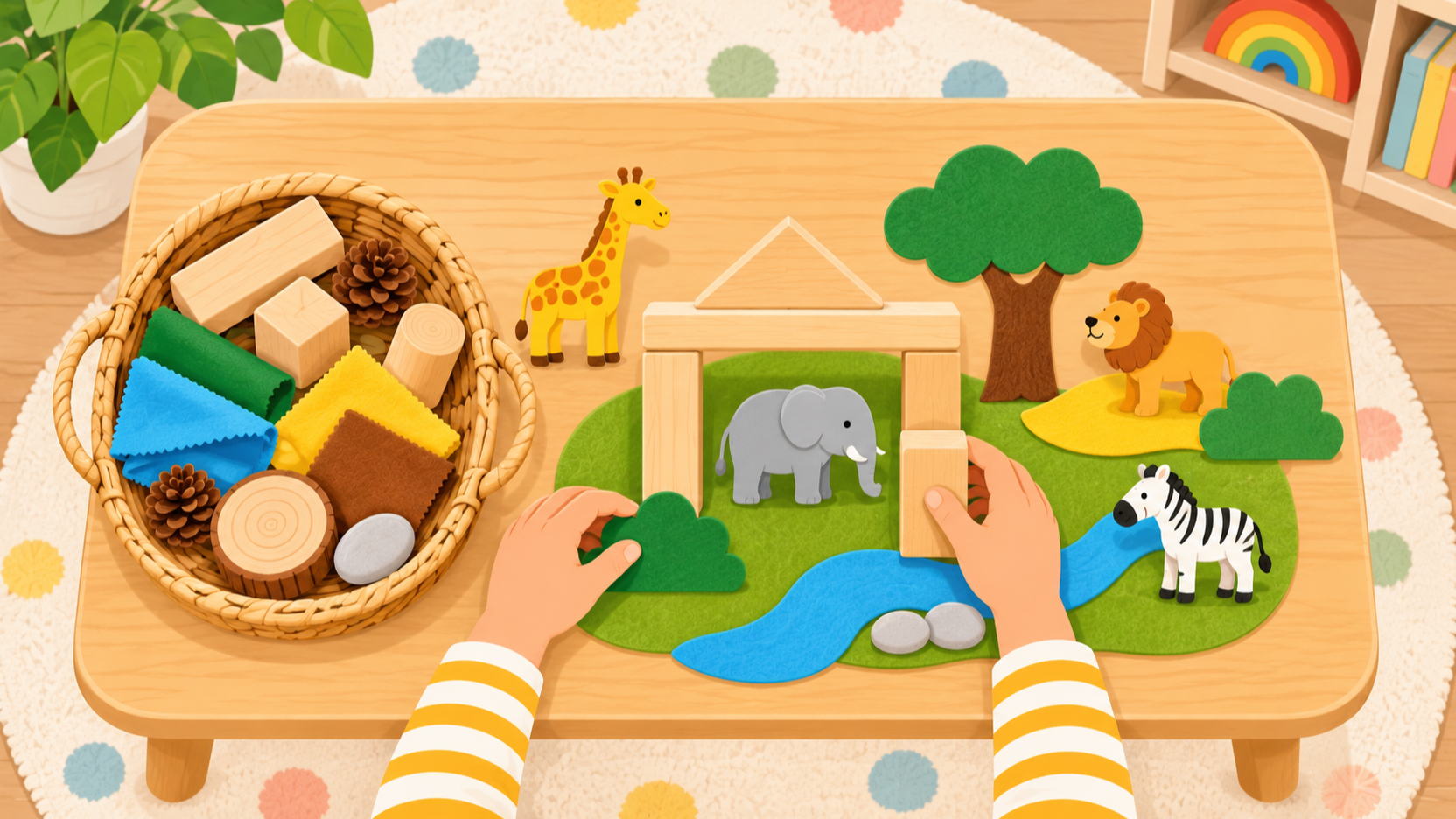
Play based learning is a teaching approach that gives children a reason to count, talk, draw, build, and solve problems through play they can help direct. To try it with a preschooler or kindergartner, set out familiar materials, let the child decide what to do with them, and join when you see a natural opening to practise a skill.
Key Takeaways
- In free play, the child sets the direction. In guided play, the adult has a learning goal and the child still makes meaningful choices.
- Pick one thing to notice, such as whether the child gives each toy one plate, and let the rest of the play unfold.
- Use a printable when the game calls for one. A menu gives writing a purpose when somebody needs to place an order.
- Record the child’s words or actions and the help you gave. Use that note to decide what to offer next time.
What is a play-based pedagogical approach?
A play-based pedagogical approach is a way of teaching in which children explore ideas through activities they can help shape, such as building a bridge or running a pretend shop. Adults choose materials, make room for play, and decide when to wait, join in, or teach a specific skill.
In free play, a child decides what to play and how. Given blocks and toy animals, the child might build a fence, arrange the animals by size, or invent a path to the barn. An adult can keep the materials within reach and help children share space while leaving the plan in their hands.
In guided play, an adult sets up an opportunity to practise something and leaves choices open. For example, you might ask whether the toy horse can fit through the gate. The child can choose the blocks, widen the gate, turn the horse, or build a different entrance. The goal is to compare sizes. The child decides how to solve the problem.
In direct instruction, the adult demonstrates or explains a specific skill. You might show where to start a letter when a child asks how to put a name on the barn. A short demonstration can fit inside a longer stretch of play. I use a simple check when planning an activity at KubbyLab. If I give the directions and choose every move, I call that part a lesson. When the child decides what happens next, there’s room for play.
What skills can children practise through play?
Learning through play gives children reasons to use early reading, writing, maths, and social skills in a situation they can understand. A pretend cafe can give a child a reason to explain an order, count out cups, recognise a name on a sign, or ask for a turn with the pencil.
Early literacy includes the language, print, and writing experiences that come before and alongside reading. Put blank paper near a pretend kitchen and a child can draw the soup of the day, dictate a sign, or write the first letter of a customer’s name. The drawing or mark has a job. It tells someone else what’s available or whose order is ready. The National Association for the Education of Young Children describes ways to make reading and writing part of a preschool play environment. NAEYC’s guide to playful preschool literacy.
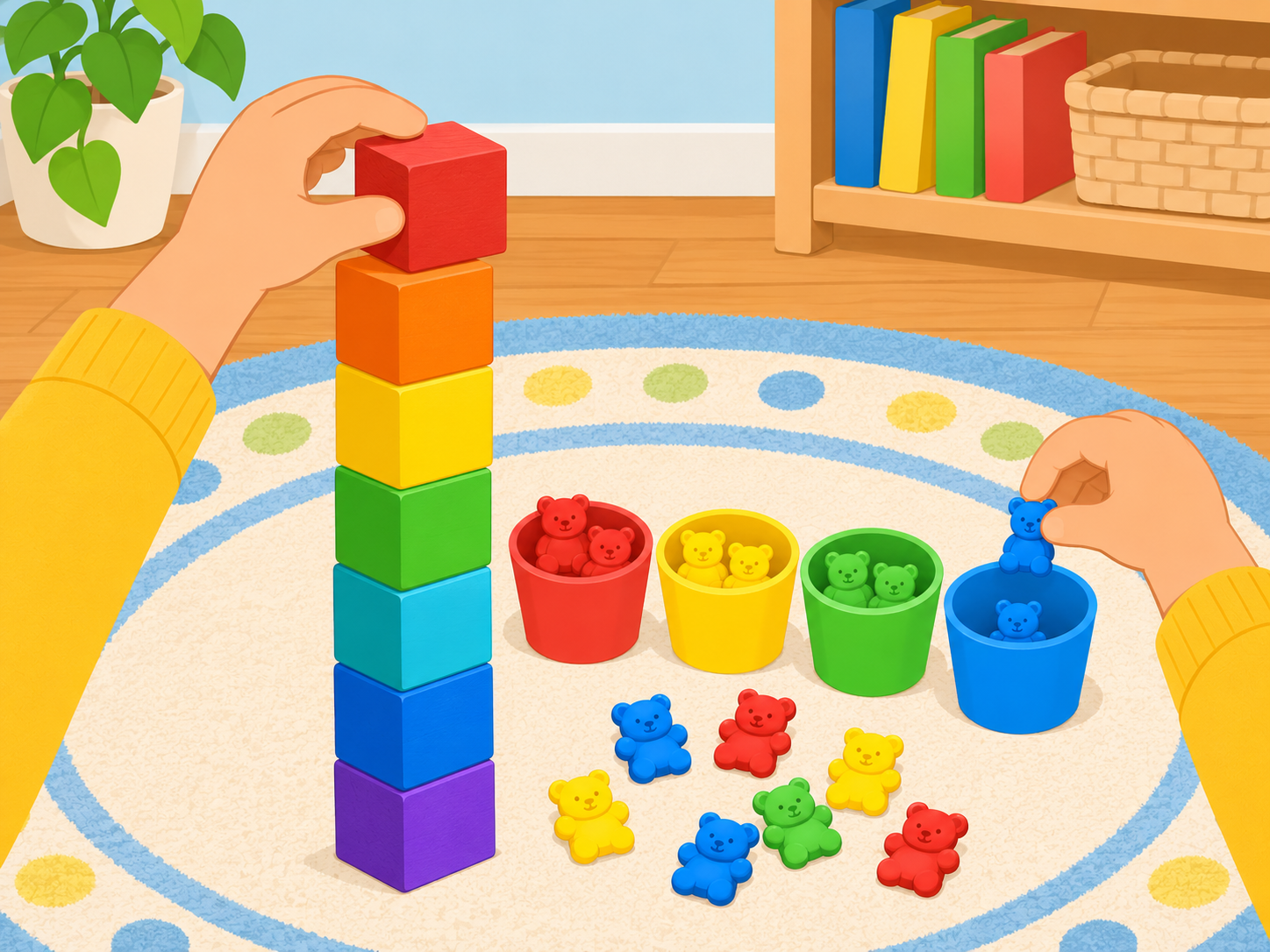
One-to-one correspondence in counting means giving each object one number word. At a toy picnic, a child can touch each plate while saying a number, then give one plate to each guest. If someone is left without a plate, the child has a reason to check the arrangement.
Play can also give children something specific to negotiate. If two children want to be the shopkeeper, you can help them name the problem and hear each other’s plan. They might take turns or decide the shop has two counters. What matters for your observation is how they reached that decision and what help they used.
Which types of play fit your learning goal?
Choose a type of play by asking what you want your child to have a chance to do. Building gives children objects to measure and rearrange. Pretend play gives them roles to talk through. Movement play makes directions physical, and a game with simple rules offers a reason to follow a shared plan.
| Type of play | What it looks like | What you can look or listen for |
|---|---|---|
| Functional play | A child repeats an action, such as rolling a ball down a ramp. | The child changes where the ball starts and compares where it stops. |
| Constructive play | A child builds a garage from blocks or folds paper into a tent. | The child chooses a longer piece or changes a support when the structure tips. |
| Dramatic play | A child takes a pretend role, such as cook, customer, or bus driver. | The child explains a role, makes a sign, or uses a prop to carry the story forward. |
| Games with rules | Children agree on how a beanbag game or matching game works. | A child remembers whose turn comes next or explains a rule to another player. |
A single activity can move across the table. A child who rolls a car down a ramp might build a tunnel, pretend to collect a ticket, and invite you to take turns driving through. Follow the part the child wants to repeat. For spaces where the play needs to stay indoors, see indoor active play ideas for rainy days.
How does a play-based preschool curriculum work?
A play-based curriculum is a plan for what children will have opportunities to practise through play and how adults will support that practice. A preschool teacher might plan for children to compare lengths, set out blocks and strips of paper, then see how children use those materials during a building project.
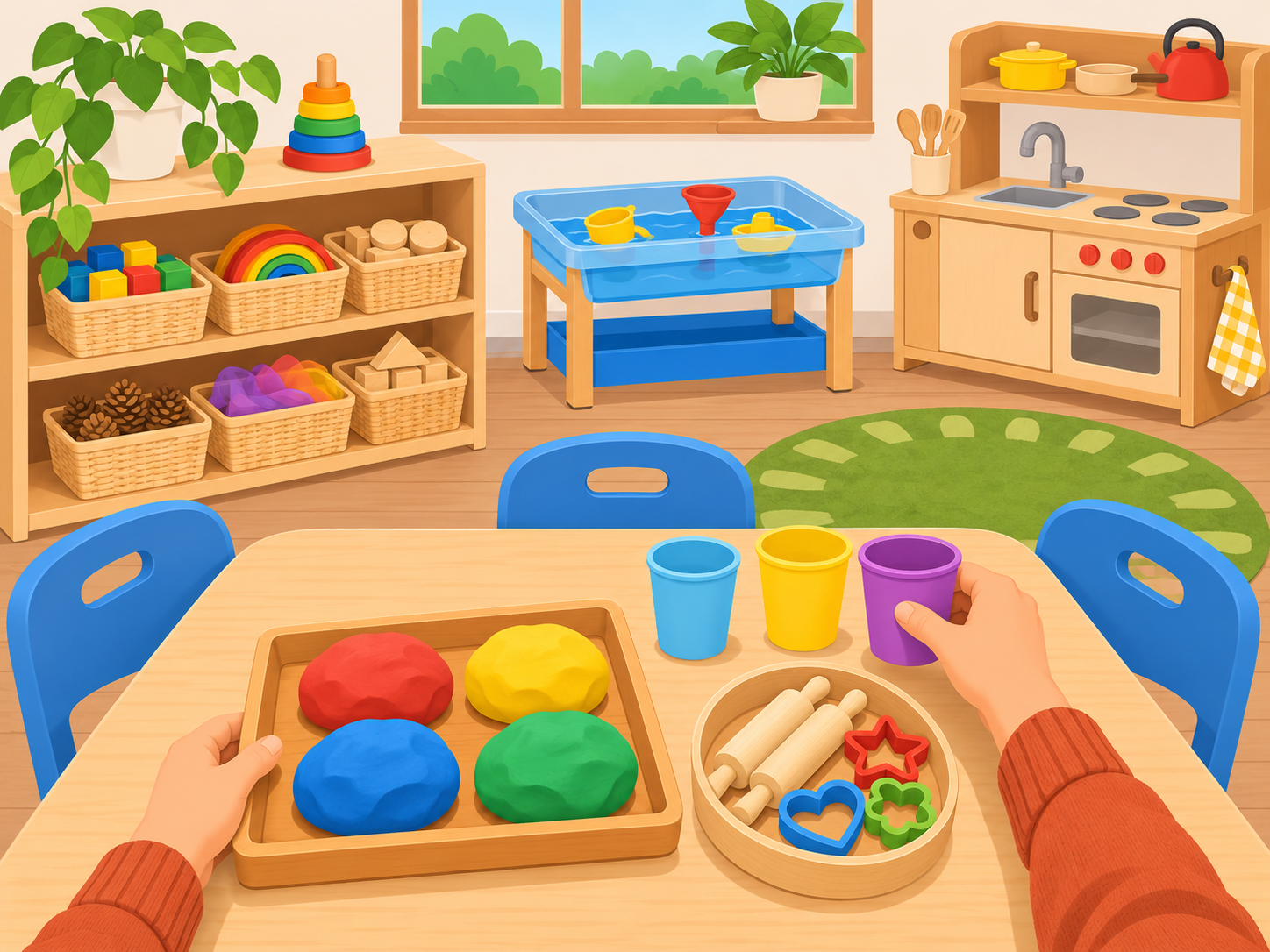
A classroom can make that goal visible in different parts of the day. During arrival, a child might choose the block area and start a road. At a group gathering, the teacher can share a picture book about a bus route and listen to children describe where the bus goes. Outside, children can draw roads with chalk. A small group can later compare strips of paper laid beside their block roads. A child who wants to keep building can return to the road and use the strips there.
The curriculum connects those experiences without requiring every child to make the same thing. If a child turns a planned road into a river, the teacher can offer a piece of paper to check how far a bridge would have to reach. The learning goal remains useful because the child has a reason to compare lengths.
For a classroom visit or a homeschool plan, look for where a child can return to unfinished work. A shelf for a block model, a drawing of the road, or a note with the child’s plan gives the next play period somewhere to start. The guide to a play-based preschool curriculum goes further into planning the day.
What is intentional teaching during play?
Intentional teaching means choosing an adult action for a clear learning purpose and adjusting that action to what the child does. During play, an adult might wait, describe a discovery, offer a material, or show a technique. The choice depends on what the child is trying to do and where help would fit.
Imagine a child sorting toy animals into pens. Pause to see how the child decides where each animal goes. You might say, “You put all the animals with wings here.” That gives the child words for the grouping you’ve seen. The child may explain that those animals are waiting for food. Use that explanation to decide what to offer next. A spare bowl might fit the feeding plan better than a question about sorting.
A small prompt can help when there’s a real problem. If the child has one bowl and two pens, you might ask where to put the bowl so both groups can reach it. Give the child room to move the bowl or draw another one. A demonstration is useful when the child wants a tool or technique, such as how to fold a piece of paper so a sign stands up. Show the fold and hand the paper back.
One planning sentence is enough for this example. Write “Listen for how the child explains where each animal goes.” It names something you can hear and leaves the child free to decide what the pens are for.
How can you start play based learning at home?
Start with a game your child can recognise and give the materials a job inside that game. A pretend pizza shop can use a paper plate, drawings of toppings, and a pencil. Let your child choose a role, then place an order that gives the child a reason to count or make a mark.
- Set out the props. Put a paper plate and drawings of toppings on the table. Leave blank paper within reach for a sign or order slip.
- Join the child’s version of the game. If your child wants to be the cook, be the customer. If the restaurant becomes a delivery counter, order a pizza for a toy animal.
- Give the order a reason to be written down. Ask for three mushrooms and say the cook can put the order on paper. The child can draw three marks, make a picture of a mushroom, or ask you to write the order.
- Check the pizza together. Put the order beside the plate so the child can move each topping next to a mark. Leave the pencil and plate available if the child wants to take another order.
Picture the plate empty and the order unwritten. You ask for three mushrooms, and your child draws three marks. As the pizza comes together, the child slides one topping beside each mark. The scrap of paper is the cook’s way to check the order. That’s a job an optional printable menu or order slip can do. Keep the pretend cooking as the main activity and let the paper come out when the game calls for it.
How do you assess learning during play?
Play-based assessment means observing what a child says or does during play and using that evidence to plan what to offer next. A useful note names the activity, records the child’s action or exact words, and says what help the adult gave, so you can interpret what you saw in context.
In the pizza shop, a useful observation would be “Placed three mushroom drawings beside three marks after I asked where each topping could go.” That note captures the match and the prompt. “Can count to three” leaves out what the child counted, whether the child said the number words, and how much help was available. If you want to observe spoken counting, listen for one number word per topping the next time the child serves an order.
In a classroom, you might keep an observation record, a short written account of what happened, alongside a dated drawing or order slip. At home, a line in a notebook is enough for planning. Revisit the same idea with different materials. If the child matched toppings to marks on an order, you could set out cups and toys at a pretend picnic and see how the child decides whether every toy has a cup.
Children can show what they know through actions, gestures, drawings, or words. Record the form the response took. A child who points to an empty place setting has identified a gap, which gives you something concrete to follow up on. The guide to play-based assessment explains how to turn observations into teaching decisions.
Why isn’t every kindergarten play-based?
Kindergarten schedules can give play very different amounts of space. A school may devote blocks of the day to teacher-led reading and maths, with play scheduled in centers or outdoors. To understand what your child’s day looks like, ask when children get to choose materials, make decisions, and return to their work.
A classroom can use a teacher-led letter demonstration and still make room for children to use letters for their own purposes. During a shared lesson, a teacher shows how to form a letter. Later, a child can choose to write that letter on a bus ticket or ask the teacher for help spelling a destination. Compare who makes the decisions in each part of the day. That gives you a more concrete picture than the program label.
The Centers for Disease Control and Prevention includes “Pretends to be something else during play” in its milestones for age 4. That description gives families a concrete example of what pretend play can look like. A milestone describes an action you can notice, while a kindergarten schedule describes the opportunities a school sets up. CDC milestones for age 4.
At home, the play can follow the materials and interests your child brings to the table. A younger child might hand you a paper ticket and point to the bus. A child in early first grade might add stops and draw a route. Each child can direct a version of the same game, and you can offer the kind of reading, counting, or writing help that game calls for.
In this guide
Indoor Active Play Ideas for Kids on a Rainy Day
Find 10 indoor active play ideas for kids on a rainy day, from freeze dance to sock rolls, with options for small spaces and preschool groups.
Play Based Assessment: What to Watch During Play
Use play based assessment to see what preschoolers know. Try five observation steps and turn a short play note into your next teaching move.
Play Based Preschool Curriculum You Can Plan at Home
Plan a play based preschool curriculum around your child's interests, with a sample week for early literacy, counting, and hands-on play.
Keep reading
Kindergarten Readiness Worksheets: 8 Skills to Practice
Choose kindergarten readiness worksheets for eight preschool skills. Use the printable checklist to pair each page with a hands-on activity.
Play Based Assessment: What to Watch During Play
Use play based assessment to see what preschoolers know. Try five observation steps and turn a short play note into your next teaching move.
Preschool Fire Truck Activities From Craft to Play
Try preschool fire truck activities with paper plates, toy trucks and simple worksheets. Turn one truck into a prop for counting, storytelling and play.
Alphabet Tracing Printables: A Parent's Guide
Choose alphabet tracing printables, teach letter strokes, and adapt practice with clear examples for preschool and kindergarten.
More guides
Kindergarten Readiness Worksheets: 8 Skills to Practice
Choose kindergarten readiness worksheets for eight preschool skills. Use the printable checklist to pair each page with a hands-on activity.
Alphabet Tracing Printables: A Parent's Guide
Choose alphabet tracing printables, teach letter strokes, and adapt practice with clear examples for preschool and kindergarten.
Shop the topic
-
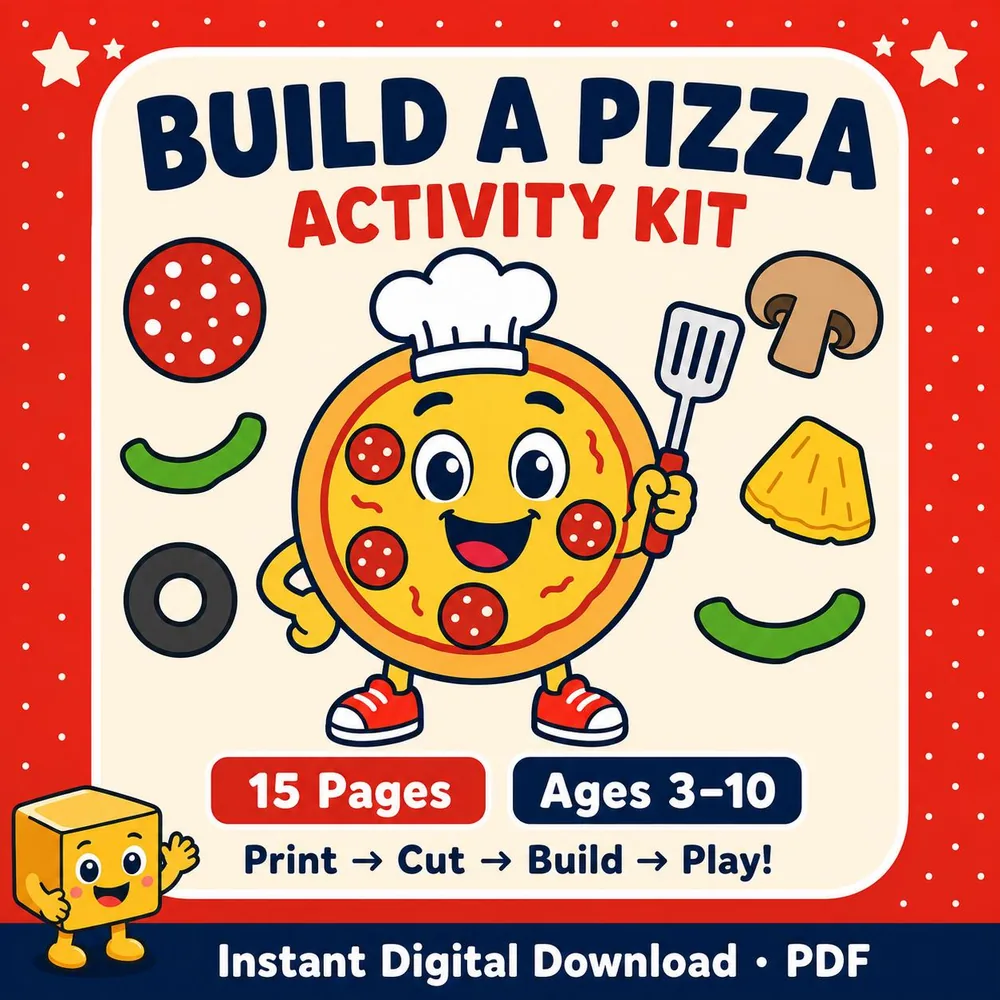
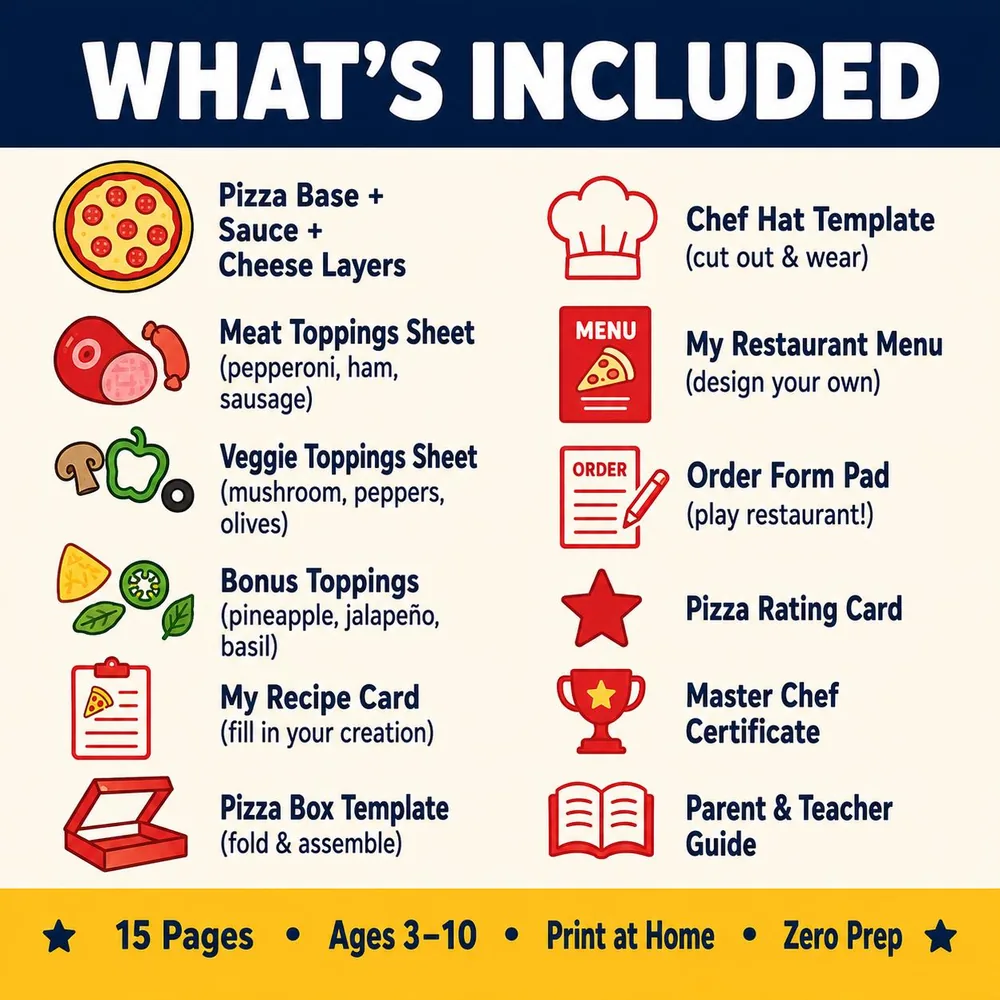
Pizza Chef Pretend Play Kit
15-page pizza pretend play kit: build-your-own pizza, restaurant role play, chef hat, menu and certificate.
$7
Get this product View details -
Preschool Science Facts: Did You Know?
50 'Did You Know?' science pages: one concept per page, visual learning, zero prep.
$7
Get this product View details -
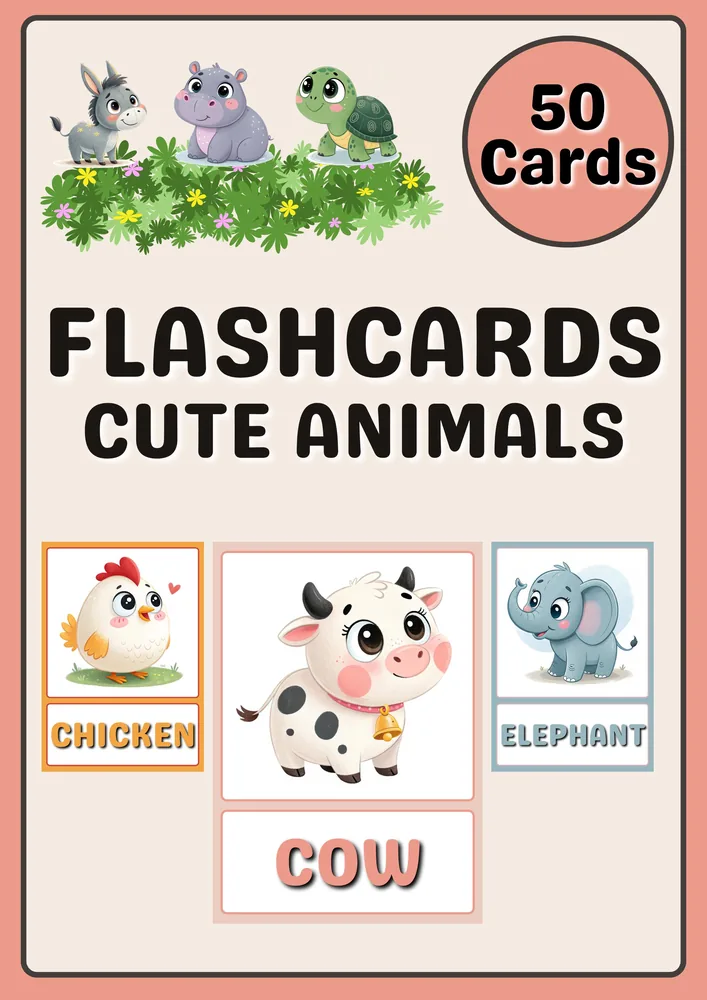
Animals Flashcards for Kids: 50 Cards
50 printable animal flashcards with cute illustrations: builds vocabulary, memory, and visual recognition.
$7
Get this product View details
Frequently asked questions
What is a play-based pedagogical approach?
A play-based pedagogical approach is a way of teaching that lets children explore ideas through play they help direct. A teacher who wants children to compare lengths might set out long and short blocks, then let the children decide what to build and how to solve problems with the pieces.
What are the four types of curriculum in early childhood?
In a common four-part framework, curriculum is described as explicit, implicit, null, and extracurricular. Explicit curriculum is planned teaching, implicit curriculum is what children learn from routines and interactions, null curriculum refers to what is left out, and extracurricular activities sit outside the regular program. These labels describe aspects of schooling and can overlap.
What is intentional teaching in play-based learning?
Intentional teaching means choosing when and how to help based on a learning goal and the child's actions. During a block game, an adult might wait while the child tries a different base, then offer wider blocks if the child wants the tower to stand. The child still decides how to build.
Why isn't kindergarten play-based anymore?
Kindergarten programs vary, and some give more of the day to scheduled reading and maths lessons. Ask the teacher to describe a typical day and point out when children choose an activity, make their own decisions within it, or return to something they started. Those details tell you how play fits into the schedule.
Can worksheets be part of play-based learning?
A worksheet or printable can be part of play-based learning when it helps a child do something inside the game. An order slip can help a pretend cook remember what a customer asked for. The child can dictate the order, draw it, or write it and then return to the game.