
Play Based Preschool Curriculum You Can Plan at Home
Part of: Play Based Learning for Children: How to Start
By KubbyLab Team · Updated
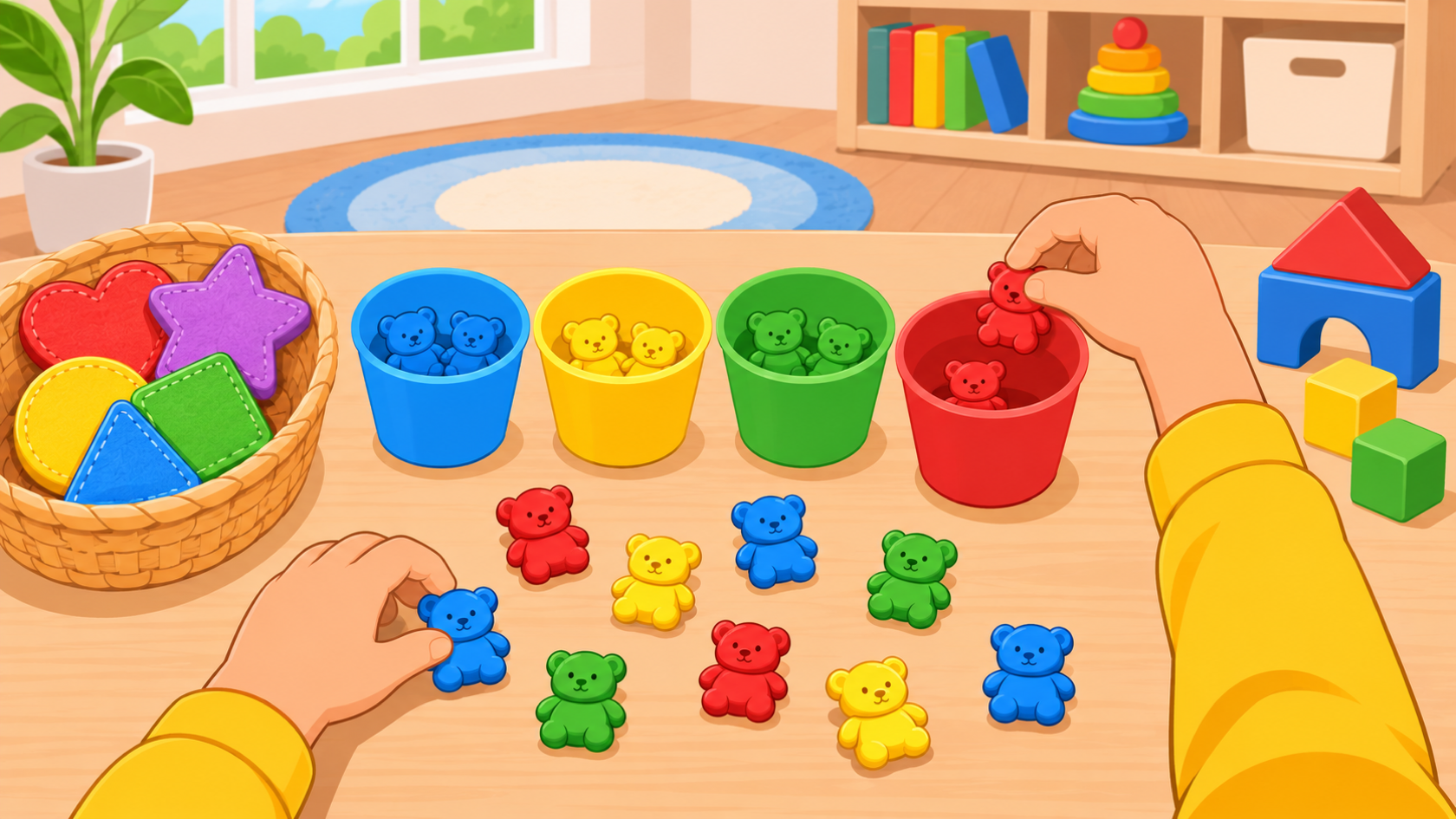
A play based preschool curriculum is a plan for teaching through activities children can help direct. To build one at home or in preschool, pick a skill you can see or hear, set out materials that give the skill a purpose, and watch how children use them. A pretend delivery route, for example, gives a child a reason to count packages and read picture labels.
Key Takeaways
- Give each play setup one skill to watch for, such as matching a package label to a picture on a box.
- Protect time for children to choose what to do. Join briefly when a prompt or prop could help the play continue.
- Keep a setup available across several days so children can return to an idea and try it another way.
- Use a printable when it has a job in the game, such as a delivery slip a child can draw on or dictate.
What is a play-based curriculum in early childhood?
A play-based curriculum in early childhood is a plan that pairs learning goals with time for children to explore and make choices. Adults prepare materials and watch for specific skills during play, such as describing where an object belongs, while children decide how to use the materials or develop the story.
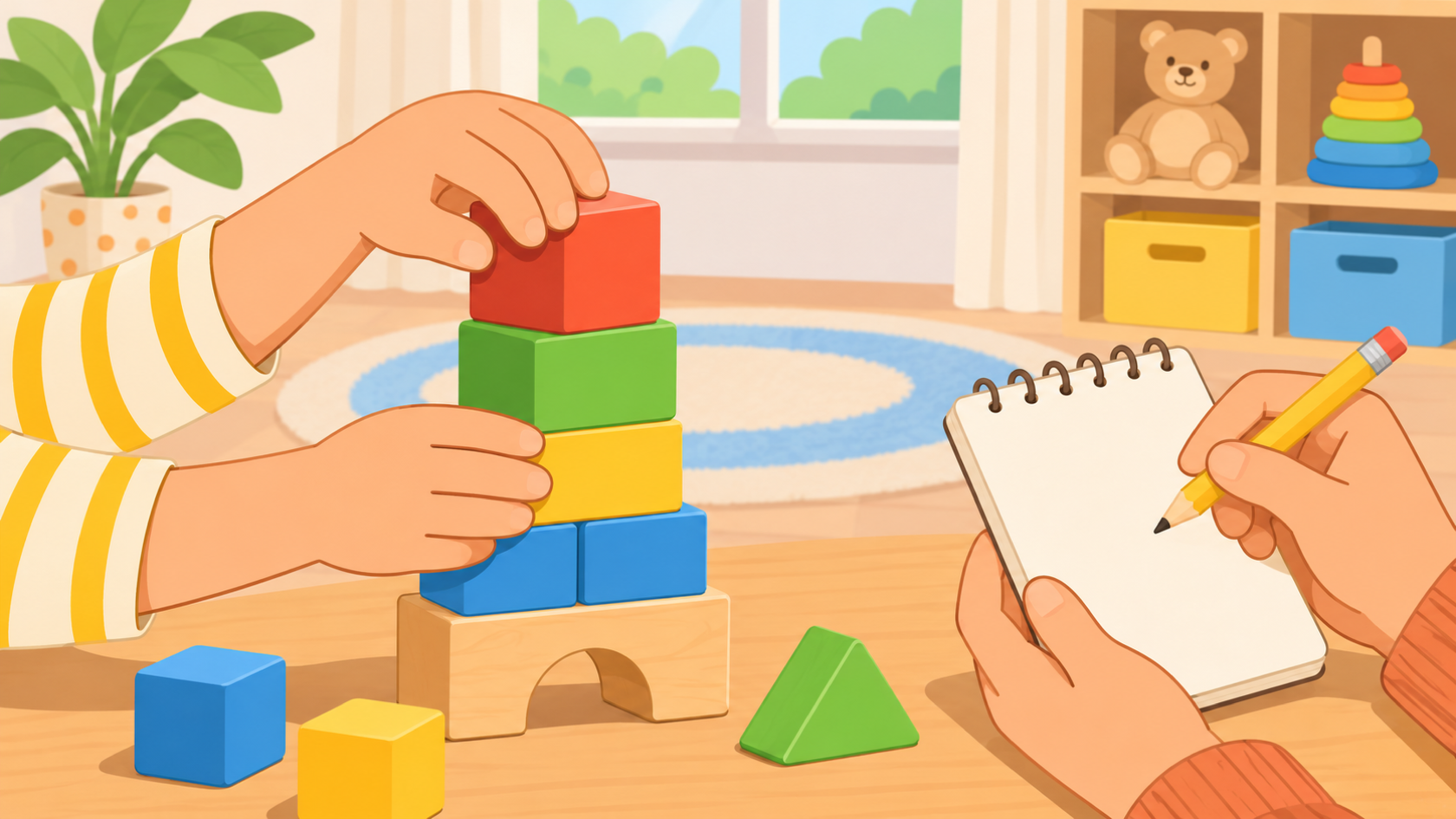
A learning goal says what you hope to see or hear. For block play, try ‘uses a position word to describe where a block goes.’ If your child puts a truck beneath a bridge, you might say, ‘The truck went under the bridge.’ Leave the truck in their hands so they can decide where it goes next.
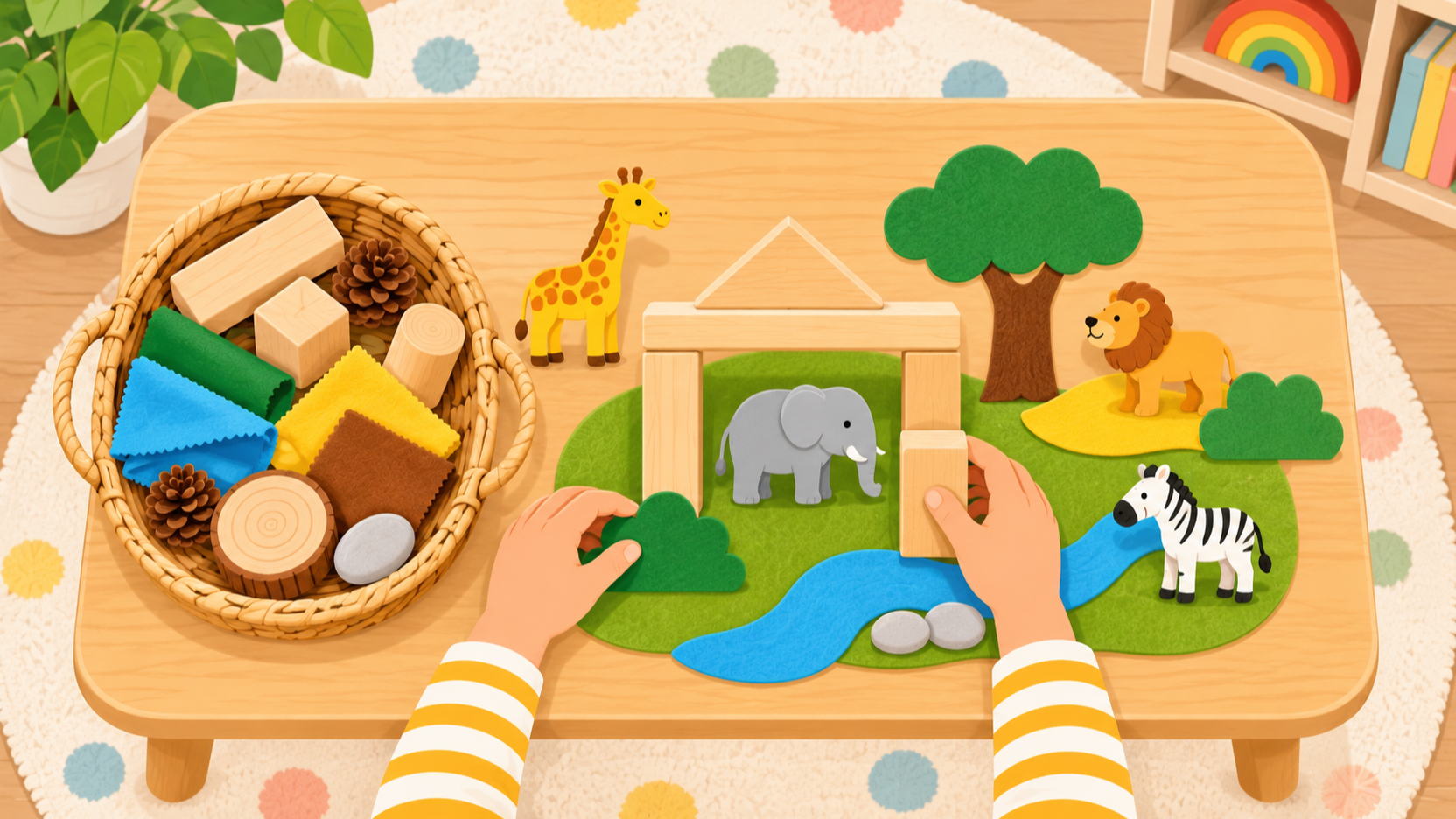
In a classroom, the plan might include learning centers, which are places set up for different activities, such as a block area, a book nook, or a pretend kitchen. At home, a basket of blocks and two boxes on the floor can do the job. Plan where the materials will stay so your child can return to a building or a story after snack.
For a broader look at how adults can join play, see Play Based Learning for Children: How to Start.
A play based preschool curriculum can also include a read-aloud or a brief adult demonstration. If you read a story about parcels, pause over a picture so your child can describe what they see. Leave the book beside the boxes afterward. Your child might bring an idea from the picture into the game or use the book as a parcel for a pretend customer.
What types of play belong in a preschool curriculum?
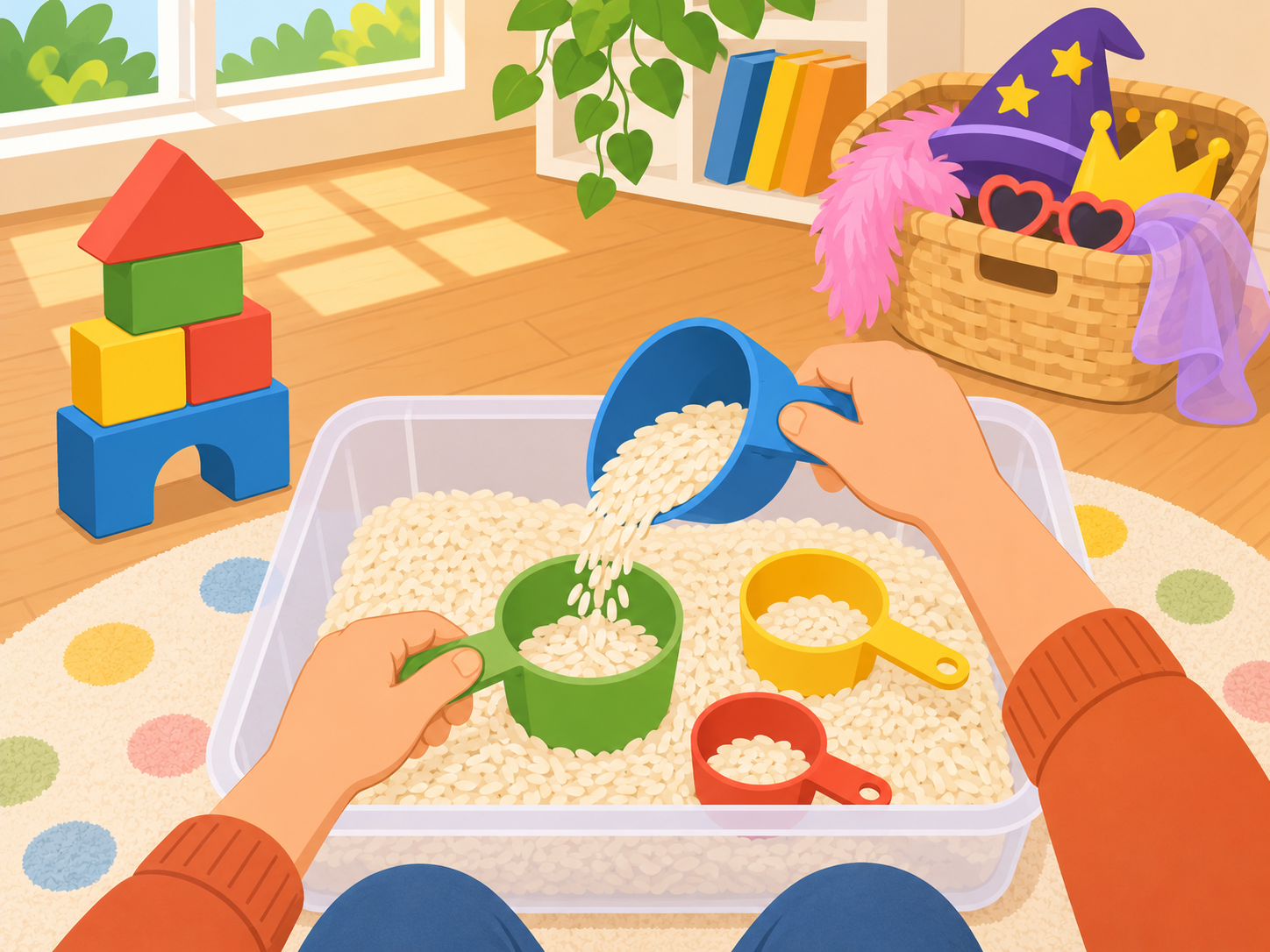
A preschool play plan can include pretend play, construction play, sensory exploration, active play, and games with simple rules because each gives children something different to do. Compare those forms by the actions they invite, then decide when to leave the choices to the child and when to offer a prompt.
| Type of play | What the child does | How an adult can join |
|---|---|---|
| Pretend play | Takes a role, such as a driver or customer, and acts out a delivery | Play the customer and describe where the parcel should go |
| Construction play | Builds a bridge with blocks and tries different supports | Offer a wider block if the child wants help with a bridge that keeps tipping |
| Sensory play | Fills and empties cups in a shallow tray of water with an adult nearby | Put out a sponge and let the child decide how to move water with it |
| Active play | Steps along a floor route or carries a light box to a pretend doorstep | Offer a clear path and let the child choose how to travel it |
| Play with simple rules | Takes turns rolling a ball or follows a stop-and-go signal | Demonstrate the rule once, then let the child give the signal |
In free play, the child chooses what to do and how the activity proceeds. In guided play, the adult offers a goal or prompt and the child retains meaningful choices. A child can build a bridge in either mode. The moment you offer a truck and invite them to find a way across, you’ve added a problem they can solve their own way.
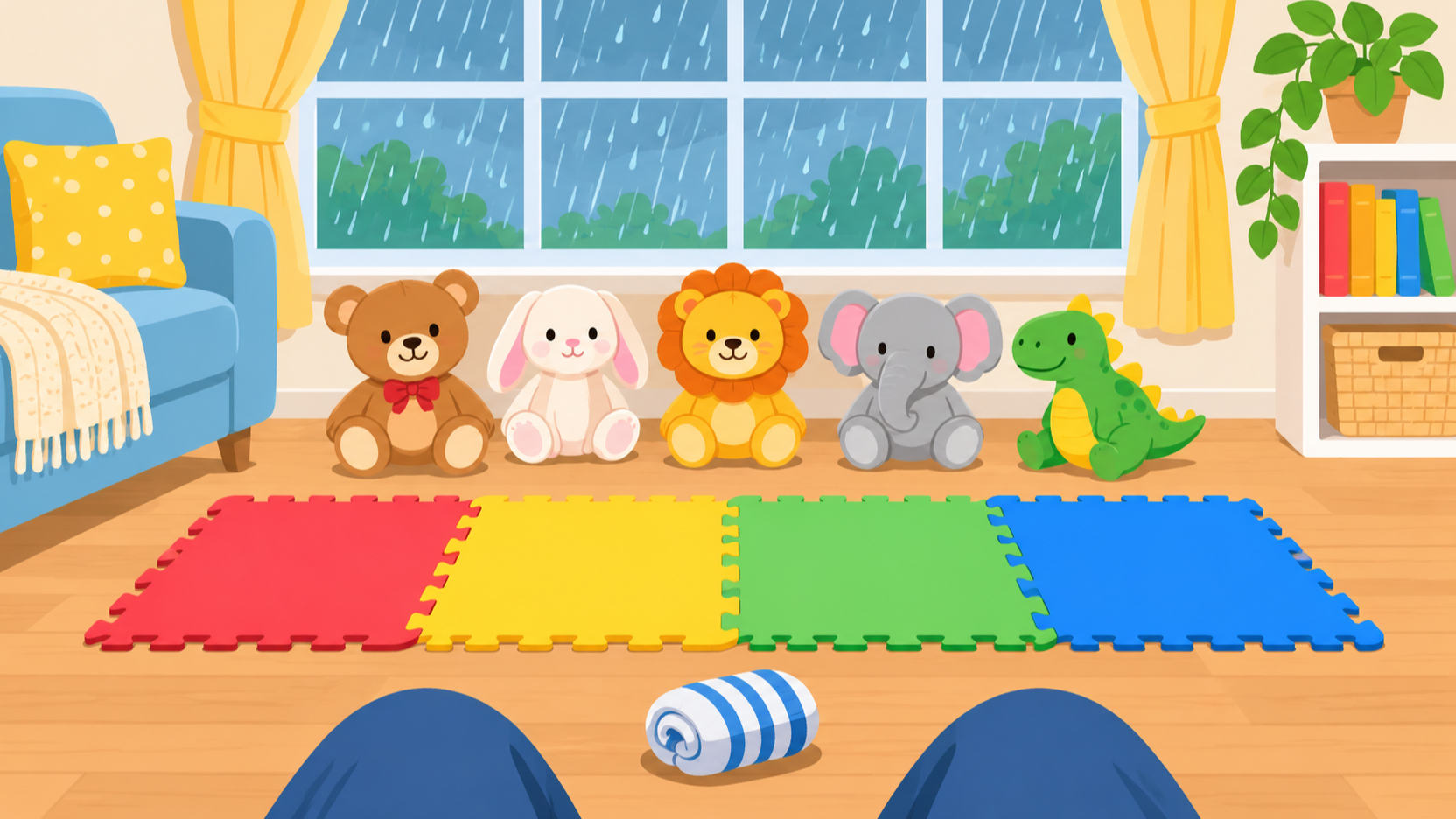
If outdoor time moves inside, try Indoor Active Play Ideas for Kids on a Rainy Day.
How do you plan a week of play-based preschool?
To plan a week of play-based preschool, choose a play setup your child can return to and write down one action you’d like to observe. Keep the main props available, then change one detail when your child has a reason to use it, such as adding a second address to a delivery game.
- Pick the goal. For a delivery game, start with one-to-one correspondence, which means matching one counting word to each object. Use an order for two parcels. Watch for your child to move one parcel as they say ‘one’ and the next as they say ‘two.’
- Put out the props. Use empty boxes as parcels and mark two delivery spots with different pictures. Set paper and crayons nearby for any signs or order slips the game needs.
- Start with a role. Be a customer and ask for two parcels at the door with the tree picture. Give your child room to decide how to carry them and what counts as a delivery.
- Change the setup from what you see. If a parcel gets counted twice, offer a basket for parcels that have already been counted. If counting goes smoothly and the child wants another customer, give the second door its own order.
Picture the floor before the game starts. There are parcels in a pile and two doors with picture signs. You take an order and set a basket beside the pile. Your child moves each counted parcel into the basket. At the door, you can both see which parcels went on that delivery.
I like to keep the original props out for the next round. A child who turned the delivery boxes into a bus may have given you a better reason to count: seats for the passengers.
Where do literacy, math, and printables fit in preschool play?
Literacy and math fit into preschool play when children have a reason to use words, marks, or numbers. A delivery driver can match a picture label to an address, count parcels for a customer, or dictate a message for a closed door. A printable can give that message a place to go.
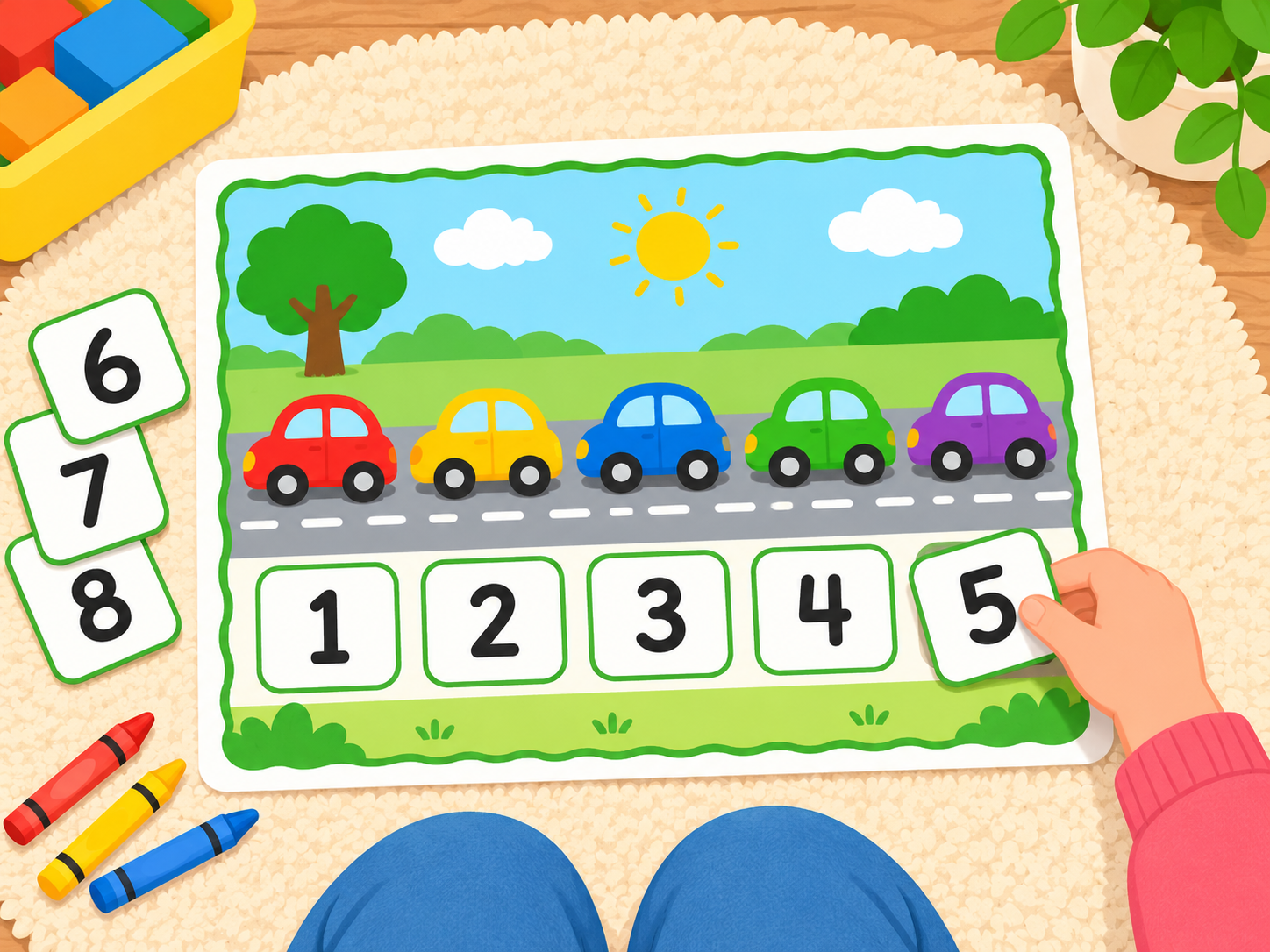
Early literacy includes the reading, writing, speaking, and listening children practice before they read and write independently. Preschool teacher educators Christina Mirtes and Jessica Grimone-Hopkins recommend that adults “model writing for different purposes.” Their examples include signs, menus, and order slips in pretend play. National Association for the Education of Young Children.
For the delivery game, draw a tree next to the word ‘tree’ on a door sign. Read the word aloud while pointing to it. Matching two tree pictures shows the child can use the picture as a clue. If the child notices the letter T elsewhere in the game, name it and say its sound in ‘tree.’
When a customer orders two boxes, invite the driver to set out the boxes and check the order. If the driver wants to leave a note, offer a half sheet of paper or a printed slip with room for a picture. Read back any message the child dictates so they can hear their own words on the page.
Printables fit alongside the game as optional props. A page can hold an address or a message. Children need the boxes, the route, and someone to deliver to for the play itself.
How do you adapt play-based preschool for a 2-year-old?
A good play plan for a 2-year-old starts with an everyday action the child can repeat, such as putting a large toy in a box or carrying it to an adult. Use age-appropriate materials, stay nearby, and let the child take part through movement, gestures, sounds, or words.
Set an empty box on the floor and offer a large soft toy. Put the toy inside, say ‘in,’ and pause. Your child might take the toy back out, push the box toward you, or bring another toy over. Follow that action with a few words. If the box turns into a bed, tuck the toy in and see how your child responds.
You can use the same materials with an older preschooler. Give the older child a picture label to match to a delivery spot, while the younger child carries the parcel. If both children want the same job, put out another box so they can each make a delivery. You can take the parcels at the door and describe what each child brought.
Keep a place nearby where either child can draw or look at a book. I’d leave any order slip on the adult’s side of the game for a toddler. If the child points at a parcel, say what you think they’re asking for and give them a moment to respond. Play can carry on from a nod, a reach, or another trip to the box.
How can you tell if a preschool play curriculum is working?
To see how a preschool play curriculum is working, watch for the action you planned and write down what the child did, what help they used, and what you could offer next. Revisit the skill in another round of play so you can see how the child uses it when the setup changes.
This is play-based assessment, or observation during play that helps you decide what to teach or change next. A sample note might read, ‘Moved two boxes into the basket after I pointed to each box.’ On the next round, you could keep the basket in place and wait before pointing. For more examples, see Play Based Assessment: What to Watch During Play.
Use the same lens when visiting a preschool. Ask the teacher to describe a recent block or pretend-play activity, what a child did with the materials, and what the teacher offered next. Ask where children can keep a project they’d like to come back to. The answers show what the curriculum looks like during the day.
As your child approaches kindergarten, include routines such as taking turns and asking for help in your observations. The American Academy of Pediatrics includes listening, cooperation, movement, early language, literacy, and math in its discussion of school readiness. American Academy of Pediatrics on HealthyChildren.org.
Start your next play session with the materials your child already returns to. Pick one action to watch, and let that observation guide your next setup.
More in this series
Indoor Active Play Ideas for Kids on a Rainy Day
Find 10 indoor active play ideas for kids on a rainy day, from freeze dance to sock rolls, with options for small spaces and preschool groups.
Play Based Assessment: What to Watch During Play
Use play based assessment to see what preschoolers know. Try five observation steps and turn a short play note into your next teaching move.
Keep reading
Play Based Assessment: What to Watch During Play
Use play based assessment to see what preschoolers know. Try five observation steps and turn a short play note into your next teaching move.
Play Based Learning for Children: How to Start
See how play based learning works in preschool and kindergarten, and try a pretend pizza shop that gives children a reason to count and write.
Indoor Active Play Ideas for Kids on a Rainy Day
Find 10 indoor active play ideas for kids on a rainy day, from freeze dance to sock rolls, with options for small spaces and preschool groups.
Kindergarten Readiness Worksheets: 8 Skills to Practice
Choose kindergarten readiness worksheets for eight preschool skills. Use the printable checklist to pair each page with a hands-on activity.
Shop the topic
-
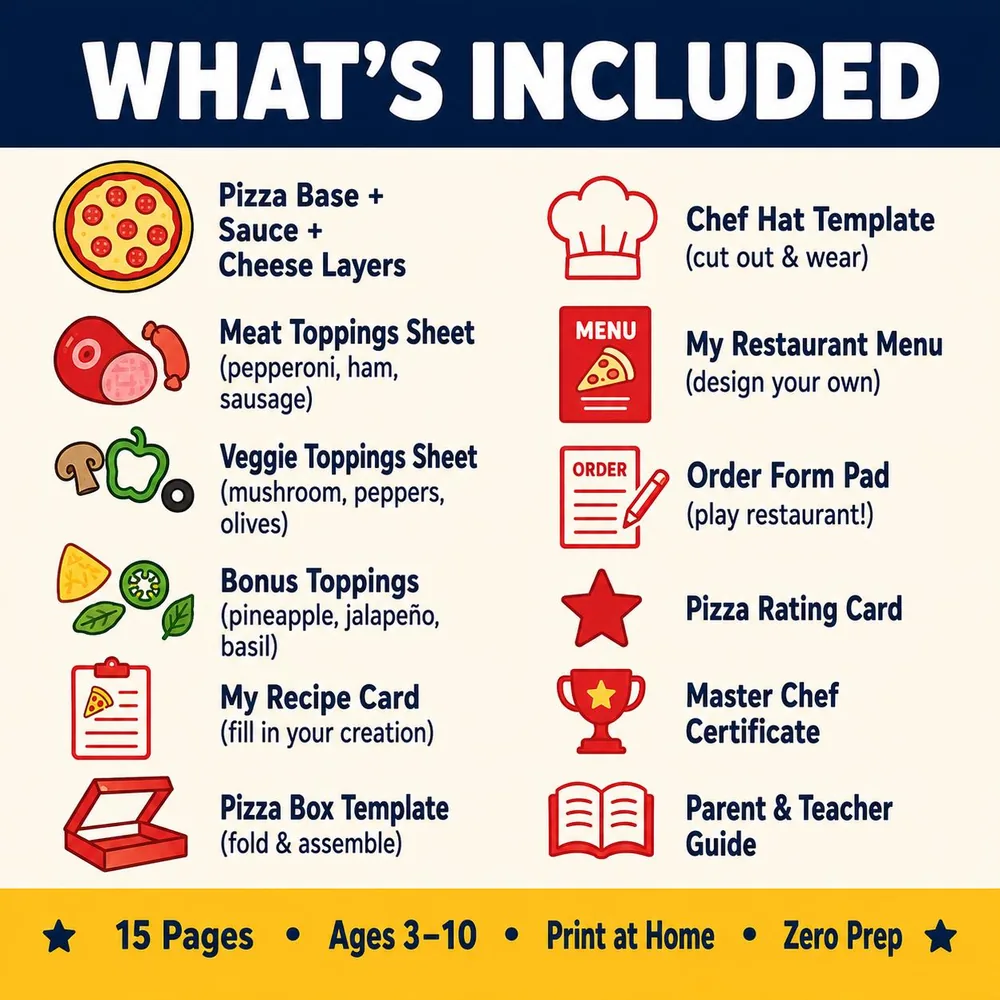
Pizza Chef Pretend Play Kit
15-page pizza pretend play kit: build-your-own pizza, restaurant role play, chef hat, menu and certificate.
$7
Get this product View details -
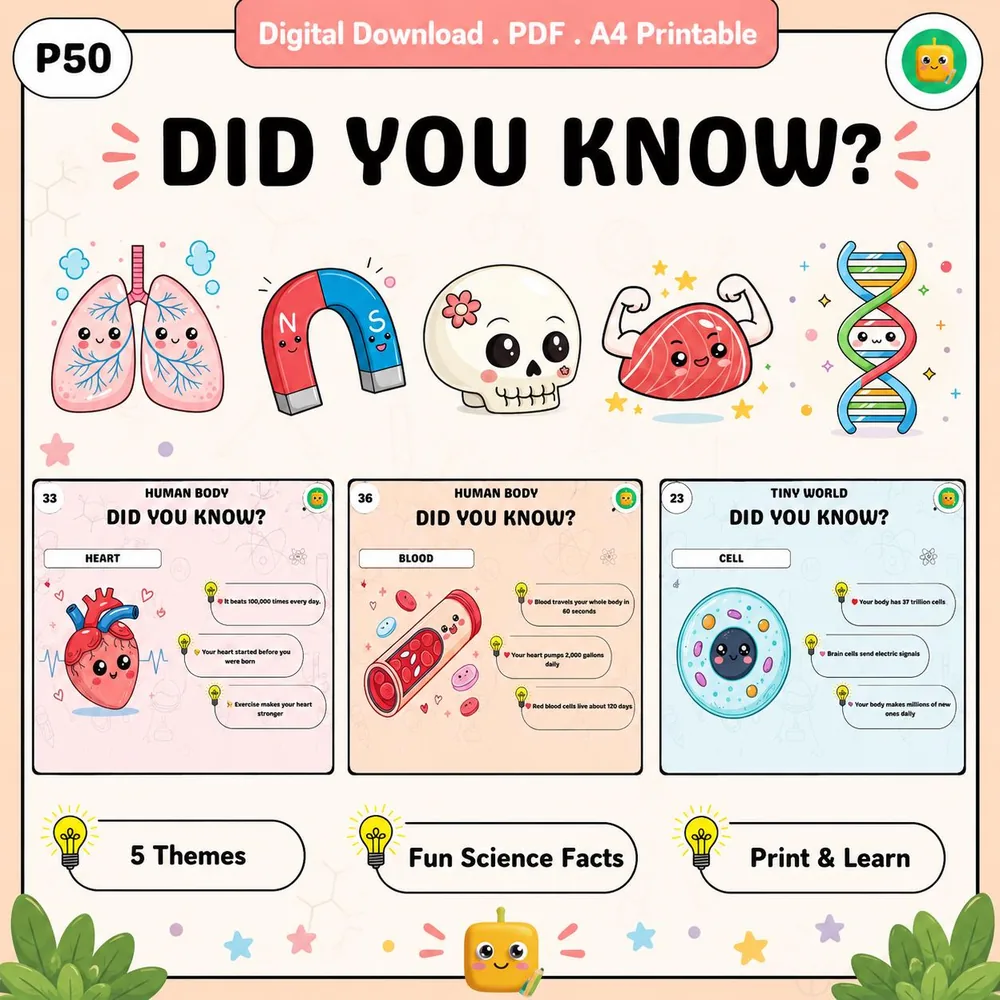
Preschool Science Facts: Did You Know?
50 'Did You Know?' science pages: one concept per page, visual learning, zero prep.
$7
Get this product View details -
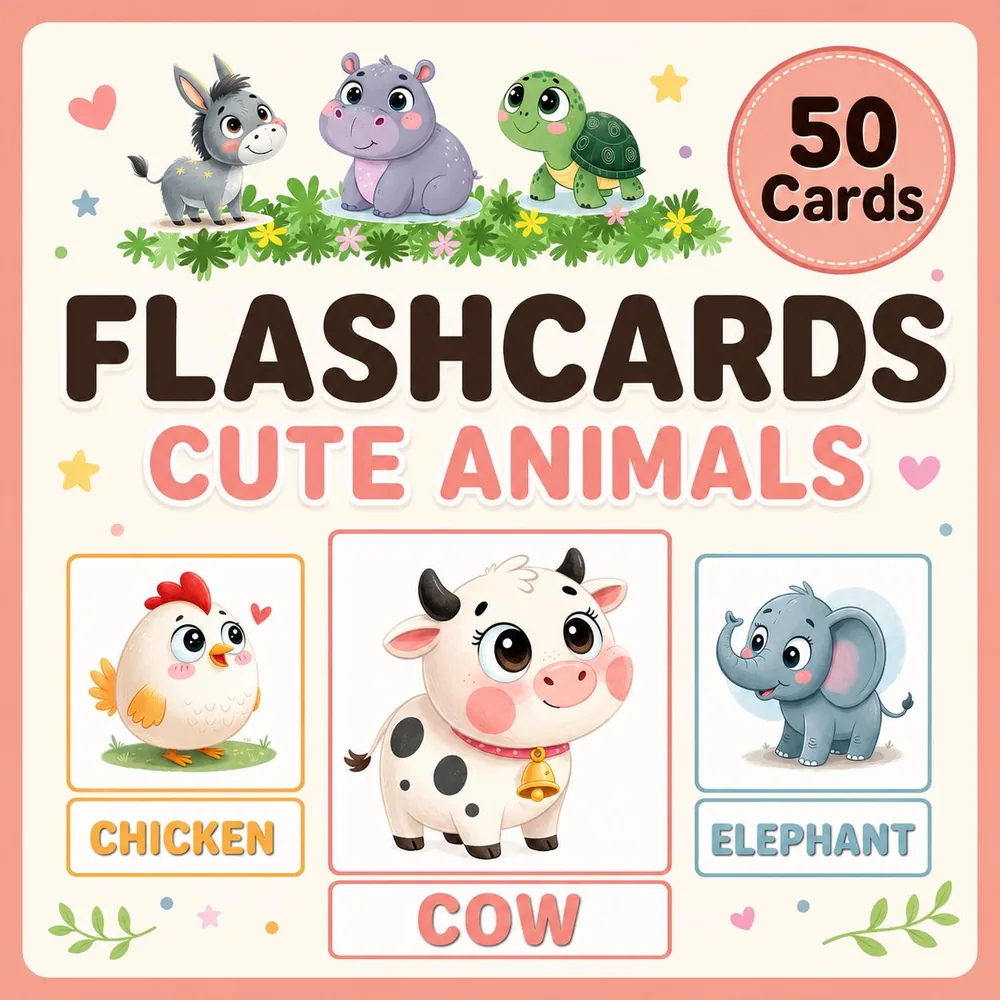
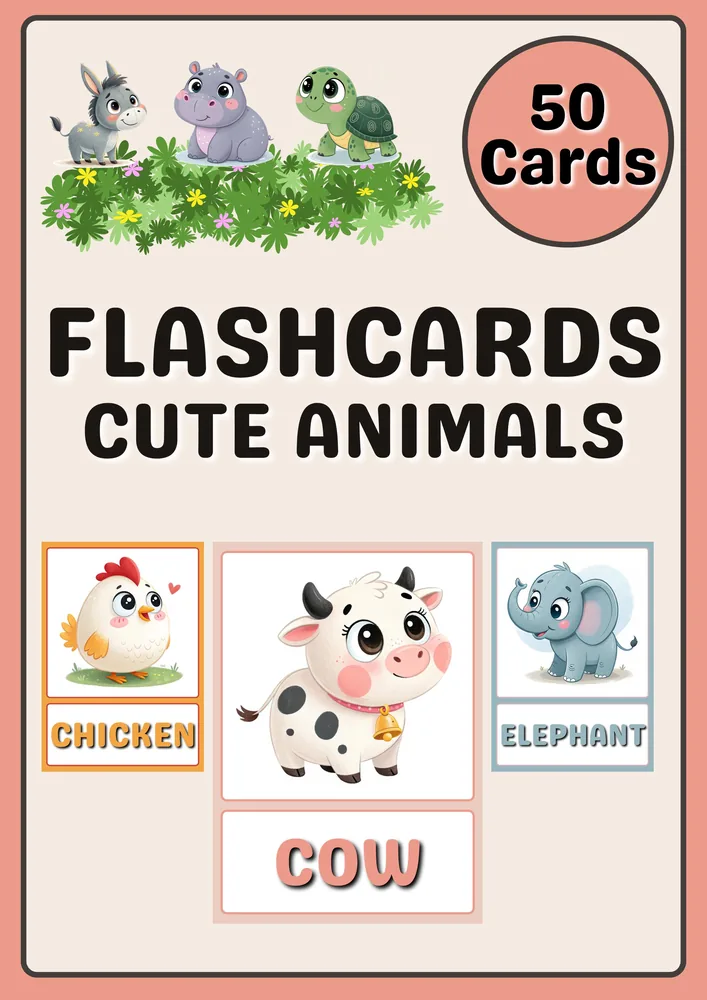
Animals Flashcards for Kids: 50 Cards
50 printable animal flashcards with cute illustrations: builds vocabulary, memory, and visual recognition.
$7
Get this product View details
Frequently asked questions
Why isn't kindergarten play-based anymore?
Kindergarten can still be play-based, and the balance depends on the school and classroom. A schedule with longer blocks of teacher-led reading or math can leave less time for child-directed play. Ask to see a sample day and look for when children can choose materials, play outdoors, or return to an unfinished project.
Do I need to buy a curriculum to do play-based preschool at home?
You can plan play-based preschool at home with materials you already have. Start with blocks, empty boxes, or a picture book your child returns to, then give the activity a purpose such as carrying one parcel to each door. Write down what your child does and use that note to plan the next setup.
Can I use worksheets in a play-based preschool curriculum?
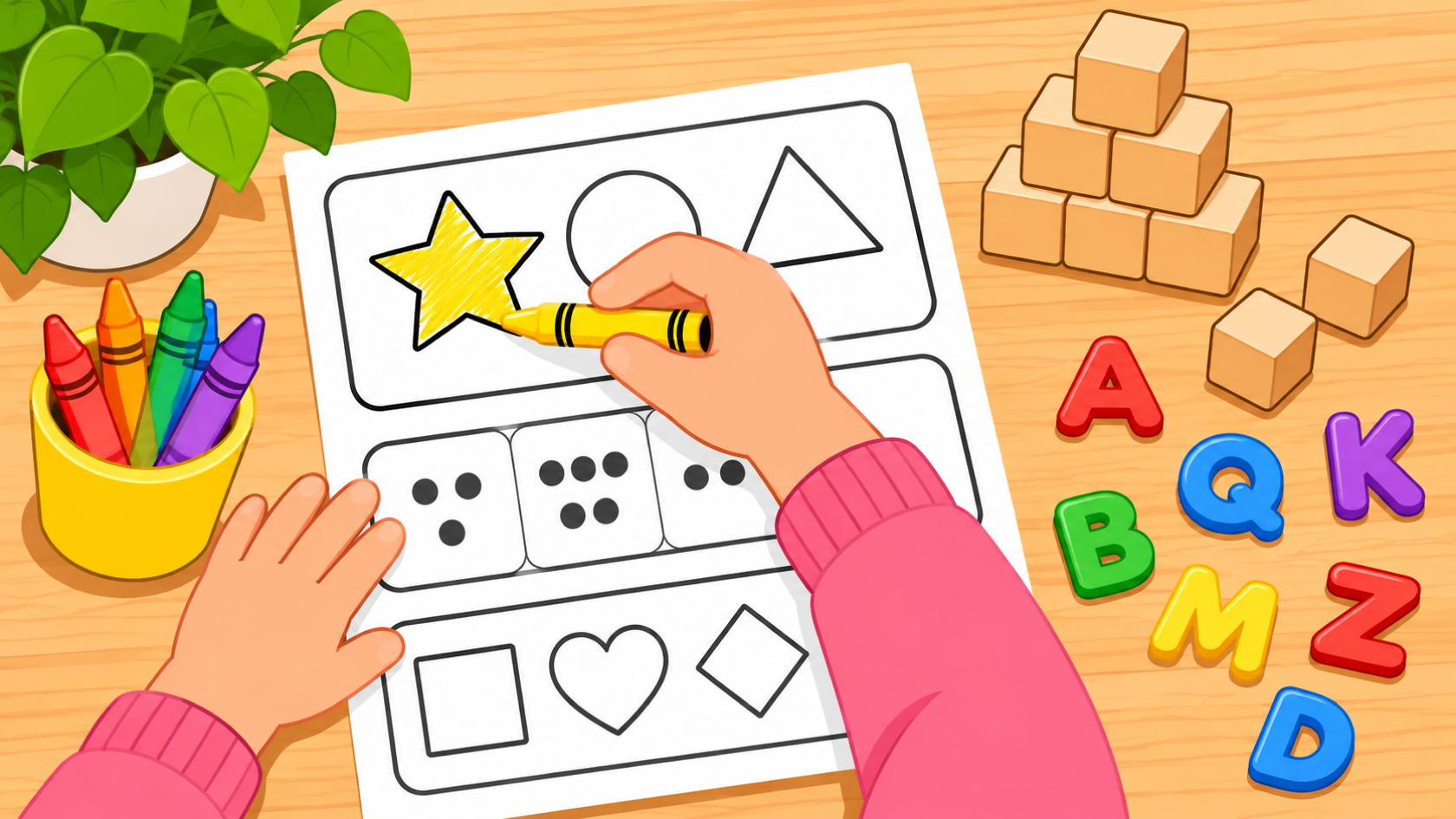
Yes, you can use a worksheet as an optional prop or a way to record what happened during play. A child might circle the parcels on a delivery sheet after putting the actual boxes by the door. Leave room for drawing or dictation so the child can record an idea in a way they can use.
How often should I change a preschool play setup?
Keep a preschool play setup available while your child still returns to it or finds different ways to use it. If the delivery game slows down, try adding one prop, such as a basket for parcels. If your child is interested in building a garage instead, bring the boxes over and see how they use them.