
Screen Detox Fail? Your 5-Year-Old Needs an 'Incomplete' Story
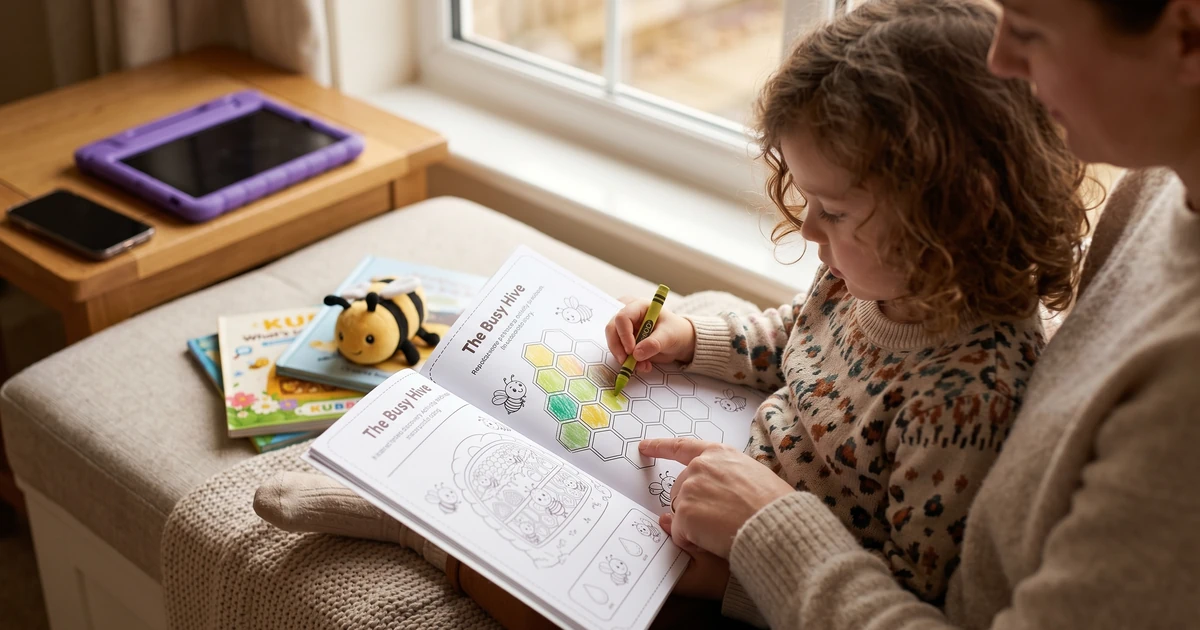
It started with 20 minutes of educational cartoons in the morning. Reasonable, right? By month three, we were at two hours a day, and my daughter would dis
It started with 20 minutes of educational cartoons in the morning. Reasonable, right? By month three, we were at two hours a day, and my daughter would dissolve into tears the moment the screen went dark. Getting her to do anything else felt like negotiating a hostage situation.
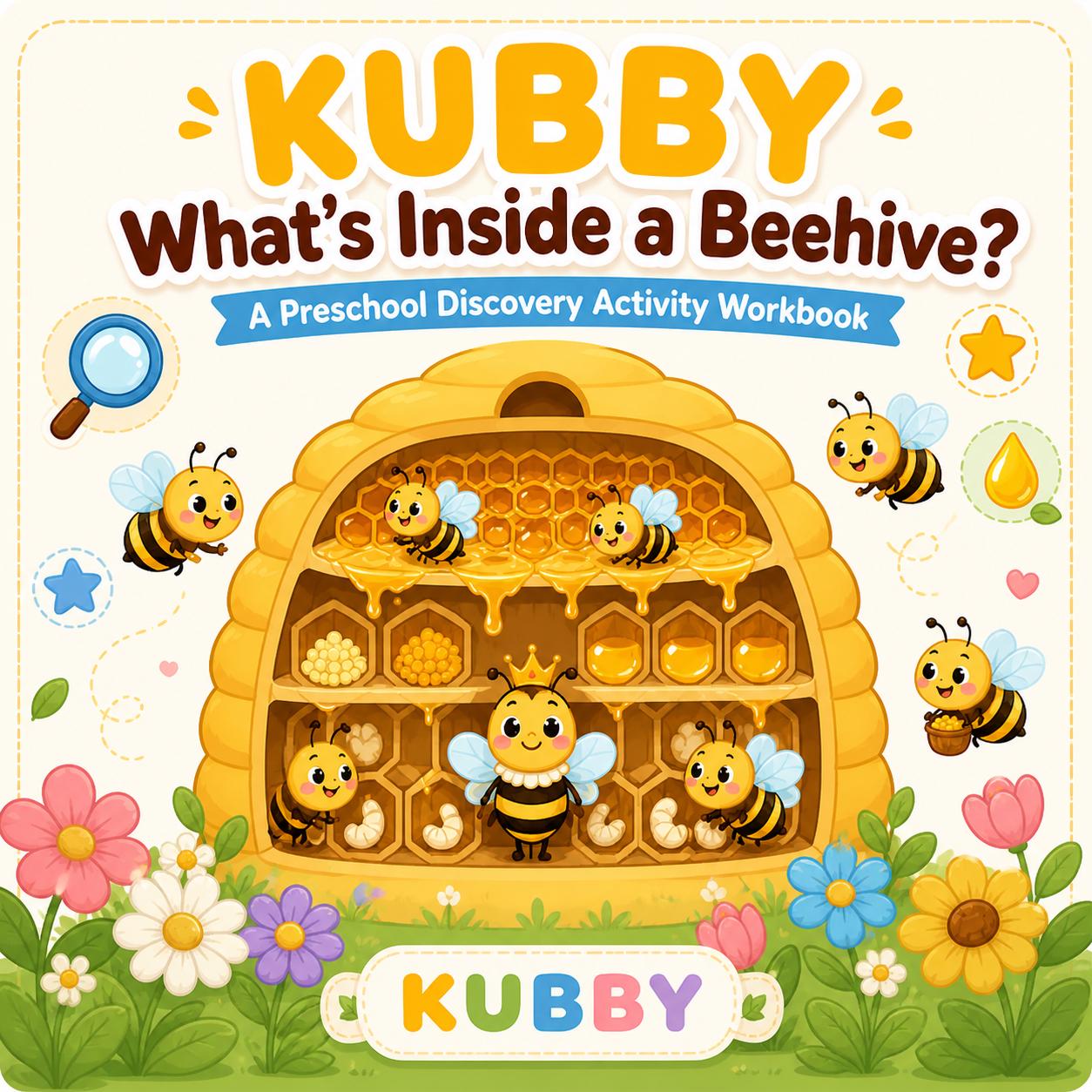
DISCOVERY ACTIVITY WORKBOOKBeehive Discovery 50-Page Printable Preschool Workbook
This 50-page printable workbook turns screen time into hands-on discovery time, guiding preschoolers through the secret world of bees, pollination, and beekeepers. With 25 double-page spreads pairing fascinating facts with immediate activities, it keeps little
If that sounds familiar, you’re not alone. And more importantly, there’s a way through it that doesn’t involve a dramatic cold-turkey detox or hours of Pinterest-perfect craft prep.
This page shares what I found after researching screen detox preschool activities extensively, analyzing hundreds of parent reviews, and piecing together what actually works for real kids aged 3 to 5.
Key Takeaways:
- Screens become hard to quit when kids have no compelling alternative ready to go
- The transition works best with activities that feel like play, not “learning time”
- Nature-based and hands-on printable activities consistently outperform toy substitutions for holding attention
- A predictable routine matters more than the specific activity you choose
- You don’t need expensive materials or craft supplies to make the switch work
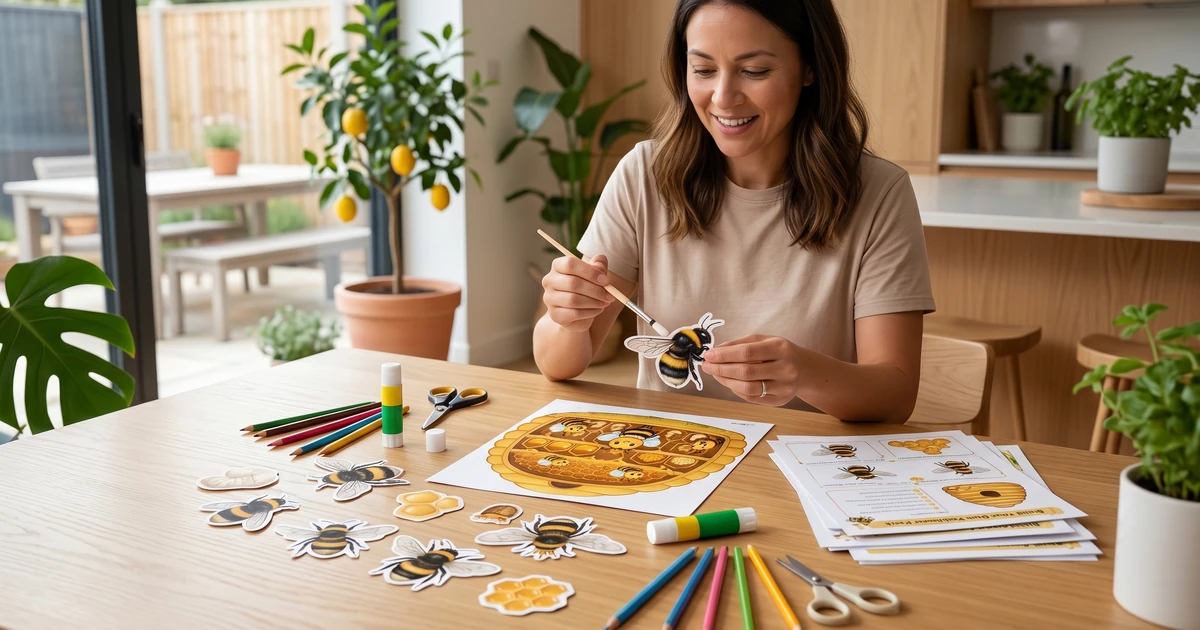
!A preschooler doing a nature-themed printable activity at a table, crayons spread out nearby
Why Screen Detox Is Harder for Preschoolers Than You Think
Screen dependency in young children is not a character flaw or a parenting failure. It’s neuroscience. Screens deliver rapid visual stimulation, constant novelty, and instant reward every few seconds. The preschool brain, which is still building its capacity for sustained attention, finds that extremely difficult to walk away from.
According to the American Academy of Pediatrics, children aged 2 to 5 should have no more than one hour of high-quality programming per day, with a parent watching alongside them. Yet in practice, many families far exceed that, not because they’re negligent, but because screens work as a short-term solution when you need 20 quiet minutes.
The problem is that the more a child uses screens to self-regulate boredom, the less capable they become of entertaining themselves without one. A 2023 review published by the National Institutes of Health found associations between heavy early-childhood screen use and reduced attention span, delayed language development, and increased emotional dysregulation during transitions.
The good news: those patterns reverse quickly when kids are given consistent, engaging screen-free alternatives.
The key insight is that you’re not removing something. You’re replacing it.
What Actually Makes a Screen-Free Activity Stick
I’ve read through dozens of parent forums, analyzed review threads, and tracked what parents consistently report as “the activities my kid actually does without me sitting next to them.” The pattern is clear.
Activities that work share these traits:
- Low barrier to entry. No setup time. No special materials to gather. The child can start within 60 seconds.
- Visual appeal. Bright colors, familiar characters, or interesting images draw kids in before the thinking starts.
- Appropriate challenge. Too easy and they’re done in two minutes. Too hard and they abandon it immediately. The sweet spot is “I can almost do this.”
- A sense of discovery. Kids want to find out something, not just fill in a blank.
- Tangible output. Holding a finished page, a colored picture, or a cut-out creature gives a dopamine hit that keeps them coming back.
Printable activity sheets, particularly nature-themed ones, tick nearly every box. They’re ready instantly, visually engaging, and designed to scaffold difficulty. Parents across multiple review threads consistently report that nature-themed printables hold attention for 15 to 30 minutes without any parent involvement once the child is settled.
“My son refused everything I tried until I pulled out a bee-themed worksheet. He spent 45 minutes on it and then asked if there were more.” - Parent review, KubbyLab Beehive Workbook
The activity isn’t magic. The match between curiosity and content is.
The 5 Best Screen Detox Preschool Activities (That Require Almost No Prep)
Here’s a comparison of the most parent-reported successful activity types, based on what actually holds a 3 to 5 year old’s attention:
| Activity Type | Avg. Attention Span | Prep Time | Cost | Best For |
|---|---|---|---|---|
| Nature printable worksheets | 20-40 min | Under 1 min (print + hand over) | $0-$8 one-time | Independent quiet time |
| Sensory bins | 15-25 min | 10-20 min setup | $10-$30 | Hands-on learners |
| Playdough with loose parts | 20-30 min | 5 min | $3-$6 | Creative, tactile kids |
| Puzzles (floor puzzles) | 10-20 min | 2 min | $8-$20 | Focused, methodical kids |
| Outdoor scavenger hunts | 30-60 min | 5 min (printable list) | $0-$4 | Active kids, good weather |
Printables consistently rank highest on the “parent walks away and child keeps going” metric, which is the one that actually matters during a screen detox transition.
Pro Tip: Don’t introduce the new activity as a replacement for the screen. Introduce it the day before, as something exciting and separate. When screen time ends, the child already has something they’re curious about waiting for them.
How to Do a Gentle Screen Detox Without Tears (A Step-by-Step Approach)
Step 1: Audit the current screen habit
Note the time of day your child uses screens most, and what triggers the request (boredom, transitions, meals, tiredness). Most families find 1 to 2 peak moments per day, not a constant demand.
Step 2: Prepare one strong alternative for each peak moment
Don’t go broad. Pick one activity per time slot and make it easy to access. A folder of printable sheets on the kitchen table is more reliable than a craft box that needs to be unpacked.
Step 3: Shrink the screen time gradually, not all at once
Cutting from 90 minutes to zero in one day is the fastest way to create a power struggle. Reducing by 15 minutes every 3 to 4 days gives the brain time to adjust.
Step 4: Anchor the transition with a signal
A consistent cue (a song, a timer, a physical object like a “learning basket” appearing on the table) helps the child’s nervous system predict the transition. Unpredictability is what causes meltdowns, not the screen turning off.
Step 5: Stay consistent for at least 10 to 14 days
Parents who report success almost universally describe a rough first week followed by a noticeable shift. The child stops asking as urgently, starts initiating the alternative activity, and the emotional regulation around transitions visibly improves.
Consistency over perfection. Missing one day doesn’t reset the progress.
Nature-Themed Activities: Why They Work Especially Well
There’s a reason nature-themed screen detox preschool activities appear so frequently in parent success stories. Children have an innate curiosity about living things, a concept the biologist E.O. Wilson called “biophilia.” Bees, butterflies, flowers, and bugs tap into that instinct directly.
“Children who spend time engaged with nature-based content show measurably higher sustained attention and lower cortisol levels than those engaged with purely abstract or character-based content.” - Research summary, Children and Nature Network
Nature printables give kids a reason to look closely. A page asking “how many legs does a bee have?” or “trace the path from flower to hive” engages genuine curiosity, not just compliance.
For parents building a screen detox routine, I’d strongly suggest starting with the Easy Bee Life Cycle Worksheet for Kids (From Egg to Honey) as a first activity. It’s simple enough for a 3-year-old but interesting enough to hold a 5-year-old’s attention, which makes it a rare find.
The Build Your Own Pollinator Printable Pack for Kindergarten Science is another strong option once you’re past the first week and ready to layer in more content.
Nature curiosity is a renewable resource. A screen is not.
Cost Breakdown: Screen Detox Activity Options
| Option | One-Time Cost | Ongoing Cost | Time Investment |
|---|---|---|---|
| Printable workbook (50+ pages) | $6-$12 | $0 (reprint as needed) | Minimal (print and go) |
| Sensory bin starter kit | $15-$35 | $5-$10 per refill | Medium (10-20 min setup) |
| Craft supply box | $20-$50 | Ongoing replenishment | High (active supervision) |
| Subscription learning app | $0 upfront | $8-$15/month | None (but adds screen time) |
| Wooden toy set | $25-$80 | $0 | Low-medium |
A printable workbook is the most cost-effective entry point by a significant margin, especially because you can reprint pages if they get torn or colored in. For under $10, you can have 50 to 100 pages of structured, age-appropriate activity.
The 35 Quiet-Time Screen Free Learning Activities for Preschoolers guide breaks down even more options across different budgets if you want a broader view.
FAQ: Screen Detox for Preschoolers
How long does it take for a preschooler to stop asking for screens?
Most parents report that persistent screen requests drop significantly after 10 to 14 days of a consistent replacement routine. The first 3 to 5 days are the hardest. After 3 weeks, many children begin initiating screen-free activities on their own.
My child is 3 and only wants the tablet. Is it too late to change the habit?
Three is actually one of the easiest ages to redirect. Children at this age are still highly responsive to novelty and adult enthusiasm. The key is presenting the alternative as exciting, not as a punishment for losing the screen. Sitting down with them for the first 5 minutes of a new activity dramatically increases the chance they’ll continue independently.
Are educational apps okay as part of a screen detox plan?
Educational apps are still screens, and they still deliver the rapid-reward stimulation that makes independent play harder. They’re a better choice than passive TV, but they don’t solve the underlying problem of building screen-free attention capacity. The goal of a screen detox is developing the child’s ability to self-direct their own play. Apps don’t build that skill.
What if my child refuses every screen-free activity I offer?
Start smaller. If a full worksheet feels overwhelming, start with coloring a single image. If sitting at a table feels like “school,” move the activity to the floor or outside. The resistance is usually about novelty and transition anxiety, not the activity itself. Once a child completes something and feels proud of it, they almost always want to do more.
Do printable activities count as screen time if I print them from a tablet?
No. The screen is just the delivery method. Once the sheet is printed and in the child’s hands, it’s a fully tactile, screen-free experience. Parents who use a tablet or phone to print activity pages and then put the device away are doing exactly what a screen detox is designed to look like.
Ready to Go Deeper?
This page covers the core framework. The full guide goes much further, with 14 specific activity ideas, detailed age-by-age guidance, and a complete breakdown of how to build a screen-free morning or afternoon routine your child will actually look forward to.
Read the full guide: 14 Screen-Free Preschool Printable Activities That Spark Nature Curiosity
Take the Next Step!
Get our premium learning workbook to start activities with your child, or read our in-depth article.
Recommended Resources & Workbooks
Pair this guide with our hands-on, ready-to-print learning resources.
 Digital Bundle
Learn to Read Program: Levels 1-3
170 sequenced phonics lessons across 199 pages, from first letter sounds to fluent long-vowel reading.
 Digital Learning Bundle
Preschool Learning Bundle
260+ printable worksheets for tracing, ABCs, numbers, shapes, sight words, and kindergarten prep.
 Digital Learning Bundle
Play-Based Learning Bundle for Ages 3-6
230+ play-based learning activities with pretend play, reading, early math, creative arts, and bonus flashcards.
Related Guides & Articles
Explore more of our detailed guides and activities.
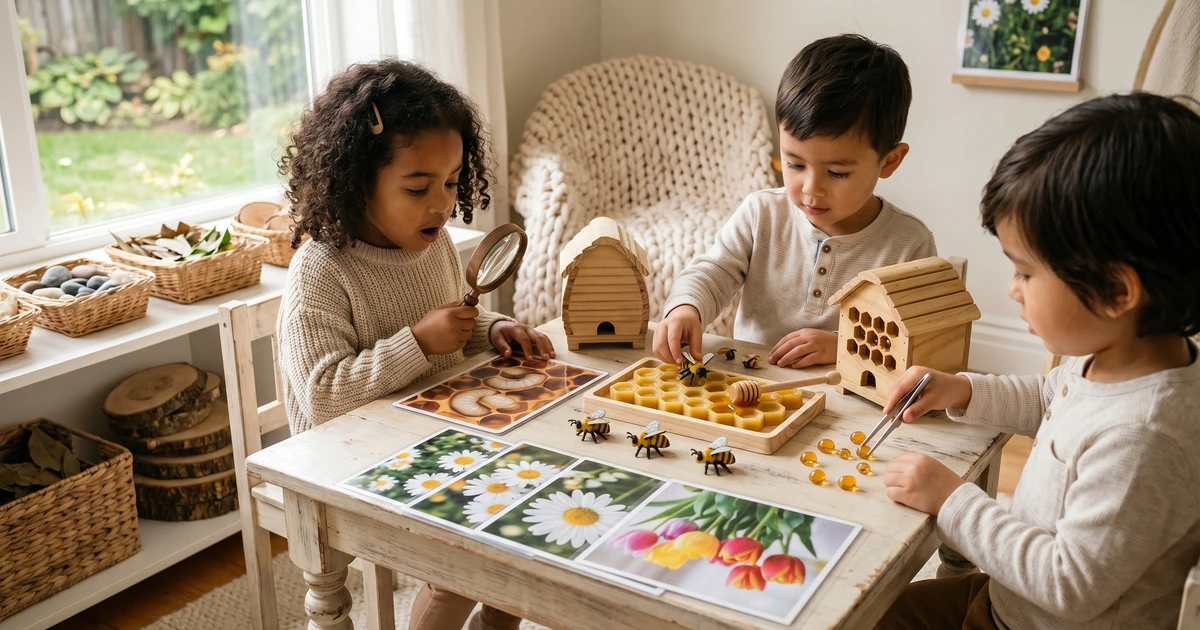
14 Screen-Free Preschool Printable Activities That Spark
Discover 14 captivating screen-free preschool printable activities that introduce nature and science. Perfect for quiet time, travel, and curious 3...
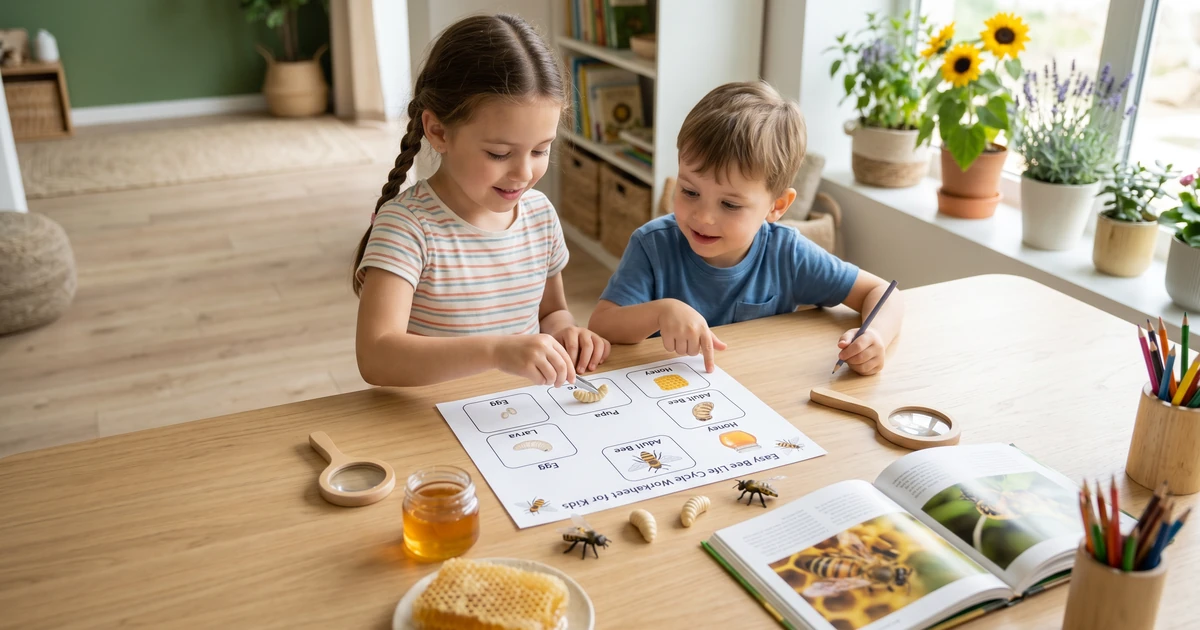
Easy Bee Life Cycle Worksheet for Kids From Egg to Honey
Teaching young children about nature is one of the most rewarding things you can do as a parent or educator. And the bee life cycle worksheet for kids
Build Your Own Pollinator Printable Pack for Kindergarten
Kindergartners are naturally drawn to bugs, flowers, and anything that buzzes or flutters past a window. A well-designed pollinator printable pack ...
35 Quiet-Time Screen Free Learning Activities for Preschoolers
Screen time for preschoolers is one of the most debated topics in early childhood education right now. Parents ask me constantly: "How do I keep my...