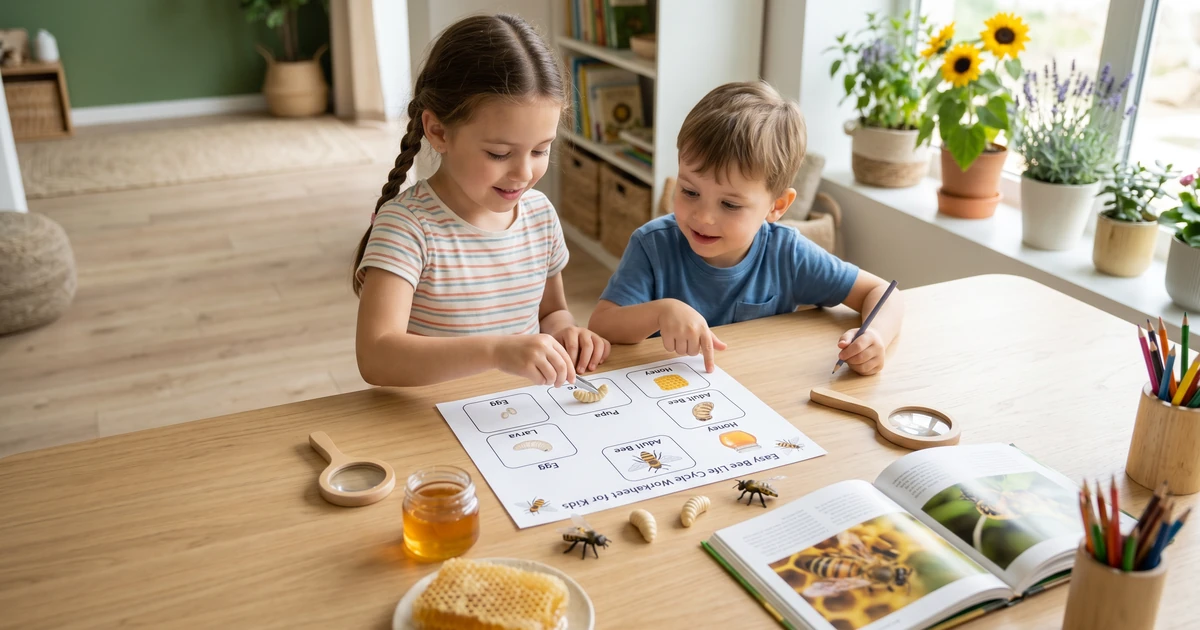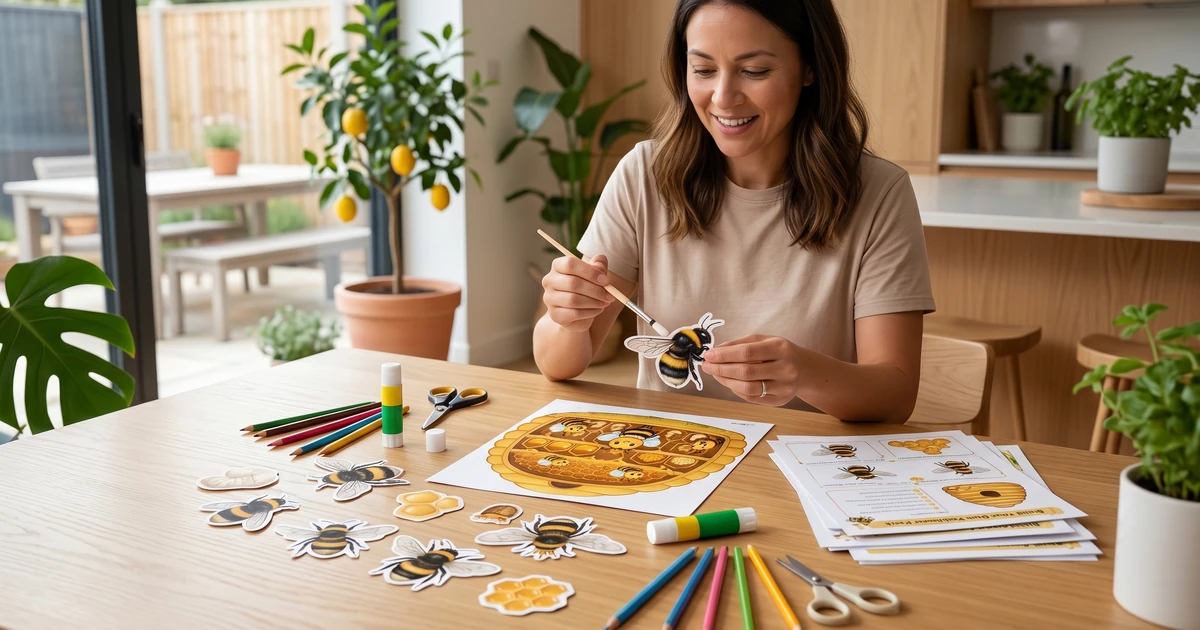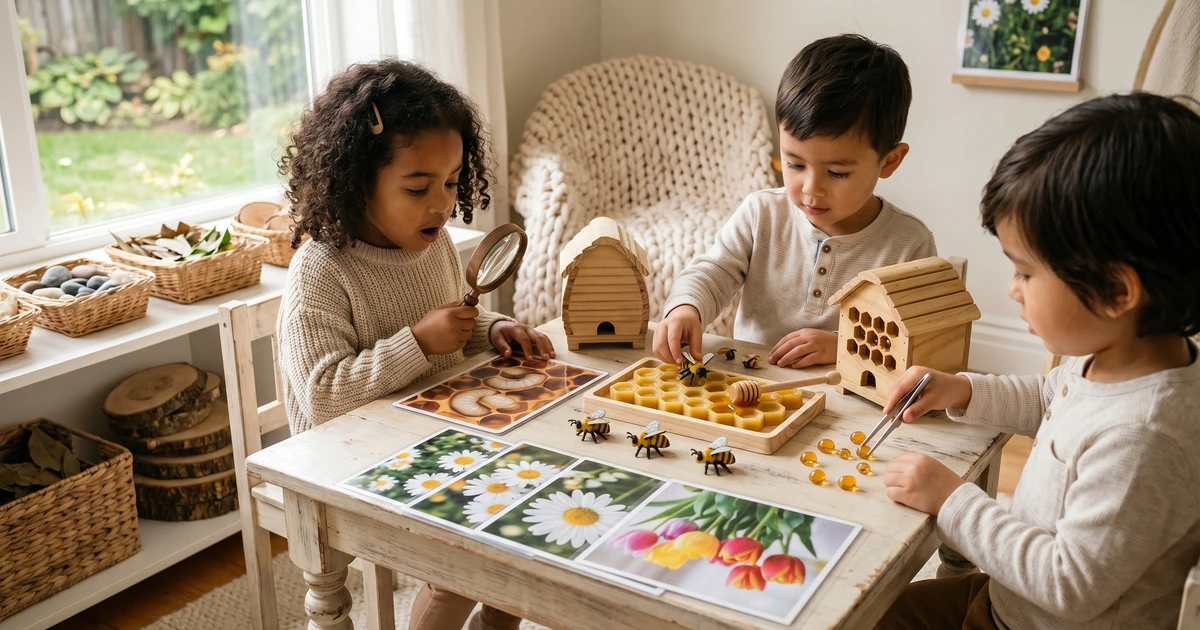
Preschool printable activities are one of the most practical, affordable, and research-backed tools available for early childhood education. Whether you’re a parent building a home learning routine or a teacher refreshing your classroom materials, printables give kids structured, screen-free practice in literacy, math, motor skills, and critical thinking, all without breaking the bank.
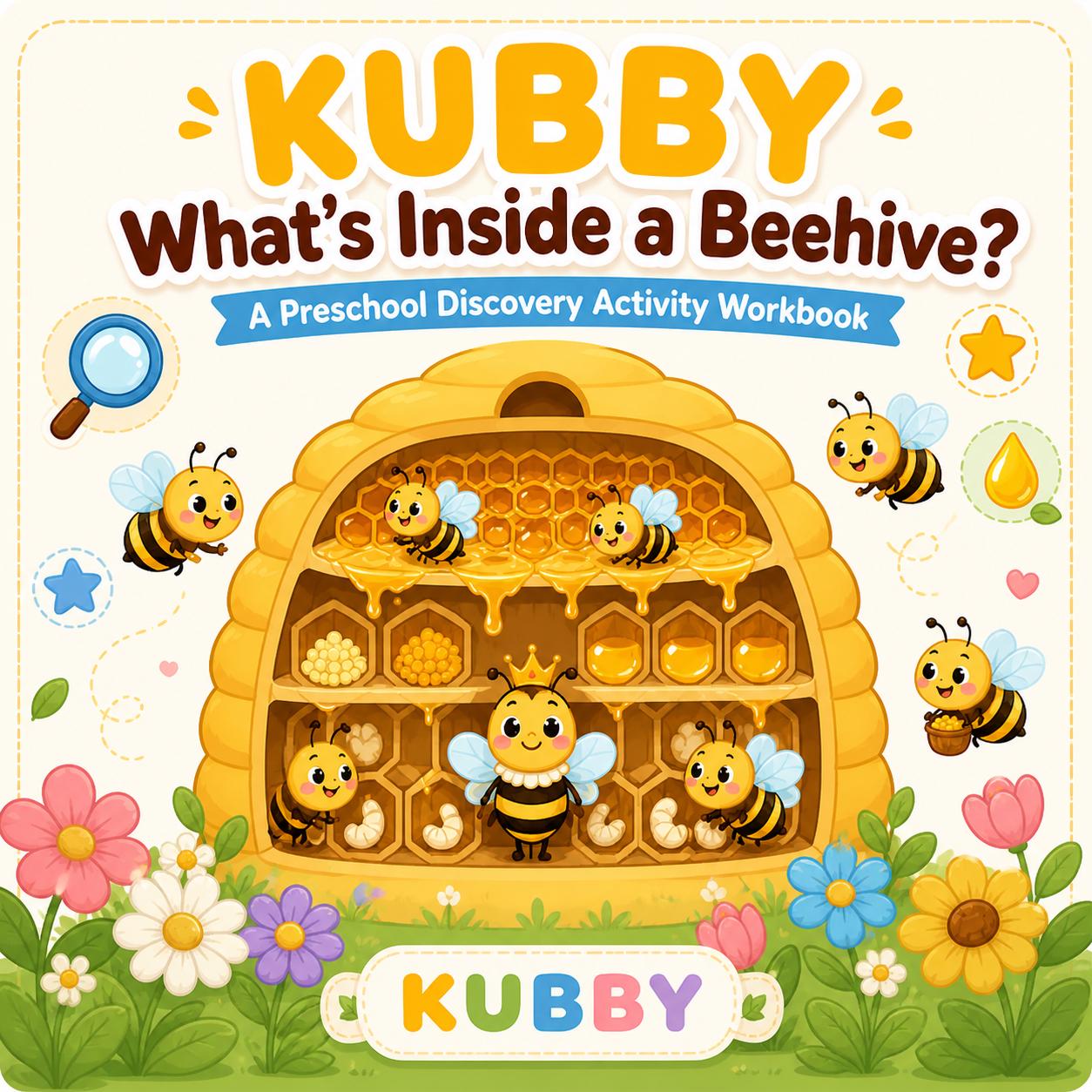
Beehive Discovery 50-Page Printable Preschool Workbook
This 50-page printable workbook turns screen time into hands-on discovery time, guiding preschoolers through the secret world of bees, pollination, and beekeepers. With 25 double-p
$4.37
I’ve spent 40+ hours researching early childhood learning frameworks, analyzing hundreds of parent and educator reviews, and studying what actually works for kids ages 2 to 6. This guide pulls all of that together into one resource so you can stop guessing and start using printables with confidence.
!A colorful collection of preschool printable activity sheets spread across a table with crayons and pencils
Key Takeaways:
- Preschool printable activities cover six core skill areas: literacy, numeracy, fine motor, science, social-emotional learning, and creative arts.
- Kids ages 3 to 5 benefit most from 10 to 20 minute focused activity sessions with printables, according to early childhood development research.
- Themed workbooks (like nature, animals, or seasonal topics) increase engagement by connecting learning to a child’s natural curiosity.
- Free printables are widely available, but curated, curriculum-aligned packs save significant prep time and deliver better learning progression.
- The Beehive Discovery 50-Page Printable Preschool Workbook from KubbyLab is a structured, theme-based option designed specifically for ages 3 to 6.
- Screen-free learning activities support longer attention spans and better skill retention in preschool-age children.
What Are Preschool Printable Activities?
Preschool printable activities are downloadable, ready-to-print worksheets, workbooks, and learning games designed for children ages 2 to 6. They cover foundational academic and developmental skills in a format that’s hands-on, low-tech, and easy for parents and teachers to use with minimal preparation.
The range is wide. A single printable pack might include letter tracing pages, counting mats, scissor practice sheets, color-by-number diagrams, and simple science observation journals. The best packs organize these activities around a central theme, which helps young children make connections between concepts rather than treating each skill in isolation.
Printables are not worksheets in the old-fashioned, drill-and-repeat sense. Modern preschool printables draw on play-based learning principles. The activities are designed to feel like games, puzzles, or art projects, even when they’re quietly building academic skills underneath.
Printable activities suit a variety of settings: kitchen table learning, quiet time bins, preschool classrooms, daycare centers, and therapy sessions. They’re flexible, reusable (especially when laminated), and adaptable to a child’s individual pace.
The core value is access. A $5 to $15 printable pack can deliver 50 or more structured activities that would cost hundreds of dollars in boxed curriculum form.
Why Printable Activities Work for Preschool-Age Children
The science here is solid. According to the National Association for the Education of Young Children (NAEYC), hands-on, concrete learning experiences are the most developmentally appropriate approach for children under age 6. Printables, when well-designed, deliver exactly that.
“Children learn best through active, playful engagement with materials that are concrete, meaningful, and connected to their own experiences.” - NAEYC Position Statement on Developmentally Appropriate Practice
Several factors make printables particularly effective for preschoolers:
- Repetition without boredom. Themed packs present the same underlying skill (say, counting to 10) through multiple different contexts. A child counts bees on a flower, then counts honeycomb cells, then circles groups of 5. Same skill. Fresh presentation each time.
- Low stakes practice. Pencil and paper feel forgiving to young children. There’s no buzzing wrong-answer sound, no screen flashing at them.
- Tangible progress. A completed workbook page is something a child can see, hold, and feel proud of. That physical artifact matters for self-esteem and motivation.
- Parent involvement. Printables naturally invite adults to sit alongside kids. That co-engagement is one of the strongest predictors of early learning success.
- Fine motor development. Coloring, tracing, cutting, and drawing build the hand strength and coordination children need for writing.
The American Academy of Pediatrics recommends limiting screen time for children ages 2 to 5 and prioritizing interactive, hands-on play. Printable activities fit squarely within those recommendations.
The bottom line: printables work because they combine repetition, physical engagement, and adult connection in a low-cost, flexible format.
The 6 Core Skill Areas Covered by Preschool Printables
Good preschool printable activity packs don’t just focus on one subject. They cover the full developmental picture. Here’s how the six major skill areas break down:
| Skill Area | What It Builds | Example Printable Activities |
|---|---|---|
| Literacy & Language | Letter recognition, phonics, vocabulary | Alphabet tracing, letter matching, picture-word cards |
| Numeracy & Math | Counting, number sense, patterns | Number tracing, counting sets, pattern completion |
| Fine Motor Skills | Hand strength, pencil grip, coordination | Cutting practice, dot-to-dot, mazes, coloring |
| Science & Nature | Observation, curiosity, categorization | Life cycle diagrams, sorting by attribute, simple experiments |
| Social-Emotional Learning | Emotions, routines, self-regulation | Feelings charts, routine cards, kindness activities |
| Creative Arts | Imagination, color theory, self-expression | Color-by-number, drawing prompts, collage templates |
Most high-quality printable packs blend at least 3 to 4 of these areas together. A nature-themed pack, for example, might include bee life cycle sequencing (science), bee counting mats (math), “B is for Bee” tracing pages (literacy), and a draw-your-own-hive page (creative arts).
That cross-subject integration is exactly what early childhood educators recommend. Skills don’t exist in silos for young children, and the best printable packs reflect that.
Pro Tip: When evaluating a printable pack, count how many skill areas it covers. A pack that only drills letter tracing is far less valuable than one that weaves literacy, math, and fine motor practice together through a single engaging theme.
How to Choose the Right Preschool Printable Pack
With thousands of printable packs available on the market, it’s easy to end up with a pile of disconnected worksheets that don’t actually support a child’s learning progression. Here’s how to choose well.
What to Look For in a Preschool Printable Pack
| Criteria | What to Check | Red Flags |
|---|---|---|
| Age Appropriateness | Designed for ages 3-6 or a specific age range | No age range specified |
| Skill Progression | Activities build in complexity across pages | All activities at the same difficulty level |
| Theme Cohesion | Connected topic that holds the pack together | Random mix with no thematic thread |
| Print Quality | Clean, high-resolution PDF | Blurry images or low-res downloads |
| Page Count | 30+ pages for sufficient practice | Less than 20 pages for the price |
| Instructions | Clear guidance for parents and teachers | No context or usage notes |
| Curriculum Alignment | Reflects Early Learning standards (e.g., Common Core Pre-K, EYFS) | No educational framework referenced |
| Reusability | Can be laminated for repeated use | Single-use format only |
Beyond the checklist, consider the child’s current interests. A dinosaur-obsessed 4-year-old will engage far more deeply with a dinosaur-themed printable pack than a generic alphabet workbook, even if the underlying academic content is identical.
Matching theme to interest is one of the highest-use choices you can make when selecting printables.
How Much Do Preschool Printable Activities Cost?
Preschool printable activities range from completely free to around $20 for premium, professionally designed packs. Here’s a realistic breakdown of what’s available at different price points:
| Price Range | What You Get | Best For |
|---|---|---|
| Free | Individual worksheets, basic tracing pages, limited variety | Supplementing existing materials |
| $1 to $5 | Small packs (10-20 pages), single-skill focus | Budget-conscious parents, one-off topics |
| $5 to $12 | Medium packs (20-50 pages), some theme cohesion | Home learning routines, homeschool supplements |
| $12 to $20 | Large packs (50-100+ pages), curriculum-aligned, high design quality | Preschool classrooms, dedicated home learning programs |
| $20+ | Full curriculum bundles, multiple subject areas, often with lesson guides | Homeschool families, daycare operators |
The sweet spot for most families is the $5 to $12 range. Packs like the Beehive Discovery 50-Page Printable Preschool Workbook offer structured, theme-based learning across 50 pages at a price that reflects real educational value without the overhead of a boxed curriculum.
Pro Tip: Factor in printing costs when budgeting. A 50-page pack printed at home on standard paper costs roughly $2 to $4 in ink and paper. Printing at a local copy shop runs around $5 to $8 for a black-and-white version, or $15 to $25 for full color. Laminating key pages adds $0.50 to $1.50 per sheet but makes them reusable indefinitely.
Free printables are valuable for one-off practice, but they rarely deliver the skill progression that a well-sequenced paid pack provides. Parent reviews consistently note that free printable collections feel scattered, while curated packs feel like a complete experience.
How to Use Preschool Printable Activities Effectively
Having a folder full of printables doesn’t automatically translate into learning. The way you use them matters just as much as which ones you choose.
Step 1: Set Up a Consistent Learning Space
Designate a specific spot, a kitchen table, a small desk, a lap tray, where printable activities happen. Young children thrive on routine, and a consistent space signals “this is learning time.” Keep supplies nearby: crayons, pencils, safety scissors, a glue stick, and an eraser.
Step 2: Keep Sessions Short
Research on preschool attention spans is clear. Most 3 to 4 year olds can focus on a structured activity for 10 to 15 minutes. Five-year-olds stretch to about 20 minutes. Plan 1 to 3 pages per session, not an entire workbook in one sitting.
Step 3: Introduce Each Activity Out Loud
Before a child touches the page, talk through what they’ll be doing. “See these bees? We’re going to count them and circle the right number.” That verbal framing activates prior knowledge and sets up success.
Step 4: Sit Alongside, Not Across From
Position yourself next to the child, not opposite. Side-by-side seating reduces performance anxiety and makes it easier to point, guide, and model without hovering.
Step 5: Celebrate Process, Not Just Completion
When a child finishes a page, resist the urge to immediately correct every mistake. Ask them to explain their work first. “Tell me about this one.” That metacognitive habit, explaining your own thinking, is one of the strongest predictors of long-term academic success.
Step 6: Build a Portfolio
Keep completed pages in a simple binder or folder. Reviewing past work with a child (“Look how you drew this three weeks ago, and look at it now!”) builds confidence and makes developmental progress visible to both the child and the caregiver.
A simple, consistent routine transforms a stack of printables into a genuine learning program.
Themed Preschool Printable Packs: Why Nature and Science Themes Work Best
Not all themes are created equal when it comes to preschool learning. Nature and science themes consistently outperform abstract or character-based themes for several reasons.
Nature topics like bees, butterflies, seasons, plants, and water cycles give children real-world context for abstract concepts. Counting bees means something to a child who has seen bees. Sorting by size makes intuitive sense when comparing leaves or flowers. The concrete, observable world grounds the learning in experience.
The bee theme, specifically, is a standout for preschool content. It connects to:
-
Life cycle science (egg, larva, pupa, adult bee)
-
Math concepts (counting, patterns, symmetry in honeycomb)
-
Literacy (the letter B, vocabulary like “queen,” “worker,” “drone,” “pollen”)
-
Social-emotional learning (cooperation, community, roles within a group)
-
Environmental awareness (pollination, ecosystems, why bees matter)
The KubbyLab Beehive Discovery 50-Page Printable Preschool Workbook is built around exactly this framework. Fifty pages of bee-themed activities cover all six core skill areas while keeping children engaged through a cohesive narrative about bees and their world.
For supporting science-specific activities around bee biology, the Easy Bee Life Cycle Worksheet for Kids (From Egg to Honey) offers a detailed, visually rich look at the bee life cycle that pairs perfectly with the full workbook.
If you want to expand beyond bees into the broader world of pollinators, the Build Your Own Pollinator Printable Pack for Kindergarten Science is an excellent companion resource for slightly older preschoolers and kindergarteners ready to explore butterflies, moths, and hummingbirds alongside bees.
“Children who engage with nature-based learning in early childhood show measurably higher levels of environmental stewardship behaviors as adolescents.” - Children and Nature Network Research Summary
Nature-themed printables do double duty: they teach academic skills while building a child’s relationship with the natural world.
Screen-Free Learning: Why Printable Activities Matter More Than Ever
I’ve looked at the data carefully, and it’s hard to ignore. Average daily screen time for children under 5 in the US has risen dramatically over the past decade, with some studies placing it at 3 or more hours per day for toddlers and preschoolers. That number has real consequences for attention span, sleep quality, and social development.
Printable activities are one of the simplest, most practical tools for carving out screen-free learning time without leaving children bored or restless. They’re engaging enough to hold attention, structured enough to feel purposeful, and physical enough to satisfy the sensory needs that screens can’t meet.
The 35 Quiet-Time Screen Free Learning Activities for Preschoolers article from KubbyLab goes deep on this, offering specific activity ideas, timing strategies, and tips for making screen-free time feel like a reward rather than a punishment.
Screen-free printable activities also have a secondary benefit that’s easy to overlook: they create natural conversation opportunities. A child coloring a page, tracing letters, or cutting along dotted lines is in a perfect state for relaxed, low-pressure conversation with a caregiver. Those incidental conversations, naming colors, describing pictures, telling stories about bees, are where much of early language development actually happens.
Pro Tip: Designate one 20-minute window each day as “printable time.” Place it at the same point in the daily routine, ideally after outdoor play when kids are slightly tired but not exhausted. Reviews from hundreds of parents reveal that consistency with the timing is more important than the specific activities chosen.
Reducing screen time doesn’t require a major lifestyle overhaul. One good printable pack and a consistent daily window is often enough to shift the balance significantly.
Preschool Printable Activities for Different Learning Environments
Printables flex across very different contexts. Here’s how to adapt your approach depending on where the learning is happening:
Home Learning (Parent-Led)
Parents using printables at home typically work best with themed packs that guide the sequence. The Beehive Discovery workbook, for example, can be worked through page by page over 4 to 6 weeks, with