
Restaurant Meltdowns Stopped When We Swapped the iPad for This
You've barely sat down. The menus just arrived. And your three-year-old is already climbing under the table, flipping the sugar packets, and asking "is the
You’ve barely sat down. The menus just arrived. And your three-year-old is already climbing under the table, flipping the sugar packets, and asking “is the food here yet?” for the fourth time in two minutes.
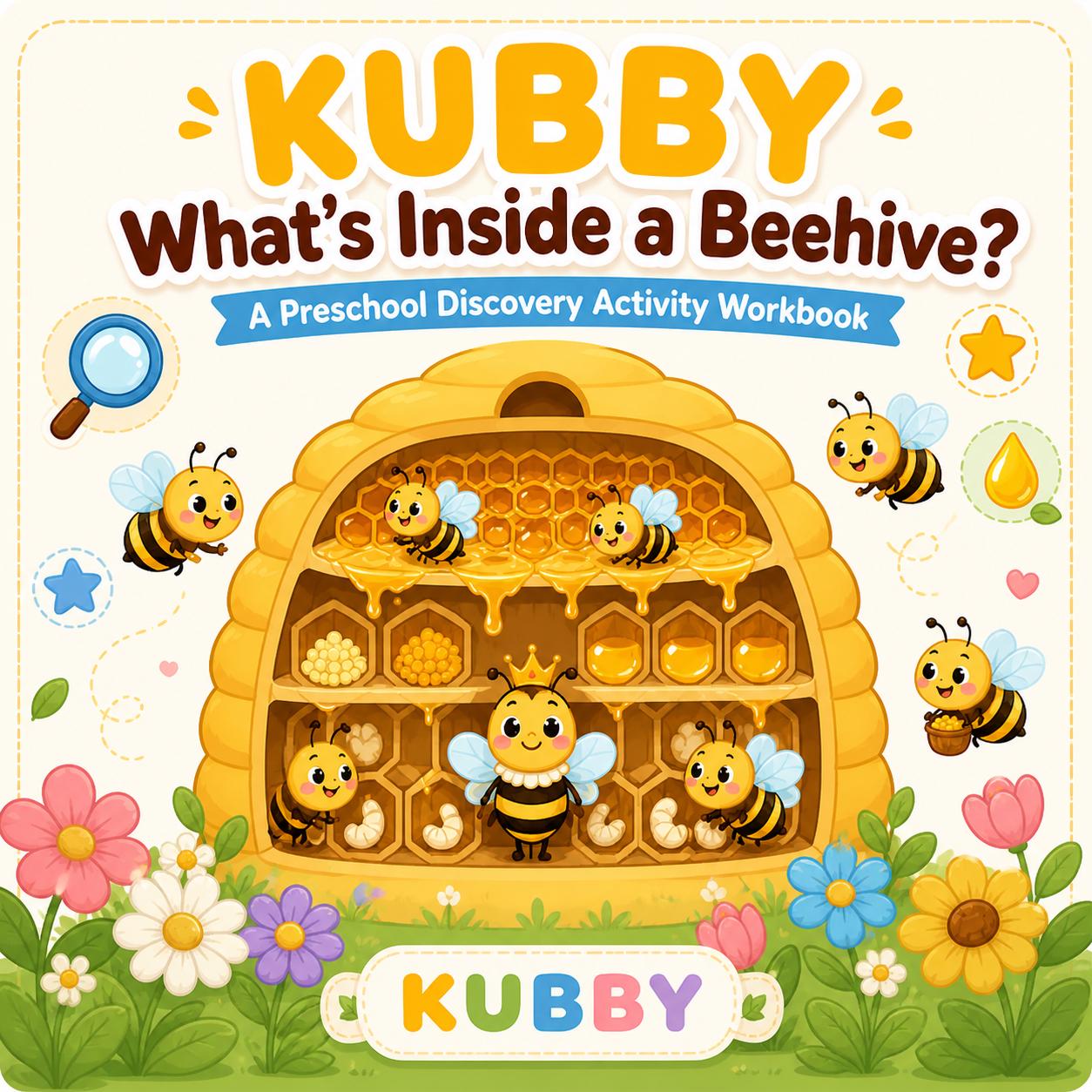
DISCOVERY ACTIVITY WORKBOOKBeehive Discovery 50-Page Printable Preschool Workbook
This 50-page printable workbook turns screen time into hands-on discovery time, guiding preschoolers through the secret world of bees, pollination, and beekeepers. With 25 double-page spreads pairing fascinating facts with immediate activities, it keeps little
Every parent has been there. Restaurants are genuinely hard for preschoolers. The waiting is long. The environment is stimulating. And the unspoken social pressure to keep your child quiet while other diners enjoy their meals? That part doesn’t get easier.
I’ve spent a lot of time researching what actually works for parents in this situation, and after going through hundreds of reviews, parent forums, and early childhood educator recommendations, I can tell you: the solution isn’t screens, and it’s not bribery. It’s having the right portable quiet activities for kids at restaurants tucked in your bag before you walk through the door.
Key Takeaways:
- Preschoolers need structured, hands-on activities to stay calm during restaurant waits, not passive entertainment
- The best portable quiet activities are compact, mess-free, and require no setup
- Printable workbooks and activity sheets are consistently rated by parents as the most reusable, cost-effective option
- Rotate activities so familiarity doesn’t kill engagement
- Screen-free options build focus and creativity in ways that passive screen time simply doesn’t
!A preschooler sitting at a restaurant table coloring a printable activity sheet
Why Restaurants Are So Hard for Preschoolers Specifically
Waiting is the core problem. Adults understand that waiting at a restaurant is part of the deal. Preschoolers, developmentally, don’t have that tolerance yet. According to the American Academy of Pediatrics, children ages 2 to 5 are still developing the self-regulation skills that allow them to sit still, delay gratification, and tolerate boredom.
That’s not bad behavior. That’s brain development.
The average restaurant wait from being seated to receiving food is 15 to 25 minutes. For a preschooler, that’s an eternity. Add in the sensory overload of a busy dining room, unfamiliar smells, and the general excitement of being “out,” and you’ve got a recipe for meltdowns.
The good news: a small bag of the right activities can turn that 20-minute wait into a genuinely calm, even enjoyable experience.
The 5 Best Types of Portable Quiet Activities for Kids at Restaurants
Not all activities travel well. Some make crumbs. Some need a flat surface. Some lose pieces under tables. Here’s a breakdown of what actually works in a real restaurant setting.
| Activity Type | Portability | Mess Level | Engagement Time | Cost Range |
|---|---|---|---|---|
| Printable coloring sheets | Very high | Very low | 10-20 min | $0-$5 |
| Printable activity workbooks | Very high | Very low | 20-45 min | $3-$12 |
| Magnetic drawing boards | High | None | 10-15 min | $10-$20 |
| Sticker books | High | Low | 15-25 min | $4-$8 |
| Small puzzles (4-6 pieces) | Medium | Low | 5-10 min | $5-$15 |
| Crayons + coloring book | Medium | Medium | 15-20 min | $3-$8 |
Printable activity sheets consistently top the list in parent reviews because they’re lightweight, replace easily if lost or destroyed, and can be swapped out per outing to keep things fresh.
Pro Tip: Print 3-4 different sheets before a restaurant trip and keep them in a slim folder or clipboard. Rotate them out so your child never sees the same sheet twice. Novelty keeps engagement high.
How to Build a “Restaurant Bag” That Actually Works
Step 1: Choose a Dedicated Small Bag
Pick one bag that lives near the door and is only for restaurant outings. A small zipper pouch or tote works perfectly. Parents in forums consistently report that having a designated “restaurant bag” builds anticipation in kids (“the special bag is coming!”) which actually helps with behavior before you even arrive.
Step 2: Load It With 3-4 Activity Options
More is not better. Two or three focused activities beat a jumbled pile of toys. Mix activity types: one drawing activity, one tracing or writing activity, and one sticker or puzzle element covers a range of moods and energy levels.
Step 3: Add a Compact Crayon Pack
A 6-pack or 8-pack of crayons in a rubber band or small ziplock takes up almost no space. Avoid markers, which bleed through paper and onto table linens. Colored pencils work well for older preschoolers who are past the phase of snapping them.
Step 4: Refresh the Contents Before Each Trip
This is the step most parents skip, and it’s the most important one. Stale activities (ones your child has already done) won’t hold attention for more than 90 seconds. Rotate your printables and swap out sticker books regularly.
Step 5: Set the Expectation at Home, Not at the Table
Talk about the restaurant bag before you leave the house. “When we get to the restaurant, you get to use your special bag while we wait for food.” Priming attention ahead of time dramatically improves how well children engage once they’re there.
“Children who are prepared for transitions and waiting periods with predictable, engaging activities show significantly lower rates of behavioral disruption in public settings.” - Child Mind Institute
What Makes a Printable Activity Sheet Actually Good for Restaurants
Not all printables are worth packing. After analyzing what parents consistently report working (and what gets ignored after 30 seconds), here’s what separates a good restaurant printable from a bad one.
| Feature | Why It Matters |
|---|---|
| Age-appropriate complexity | Too easy = boredom, too hard = frustration |
| Clear, thick outlines | Easy to color without fine motor precision |
| Variety of task types | Mix of coloring, tracing, matching keeps interest longer |
| Themed content kids love | Animals, nature, characters increase buy-in |
| Single-page format | No page-turning frustration at a small table |
Bee and nature themes are particularly popular with preschoolers right now. Activities that involve familiar characters from nature (bees, butterflies, garden animals) combine well with simple tracing and counting tasks that feel like play rather than work.
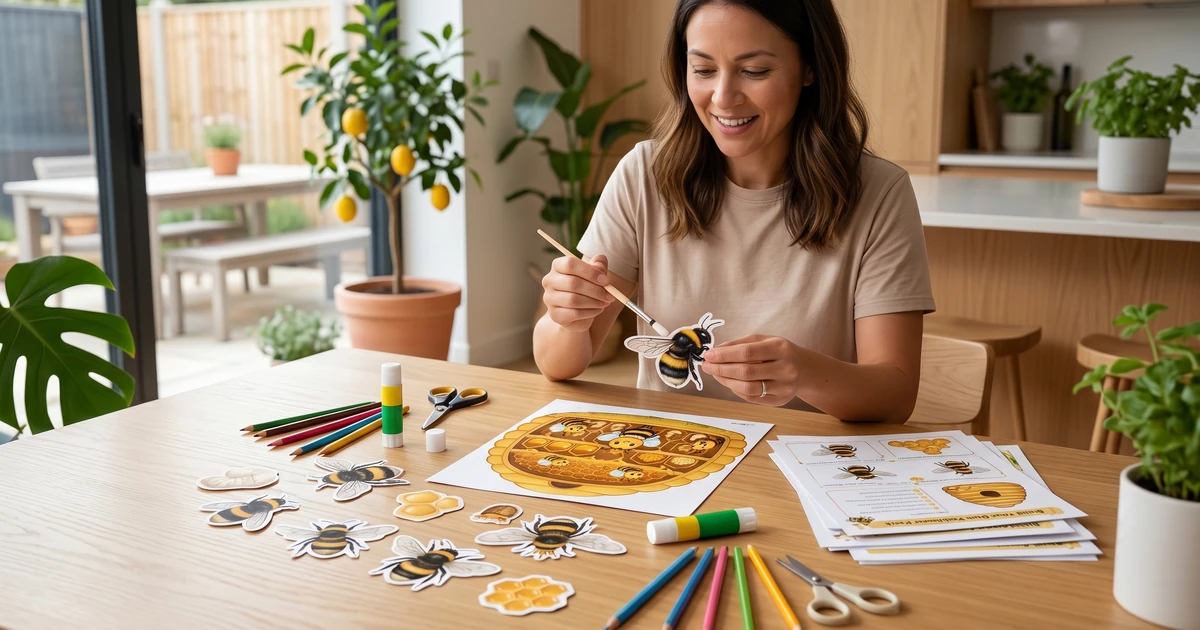
The KubbyLab Beehive Discovery Printable Workbook is one option that hits most of these criteria. It’s a 50-page printable pack with nature-themed pages designed specifically for the 3-5 age range. Worth having a look at if you’re building out your restaurant bag printables.
For a deeper look at screen-free activities that work in various settings, the 35 Quiet-Time Screen Free Learning Activities for Preschoolers is worth bookmarking.
Screen-Free Doesn’t Mean Boring: Why It Actually Works Better Long-Term
I know handing over a phone feels like the path of least resistance. And sometimes it genuinely is. But parents who’ve shifted to screen-free portable quiet activities for kids at restaurants consistently report something surprising: their children become better at waiting over time.
Screens provide instant, passive stimulation. The brain doesn’t have to do anything. Activities like coloring, tracing, and matching require gentle focus, which is actually a skill that builds with repetition.
According to Zero to Three, self-regulation skills in young children are strengthened through repetitive, structured play experiences, not passive entertainment.
Kids who practice waiting with hands-on activities get better at it. That’s the long game. And it pays off far beyond restaurant visits.
The short version: screen-free activities teach preschoolers to be calm, not just distracted.
Quick Cost Breakdown: What a Restaurant Activity Kit Actually Costs
| Item | Estimated Cost | Notes |
|---|---|---|
| Printable activity pack (PDF) | $3-$12 | Reusable, print as many copies as needed |
| Home printer ink per page | ~$0.04-$0.08 | Minimal cost per sheet |
| Small crayon set (6-8 pack) | $1-$3 | Replace every few months |
| Small zipper bag or folder | $1-$5 | One-time purchase |
| Total to get started | ~$6-$20 | Far cheaper than one ruined dinner |
Compare that to the cost of a ruined dinner (either from stress, leaving early, or the dessert bribery spiral) and the math is extremely clear.
Read the Full Guide
If you want a complete, curated list of what’s working for parents right now, the full article covers 14 tested options across different settings, ages, and budgets.
14 Screen-Free Preschool Printable Activities That Spark Nature Curiosity
You might also find these useful:
Frequently Asked Questions
Q: What age do portable quiet activities start working at restaurants?
Most parents find structured activities start holding attention around age 2.5 to 3. Before that, simpler sensory items (a soft toy, a board book) tend to work better. By age 3, most preschoolers can engage with coloring or simple matching activities for 10-20 minutes at a stretch.
Q: How many activities should I pack for a restaurant visit?
Three is the sweet spot. One primary activity (usually coloring or a workbook page), one backup (stickers or a small puzzle), and one “emergency” option for if things go sideways. More than three tends to overwhelm or scatter attention.
Q: My child loses interest really fast. What helps?
Novelty is the single biggest factor. Rotating your printables so your child never sees the same sheet twice makes a significant difference. Also, introducing the activity fresh at the table (rather than letting them see it in the car) keeps the novelty factor higher.
Q: Are crayons or colored pencils better for restaurant use?
Crayons are generally better for kids under 4 because they’re easier to grip and harder to snap. Colored pencils work well for 4+ year olds. Both are low-mess compared to markers, which can bleed through paper onto tablecloths.
Q: Do themed printables really matter, or is any coloring page fine?
Themed content makes a genuine difference for preschoolers. A child who loves animals will engage longer with a bee-themed tracing worksheet than a generic geometric pattern. Matching the content to your child’s current interests is a simple way to extend engagement time by 5-10 extra minutes.
Take the Next Step!
Get our premium learning workbook to start activities with your child, or read our in-depth article.
Recommended Resources & Workbooks
Pair this guide with our hands-on, ready-to-print learning resources.
 Digital Bundle
Learn to Read Program: Levels 1-3
170 sequenced phonics lessons across 199 pages, from first letter sounds to fluent long-vowel reading.
 Digital Learning Bundle
Preschool Learning Bundle
260+ printable worksheets for tracing, ABCs, numbers, shapes, sight words, and kindergarten prep.
 Digital Learning Bundle
Play-Based Learning Bundle for Ages 3-6
230+ play-based learning activities with pretend play, reading, early math, creative arts, and bonus flashcards.
Related Guides & Articles
Explore more of our detailed guides and activities.
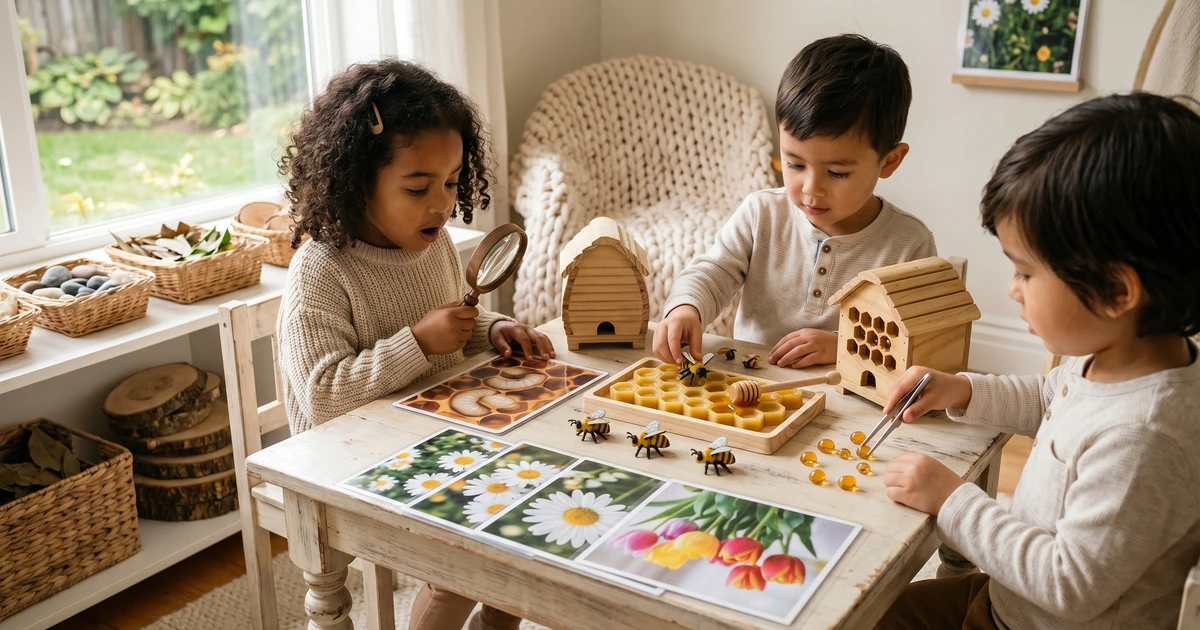
14 Screen-Free Preschool Printable Activities That Spark
Discover 14 captivating screen-free preschool printable activities that introduce nature and science. Perfect for quiet time, travel, and curious 3...
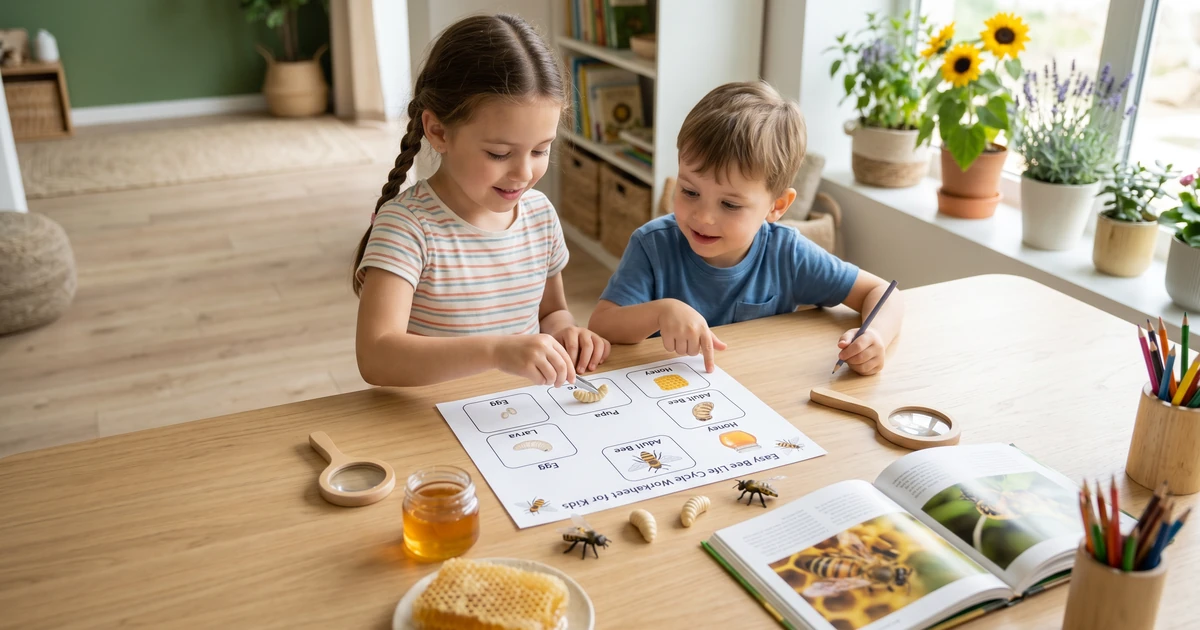
Easy Bee Life Cycle Worksheet for Kids From Egg to Honey
Teaching young children about nature is one of the most rewarding things you can do as a parent or educator. And the bee life cycle worksheet for kids
Build Your Own Pollinator Printable Pack for Kindergarten
Kindergartners are naturally drawn to bugs, flowers, and anything that buzzes or flutters past a window. A well-designed pollinator printable pack ...
35 Quiet-Time Screen Free Learning Activities for Preschoolers
Screen time for preschoolers is one of the most debated topics in early childhood education right now. Parents ask me constantly: "How do I keep my...