
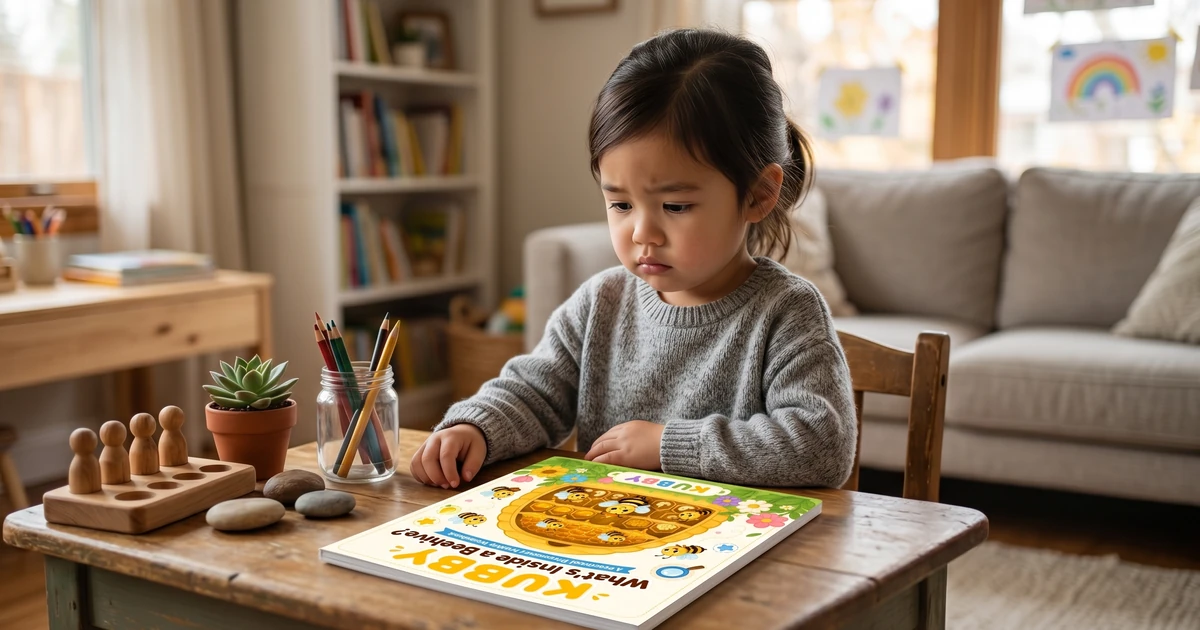
The Hidden Anxiety Behind 'I Don't Want to Color' in Preschoolers
It starts with something small. You set out the crayons, smooth down a blank sheet of paper, and your four-year-old looks at it like it's a math exam. "I d
It starts with something small. You set out the crayons, smooth down a blank sheet of paper, and your four-year-old looks at it like it’s a math exam. “I don’t know how.” “Mine will look bad.” “You do it.” And then the tears, or the total shutdown, or the crumpled paper thrown across the table.
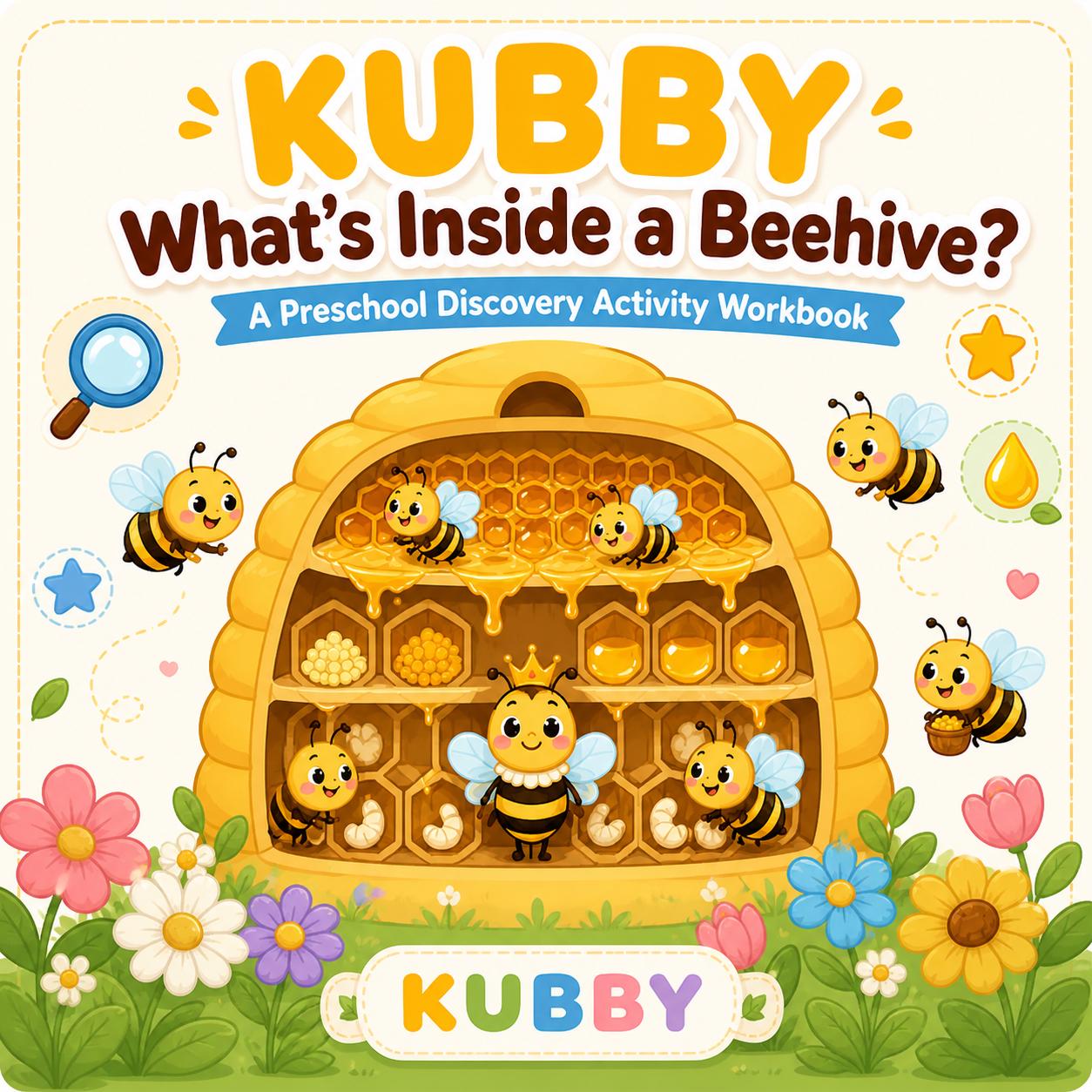
DISCOVERY ACTIVITY WORKBOOKBeehive Discovery 50-Page Printable Preschool Workbook
This 50-page printable workbook turns screen time into hands-on discovery time, guiding preschoolers through the secret world of bees, pollination, and beekeepers. With 25 double-page spreads pairing fascinating facts with immediate activities, it keeps little
If that sounds familiar, you’re not alone. Art anxiety in preschoolers is far more common than most parents realize, and it has almost nothing to do with artistic talent. It has everything to do with how a child experiences open-ended tasks, fear of making mistakes, and the pressure (real or imagined) to produce something “right.”
I spent a lot of time researching this topic, reading through child development research, analyzing what early childhood educators recommend, and digging into what parents consistently report actually works. What I found surprised me. The fix is rarely about art supplies or techniques. It’s about how we frame the whole experience.
Key Takeaways:
- Art anxiety in preschoolers is rooted in fear of failure, not lack of ability
- Structured starting points (like guided worksheets) reduce the “blank page panic” that triggers shutdown
- Process-focused language from caregivers makes a bigger difference than any activity or tool
- A consistent, low-pressure creative routine builds confidence over 2 to 4 weeks
- Combining sensory, nature, and guided art activities keeps reluctant artists engaged longer
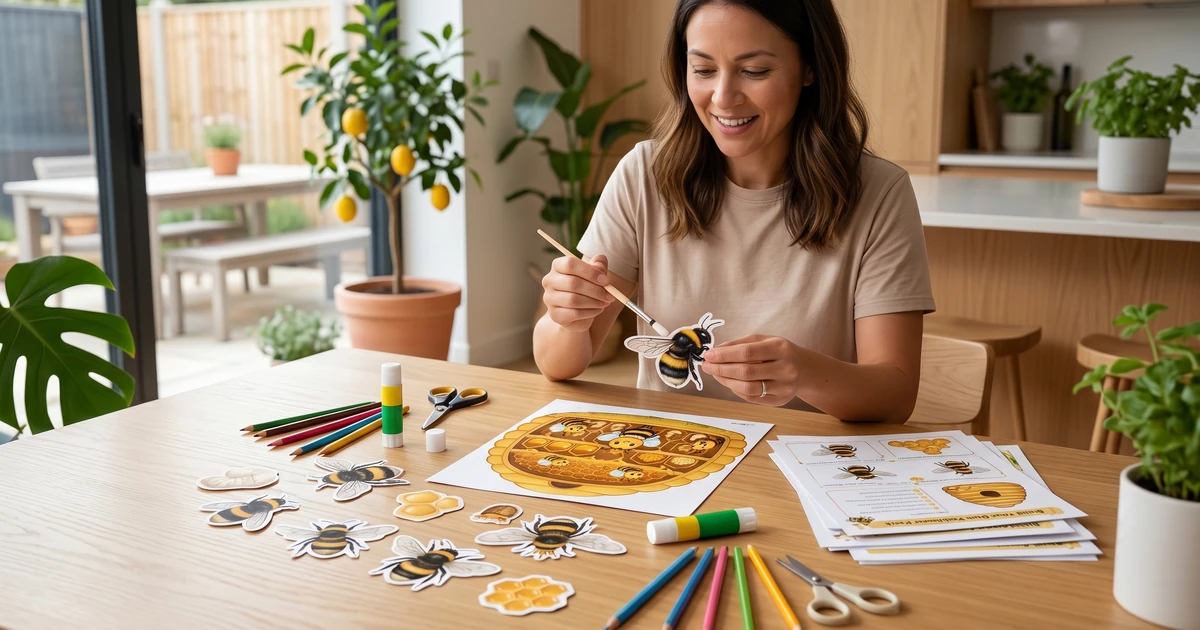
!A calm preschooler drawing at a table surrounded by nature-themed art supplies
Why Preschoolers Develop Art Anxiety in the First Place
Art anxiety is the emotional distress a child feels when asked to create something, usually driven by perfectionism, comparison, or a previous experience where their work was criticized or corrected.
According to the National Association for the Education of Young Children (NAEYC), children between ages 3 and 5 are in a critical window for creative development. During this period, external feedback shapes whether a child sees themselves as “a creative person” or not. One throwaway comment (“that sun doesn’t really look like that”) can stick for years.
Here’s what the research consistently shows:
-
Perfectionism in preschoolers often comes from watching adults or older siblings produce realistic-looking art
-
Comparison to peers during group craft time creates a ranking mindset that shuts down play
-
Premature correction teaches children their instincts are wrong before they’ve had a chance to trust them
-
Blank page panic is a real phenomenon. Open-ended tasks with no starting point overwhelm children who need gentle structure to feel safe
“When adults focus on the product rather than the process, children learn to do the same. The result is anxiety, not creativity.” - NAEYC, Developmentally Appropriate Practice in Early Childhood Programs
The good news is that this is almost entirely reversible with the right environment and approach.
The root issue isn’t talent. It’s emotional safety.
The Blank Page Problem (And the Simple Fix That Works)
One of the most consistent findings I came across in parent forums and educator feedback is this: reluctant artists do dramatically better with a structured starting point than with total freedom.
This runs counter to what a lot of us assume. We think “freedom = creativity.” But for a 4-year-old who’s already anxious about getting it wrong, a completely blank page isn’t freedom. It’s a trap.
A preschool art anxiety worksheet works by giving children just enough structure to feel safe, while still leaving plenty of room for personal expression. Think light outlines to color inside. Guided prompts like “draw what the bee sees.” Simple shapes to decorate rather than create from scratch.
Pro Tip: The goal of a structured worksheet isn’t to limit creativity. It’s to lower the activation energy required to START. Once a child is engaged and moving, the anxiety drops on its own.
Here’s how a guided worksheet approach differs from free drawing for anxious preschoolers:
| Approach | Blank Paper | Guided Worksheet |
|---|---|---|
| Starting point | None (overwhelming) | Partial image or prompt (accessible) |
| Fear of “wrong” answer | High | Low (no single right answer) |
| Completion confidence | Low | High |
| Engagement for anxious kids | Inconsistent | Consistently better |
| Creativity expressed | Often blocked | Often flows once started |
| Best for | Confident, self-directed kids | All kids, especially hesitant ones |
A little structure is not the enemy of creativity. For anxious kids, it’s the door that opens it.
What to Say (And What Not to Say) During Art Time
The language you use while your child is creating matters more than almost anything else. I know that sounds dramatic, but the research backs it up hard.
Here’s a comparison of the two types of adult responses and what they signal to a preschooler:
| What You Say | What the Child Hears | Effect |
|---|---|---|
| ”That’s so beautiful!" | "My work will be judged” | Increases performance anxiety |
| ”What a perfect bee!" | "It needs to look like something specific” | Promotes perfectionism |
| ”Tell me about your drawing" | "My ideas matter” | Builds confidence |
| ”I love how you used yellow there" | "My choices are noticed, not graded” | Encourages experimentation |
| ”You worked really hard on that" | "Effort is what counts” | Growth mindset reinforcement |
| ”Let me fix that part for you" | "I’m not capable of doing it right” | Destroys creative confidence |
The shift from product praise (“it’s beautiful”) to process observation (“I see you mixed two colors together”) is one of the highest-use changes you can make. According to Stanford’s research on growth mindset, effort-based feedback in early childhood directly predicts creative risk-taking in later years.
“Praise the effort, not the outcome. That simple shift changes everything about how a child relates to challenge.” - Carol Dweck, Mindset: The New Psychology of Success
Your words during art time are more powerful than any worksheet or supply.
Building a Low-Pressure Creative Routine (Step by Step)
Consistency is what transforms a reluctant artist into a confident one. A one-time special art session doesn’t move the needle. But 10 to 15 minutes of low-pressure creative time, 4 or 5 days a week, absolutely does.
Here’s the routine structure that early childhood educators consistently recommend for anxious preschoolers:
Step 1: Set Up the Space Before They Arrive
Anxiety spikes when a child feels put on the spot. Have the worksheet, crayons, and any supplies already laid out before you invite them over. No fuss, no performance. Just a ready, welcoming space.
Step 2: Sit With Them (Without Directing)
Your physical presence reduces anxiety. But stay quiet. Don’t suggest what colors to use or what to add. Just be nearby, maybe doing your own doodling.
Step 3: Start With a Warm-Up Question
Ask something curious, not creative. “What do you think bees see when they fly?” or “Do you think flowers have feelings?” This gets their brain into storytelling mode before the pencil hits paper.
Step 4: Use a Guided Prompt or Worksheet
This is where a structured activity like a preschool art anxiety worksheet earns its place. Give them something to respond to, not something to replicate. Nature themes, animals, seasons, and sensory prompts work especially well.
Step 5: End on Celebration of Effort, Not Outcome
Before you pack up, say one specific thing you noticed. Not “I love it” but “I noticed you decided to make the wings purple. I was curious about that.” This closes the loop with curiosity, not judgment.
A repeatable, calm routine does more for art anxiety than any single activity ever could.
Nature-Themed Art Activities That Work Especially Well for Reluctant Preschoolers
Nature is one of the most effective themes for anxious young artists, and there’s a practical reason for it. In nature, there’s no “wrong.” Flowers come in every color. Bugs have unexpected shapes. Leaves are all different. This gives children implicit permission to create freely.
Some of the most effective nature-based art activities for anxious preschoolers include:
- Leaf rubbings (sensory, low-stakes, always looks interesting)
- Bee and insect coloring with guided outlines (structured enough to feel safe, open enough for color choices)
- Nature observation drawing (“draw one thing you see outside”)
- Collage with natural materials (no drawing required, highly accessible)
- Color mixing with flower-themed prompts (process-focused, no “right” result)
These activities pair beautifully with themed printable worksheets. If you’re building out a full nature-themed learning week, the Easy Bee Life Cycle Worksheet for Kids is a great companion for combining science curiosity with low-pressure art.
For quieter days when you need something calm and independent, the 35 Quiet-Time Screen Free Learning Activities for Preschoolers has a wide range of options that work well alongside art activities.
Nature-themed art removes the “wrong answer” fear because children know that nature doesn’t follow rules.
How Much Does a Good Preschool Art Routine Actually Cost?
One thing I want to address directly: you don’t need to spend a lot. Here’s a realistic cost breakdown for building a solid, anxiety-friendly art setup at home.
| Item | Price Range | Notes |
|---|---|---|
| Basic crayons (washable) | $3 to $6 | Washable reduces mess anxiety for kids and parents |
| Watercolor set (kids) | $4 to $8 | Process-focused, hard to “ruin” |
| Printable worksheet pack | $5 to $12 | One-time cost, reusable for multiple kids |
| Construction paper | $5 to $8 | Colored paper reduces blank-white-page panic |
| Stamps and ink | $6 to $12 | Great for non-drawing entry points |
| Total | $23 to $46 | Full setup, no subscription needed |
Printable workbooks like the KubbyLab Beehive Discovery Workbook offer 50 pages of structured, nature-themed activities in one download, which spreads the cost across weeks of use. For families doing regular screen-free learning time, that kind of variety in one resource saves a lot of scrambling.
For the Full Guide on Screen-Free Preschool Activities
Everything I’ve covered here is the starting point. The deeper content, including a full breakdown of screen-free printable activities, how to build a nature discovery routine, and what to look for in a quality preschool workbook, is all in the complete guide.
Read the full article: 14 Screen-Free Preschool Printable Activities That Spark Nature Curiosity
You’ll also find related resources there, including the Build Your Own Pollinator Printable Pack for Kindergarten Science, which pairs beautifully with art-based nature exploration.
Frequently Asked Questions
Is it normal for a preschooler to refuse to do art?
Yes, completely. Many children between ages 3 and 6 go through phases of art refusal, especially if they’ve had an experience where their work was corrected or compared to others. It doesn’t mean your child isn’t creative. It usually means they need lower-stakes starting points and more process-focused encouragement before the confidence returns.
What’s the difference between a regular coloring sheet and a preschool art anxiety worksheet?
A standard coloring sheet gives a child an image to fill in, which can actually increase anxiety if the child worries about staying inside the lines or picking the “right” colors. An art anxiety worksheet is designed with open-ended prompts, partial images, and guided questions that invite personal expression rather than replication. The goal is to engage curiosity, not measure accuracy.
How long does it take to build creative confidence in an anxious preschooler?
Most parents and educators report noticeable shifts within 2 to 4 weeks of consistent, low-pressure creative time. The key word is consistent. Short, regular sessions (10 to 15 minutes, 4 or 5 times a week) work much better than occasional longer sessions. Progress also accelerates when caregivers switch from product praise to process observation language.
Should I push my child to finish an art activity if they want to stop?
No. Pushing through resistance during art time tends to reinforce the anxiety rather than reduce it. A better approach is to end the session positively, even if only one small thing was completed, and return to it the next day. Ending on a small win is more valuable than finishing a whole worksheet.
What age does art anxiety typically start?
It most commonly surfaces between ages 3 and 5, when children become more aware of how their work compares to others. It can also spike during the transition to preschool or kindergarten, where group art activities introduce social comparison for the first time.
Kubby writes about early childhood learning resources, screen-free activities, and nature-based education for KubbyLab. All content is researched from child development studies, educator guidance, and real parent experience.
Take the Next Step!
Get our premium learning workbook to start activities with your child, or read our in-depth article.
Recommended Resources & Workbooks
Pair this guide with our hands-on, ready-to-print learning resources.
 Digital Bundle
Learn to Read Program: Levels 1-3
170 sequenced phonics lessons across 199 pages, from first letter sounds to fluent long-vowel reading.
 Digital Learning Bundle
Preschool Learning Bundle
260+ printable worksheets for tracing, ABCs, numbers, shapes, sight words, and kindergarten prep.
 Digital Learning Bundle
Play-Based Learning Bundle for Ages 3-6
230+ play-based learning activities with pretend play, reading, early math, creative arts, and bonus flashcards.
Related Guides & Articles
Explore more of our detailed guides and activities.
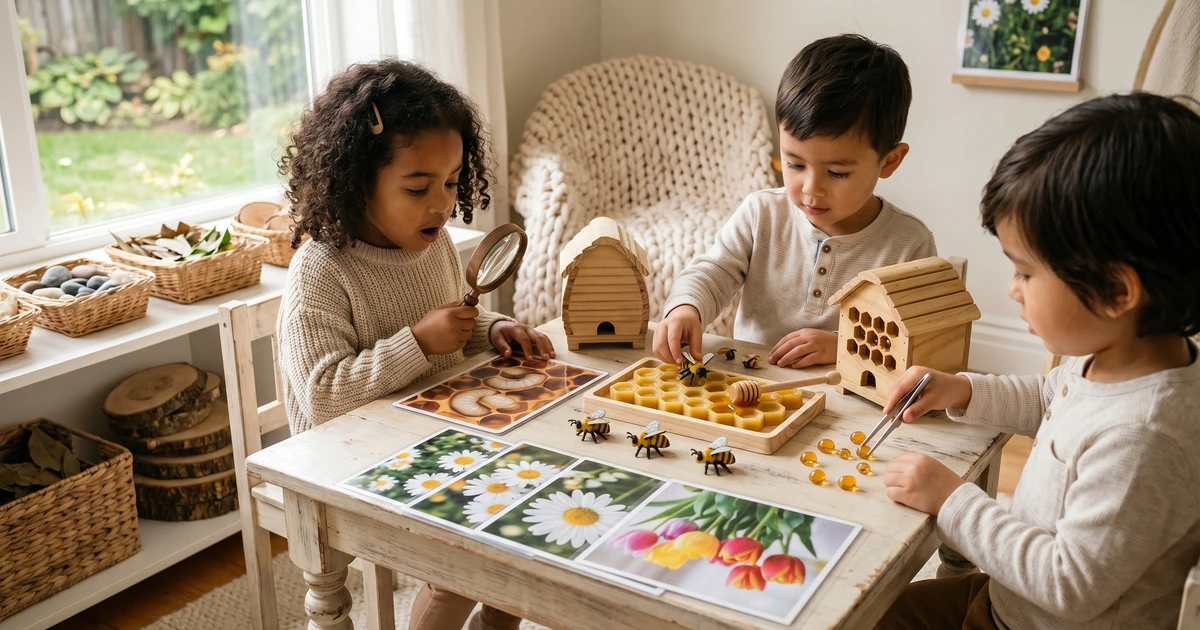
14 Screen-Free Preschool Printable Activities That Spark
Discover 14 captivating screen-free preschool printable activities that introduce nature and science. Perfect for quiet time, travel, and curious 3...
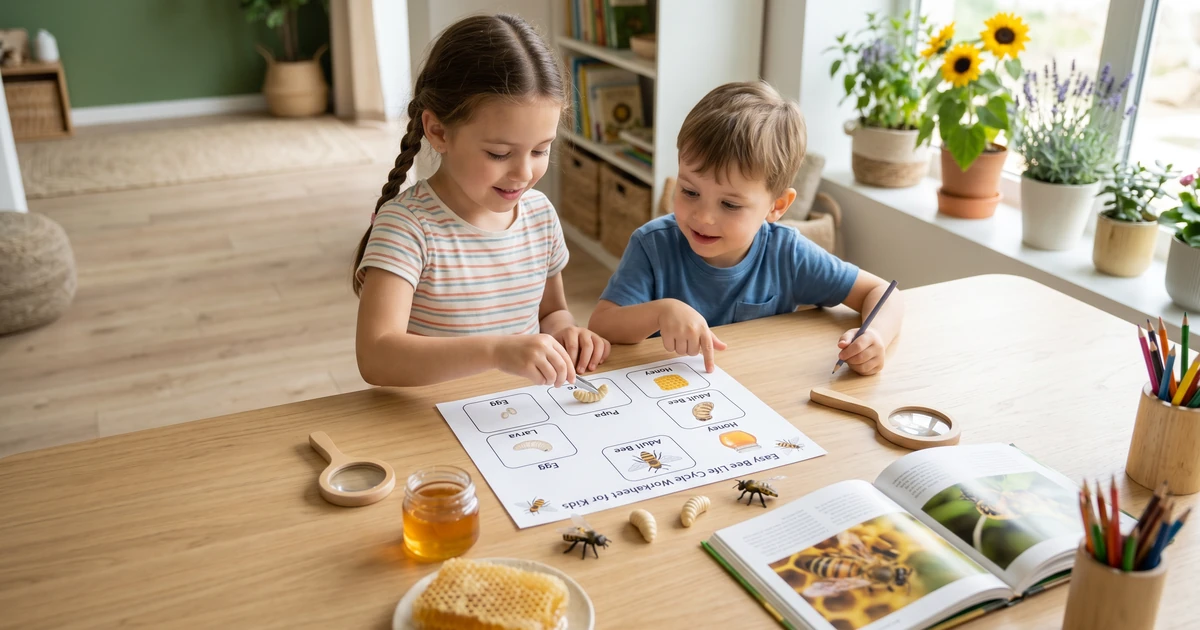
Easy Bee Life Cycle Worksheet for Kids From Egg to Honey
Teaching young children about nature is one of the most rewarding things you can do as a parent or educator. And the bee life cycle worksheet for kids
Build Your Own Pollinator Printable Pack for Kindergarten
Kindergartners are naturally drawn to bugs, flowers, and anything that buzzes or flutters past a window. A well-designed pollinator printable pack ...
35 Quiet-Time Screen Free Learning Activities for Preschoolers
Screen time for preschoolers is one of the most debated topics in early childhood education right now. Parents ask me constantly: "How do I keep my...