
The $0.12 Quiet Time Hack That Keeps Kids Busy for 45 Minutes
It's 2pm. Your preschooler has officially declared naptime "over forever," your to-do list is still staring at you, and the TV has already been on longer t
It’s 2pm. Your preschooler has officially declared naptime “over forever,” your to-do list is still staring at you, and the TV has already been on longer than you planned. You need something (anything) that will keep little hands busy, little minds engaged, and the noise level somewhere below “neighborhood concern.”
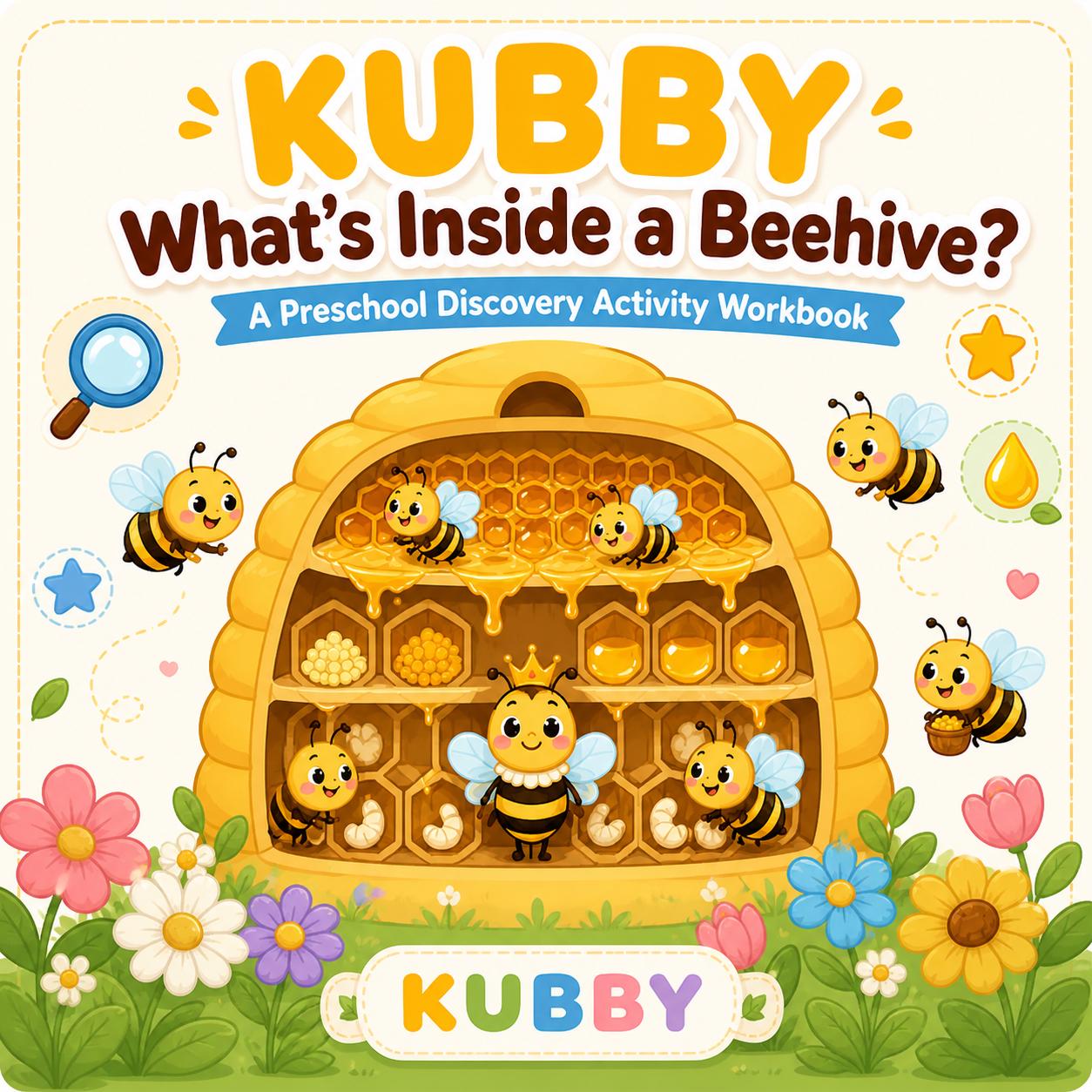
DISCOVERY ACTIVITY WORKBOOKBeehive Discovery 50-Page Printable Preschool Workbook
This 50-page printable workbook turns screen time into hands-on discovery time, guiding preschoolers through the secret world of bees, pollination, and beekeepers. With 25 double-page spreads pairing fascinating facts with immediate activities, it keeps little
Sound familiar? Yeah. I’ve been there too.
The good news: cheap quiet time activities printables are one of the most underrated parenting tools out there. Print a few pages, hand over some crayons, and you can get 20-45 minutes of genuine focused play for almost nothing. The hard part is knowing which ones actually work for preschoolers versus which ones end up crumpled on the floor after 90 seconds.
I spent a lot of time researching this exact problem. I dug through parent forums, analyzed hundreds of reviews, and compared dozens of free and low-cost printable options so you don’t have to. Here’s what I found.
Key Takeaways:
- Cheap quiet time printables can cost as little as $0-$5 for a full set of activities
- The best ones for preschoolers combine tracing, coloring, matching, and simple puzzles
- Nature and animal themes consistently keep 3-5 year olds engaged the longest
- You don’t need a printer upgrade or special paper, standard home printing works fine
- A single well-designed workbook can replace 10+ separate activity sheets
!A preschooler sitting at a small table coloring a nature-themed printable worksheet
Why Preschoolers Actually Need Quiet Time Activities (It’s Not Just About You)
Here’s something a lot of parenting resources skip over: quiet time isn’t just a survival tactic for tired parents. It’s genuinely valuable for young children.
“Independent quiet play helps preschoolers develop self-regulation, focus, and the ability to entertain themselves, all critical skills for kindergarten readiness.” - American Academy of Pediatrics
When a 3 or 4-year-old sits down with a tracing worksheet or a simple matching activity, they’re practicing fine motor control, building concentration, and learning to work through a small task from start to finish. That’s real cognitive work happening in what looks like “just coloring.”
The problem is that most cheap printables online are either too babyish (boring after one minute), too hard (frustrating and abandoned fast), or just not interesting enough to hold attention without a parent sitting right there.
The sweet spot is printables that feel like play but are quietly educational.
What Makes a Quiet Time Printable Actually Work for Preschoolers
After analyzing what parents consistently report works (and what ends up ignored), I found that the best quiet time activities for preschoolers share a few specific traits.
They Include Multiple Activity Types on a Single Theme
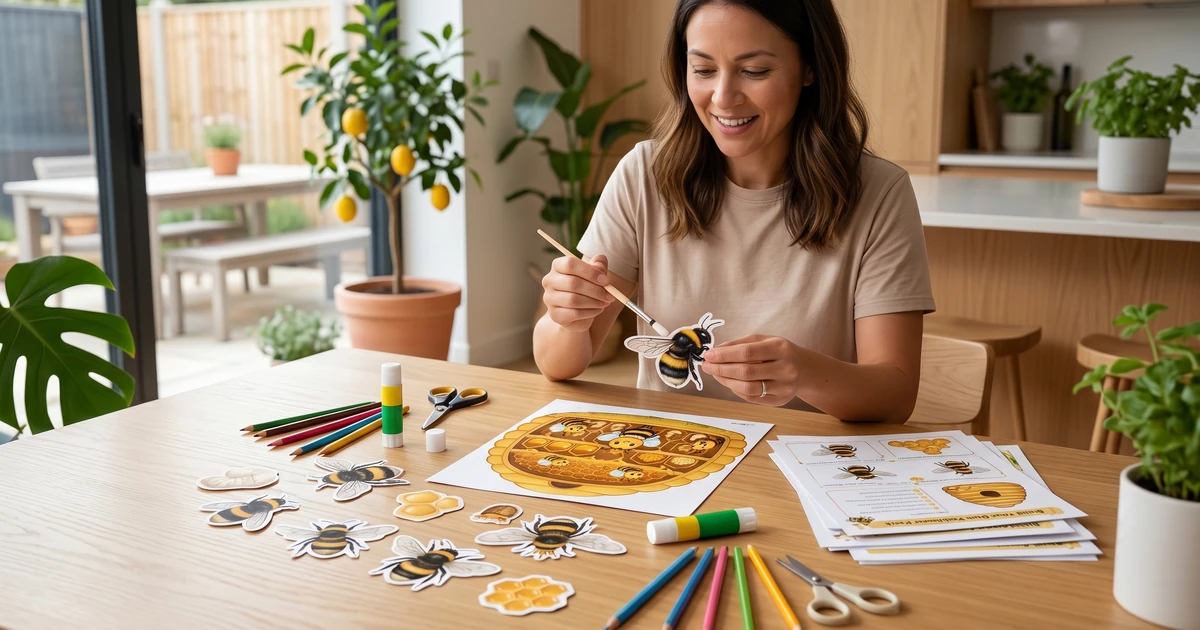
A worksheet that’s just coloring gets old fast. But a set built around one theme (say, bees and pollinators) that includes coloring, tracing letters, counting, matching, and a simple maze? Kids stay in that world. They move from page to page without losing interest because the characters and visuals stay consistent.
They’re Calibrated to the Right Difficulty Level
Too easy = done in 2 minutes and bored. Too hard = tears and “I can’t do it.” The printables that get the best feedback from parents are ones with:
-
Large tracing lines (not tiny, cramped spaces)
-
Simple counting tasks (1-10, not complex addition)
-
Clear, bold visuals with enough white space to color comfortably
-
Matching tasks with obvious visual cues
They Don’t Require Setup or Explanation
The best quiet time activities are ones you can hand to a child with minimal instruction. If you have to sit down and explain the rules for 5 minutes, it’s not a quiet time activity anymore. Look for printables with clear visual instructions built right into the page.
Pro Tip: Print 3-5 pages at a time and put them in a simple folder or clipboard. When one activity is done, your child can flip to the next one independently. This extends quiet time significantly without any extra effort from you.
How Much Do Quiet Time Printables Actually Cost?
One of the biggest misconceptions is that quality educational printables are expensive. They’re really not.
| Option | Cost | Pages/Activities | Best For |
|---|---|---|---|
| Free printables (random sites) | $0 | 1-3 per download | Occasional use, testing interest |
| Single-theme free packs | $0 | 5-10 pages | Short-term themes |
| Low-cost Etsy/shop packs | $2-$5 | 20-50+ pages | Regular quiet time routine |
| Subscription services | $10-$15/month | Unlimited | Families who print constantly |
| Workbooks (physical, store) | $5-$12 | 30-80 pages | No printing required |
For most families, a $3-$5 printable workbook is the sweet spot. You get enough content to last weeks or months, and the per-page cost works out to literal cents.
A 50-page themed printable pack used over 4-6 weeks costs less than one cup of coffee.
The Best Quiet Time Activity Types for Preschoolers (Ranked by Parent Reports)
Based on what parents in forums and review sections consistently say keeps their 3-5 year olds engaged the longest, here’s how the most common activity types stack up:
| Activity Type | Avg. Engagement Time | Fine Motor Practice | Works Independently? | Best Age |
|---|---|---|---|---|
| Themed coloring pages | 10-20 min | Medium | Yes | 2.5+ |
| Tracing (letters/numbers) | 5-15 min | High | Mostly | 3.5+ |
| Simple mazes | 5-10 min | Medium | Yes | 4+ |
| Matching/sorting activities | 10-20 min | Low | Yes | 3+ |
| Cut-and-paste (supervised) | 15-25 min | Very High | No (scissors) | 4+ |
| Pattern completion | 10-15 min | Low | Yes | 3.5+ |
| I Spy / search activities | 15-30 min | Low | Yes | 3+ |
“Fine motor activities like tracing and cutting are some of the best ways to prepare preschoolers for writing without formal instruction.” - National Association for the Education of Young Children (NAEYC)
Mixing 2-3 activity types in one sitting keeps preschoolers busy far longer than any single type alone.
Nature Themes Work Better Than Random Themes (Here’s Why)
This one surprised me when I started digging into parent feedback. Activities built around nature, animals, and outdoor themes consistently get reported as more engaging than generic shapes, random objects, or cartoon characters.
My theory after reading through a lot of reviews: nature themes give curious preschoolers something to ask questions about. A bee worksheet isn’t just coloring. It’s “why does the bee have stripes?” and “what’s a hive?” That curiosity extends the activity naturally.
Some of the most popular nature themes for preschool printables right now include:
- Bees and pollinators (huge right now, lots of counting/matching potential)
- Butterflies and life cycles (transformation concept is fascinating to kids)
- Garden and plants (seeds, flowers, vegetables)
- Birds and nests (great for spring/summer)
- Forest animals (bears, foxes, deer)
According to the Cornell Lab of Ornithology, nature-based early learning activities increase attention span and reduce stress in young children, making them genuinely better quiet time tools.
If you’re looking for a good starting point, the Easy Bee Life Cycle Worksheet for Kids (From Egg to Honey) is one of the most popular nature-themed options I’ve come across for this age group.
Step-by-Step: Setting Up a Quiet Time Printable Routine That Actually Sticks
Step 1: Pick a Consistent Time
Same time every day makes quiet time feel like a natural part of the routine, not a punishment. Right after lunch works well for most preschoolers (natural energy dip, no screens needed).
Step 2: Prepare a “Quiet Time Basket”
A simple basket or box with crayons, a pencil, and a small stack of pre-printed activities removes all friction. Your child knows exactly what quiet time looks like before it starts.
Step 3: Start With 15 Minutes
Don’t aim for an hour on day one. Build up gradually. Most parents report that after 1-2 weeks of consistent 15-minute sessions, preschoolers will naturally extend the time on their own because they get absorbed in the activity.
Step 4: Rotate Activity Types Weekly
Use coloring pages one week, tracing the next, then mazes. Novelty keeps the routine fresh without requiring you to find all-new materials constantly.
Step 5: Let Them “Own” Their Work
Give your child a folder or special spot to keep completed pages. This small act of ownership increases motivation significantly. Kids who can see their stack of finished work are more likely to want to add to it.
Pro Tip: Laminate a few favorite pages and give your child dry-erase markers. They can do the same activity 5-10 times without printing more. This is especially effective for tracing and maze activities.
For the Complete Guide to Preschool Quiet Time Activities
I’ve put together a much deeper breakdown of the best screen-free quiet time strategies, including which printable types work best at each age, how to organize a full month of activities, and specific recommendations for nature-themed packs.
Read the full guide here: 35 Quiet-Time Screen Free Learning Activities for Preschoolers
And if you want to explore a full themed workbook approach (50+ activities built around one nature theme), the 14 Screen-Free Preschool Printable Activities That Spark Nature Curiosity article goes deep on why themed packs outperform random activity collections.
FAQ: Cheap Quiet Time Activities Printables
Q: How long should quiet time last for a 3 or 4-year-old?
Start with 15-20 minutes and build from there. Most developmental guidelines suggest that preschoolers can sustain focused independent activity for roughly their age in minutes (so 3 minutes per year of age as a baseline). In practice, engaging printables often hold attention longer than that, especially with a familiar theme.
Q: Do I need special paper or a good printer for printable activities?
No. Standard 8.5x11 copy paper and a basic inkjet printer work perfectly for preschool printables. If you want the pages to last longer, consider printing at “draft” quality to save ink, or laminating your most-used pages. There’s no need to spend extra on photo paper or cardstock for everyday activity sheets.
Q: My preschooler loses interest in activities after a few minutes. What helps?
Two things make the biggest difference based on parent reports. First, offer 2-3 different activity types in one sitting so there’s something new to move to. Second, match the difficulty to their current skill level. Activities that feel slightly challenging but achievable hold attention much better than ones that are too easy. Themed packs (like a bee or garden set) also help because the consistent characters give kids a reason to stay in that “world” longer.
Q: Are free printables as good as paid ones?
Sometimes, but usually not for regular use. Free printables tend to be one-off pages with inconsistent design quality and difficulty levels. Low-cost paid packs (usually $2-$5) are typically designed as cohesive sets with a consistent theme, graduated difficulty, and multiple activity types. For daily quiet time, a cohesive pack is worth the small cost. You can also check out the Build Your Own Pollinator Printable Pack for Kindergarten Science as an example of how themed sets work together as a system.
Q: What age are quiet time printables actually appropriate for?
Most tracing and simple activity printables are designed for ages 3-6. Simpler coloring pages work as young as 2.5. The key is matching the specific activity to your child’s current abilities. A 3-year-old might be ready for basic shape tracing but not letter tracing. A 5-year-old might find simple mazes easy but enjoy more complex cut-and-paste projects.
Kubby is the creator behind KubbyLab, where I research and share printable learning tools for early childhood. Browse more at kubbylab.com.
Take the Next Step!
Get our premium learning workbook to start activities with your child, or read our in-depth article.
Recommended Resources & Workbooks
Pair this guide with our hands-on, ready-to-print learning resources.
 Digital Bundle
Learn to Read Program: Levels 1-3
170 sequenced phonics lessons across 199 pages, from first letter sounds to fluent long-vowel reading.
 Digital Learning Bundle
Preschool Learning Bundle
260+ printable worksheets for tracing, ABCs, numbers, shapes, sight words, and kindergarten prep.
 Digital Learning Bundle
Play-Based Learning Bundle for Ages 3-6
230+ play-based learning activities with pretend play, reading, early math, creative arts, and bonus flashcards.
Related Guides & Articles
Explore more of our detailed guides and activities.
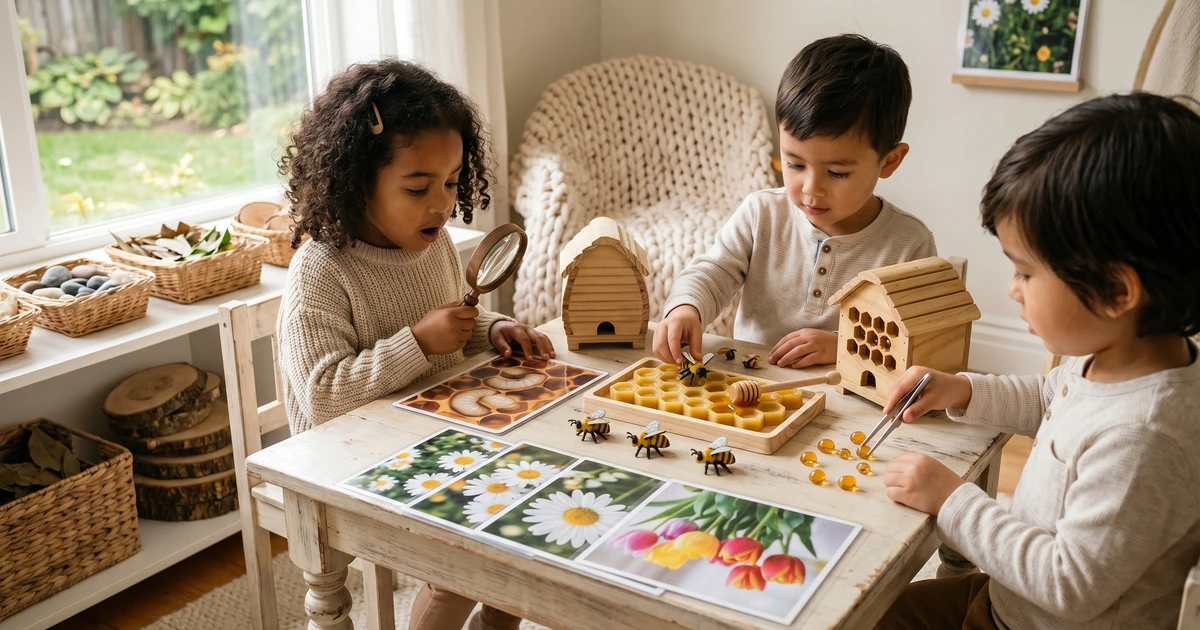
14 Screen-Free Preschool Printable Activities That Spark
Discover 14 captivating screen-free preschool printable activities that introduce nature and science. Perfect for quiet time, travel, and curious 3...
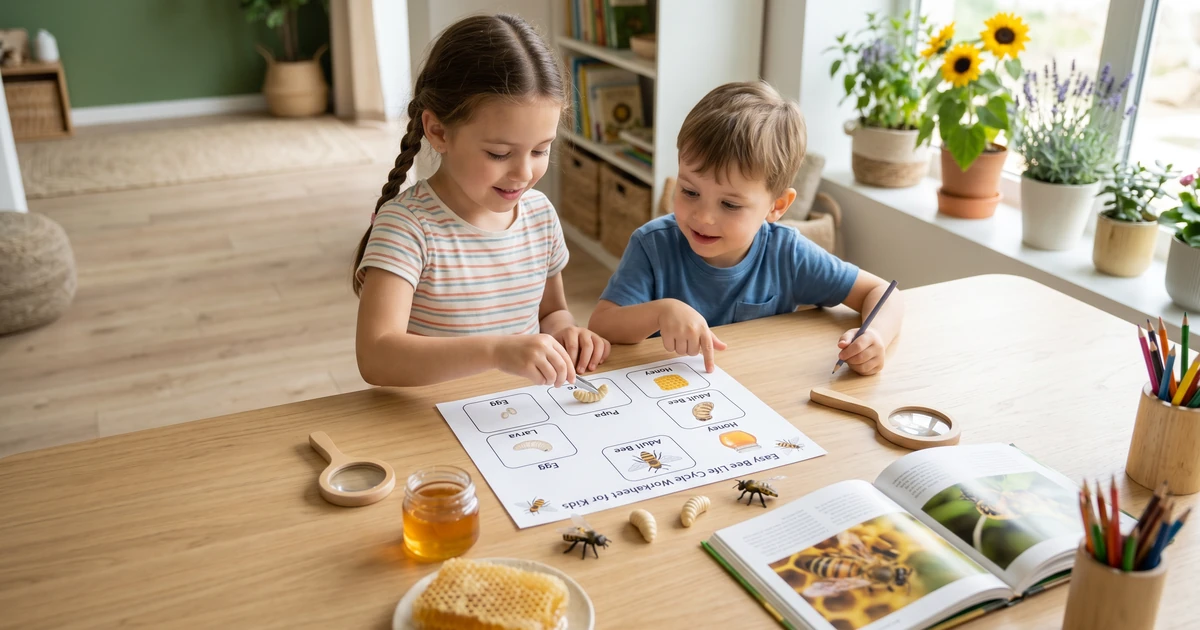
Easy Bee Life Cycle Worksheet for Kids From Egg to Honey
Teaching young children about nature is one of the most rewarding things you can do as a parent or educator. And the bee life cycle worksheet for kids
Build Your Own Pollinator Printable Pack for Kindergarten
Kindergartners are naturally drawn to bugs, flowers, and anything that buzzes or flutters past a window. A well-designed pollinator printable pack ...
35 Quiet-Time Screen Free Learning Activities for Preschoolers
Screen time for preschoolers is one of the most debated topics in early childhood education right now. Parents ask me constantly: "How do I keep my...