
Stop Buying 'Busy Books.' Your Wiggly Worm Needs a Story Arc
You printed something beautiful. Your preschooler sat down, did two pages, and wandered off to play with a cardboard box instead
You printed something beautiful. Your preschooler sat down, did two pages, and wandered off to play with a cardboard box instead.
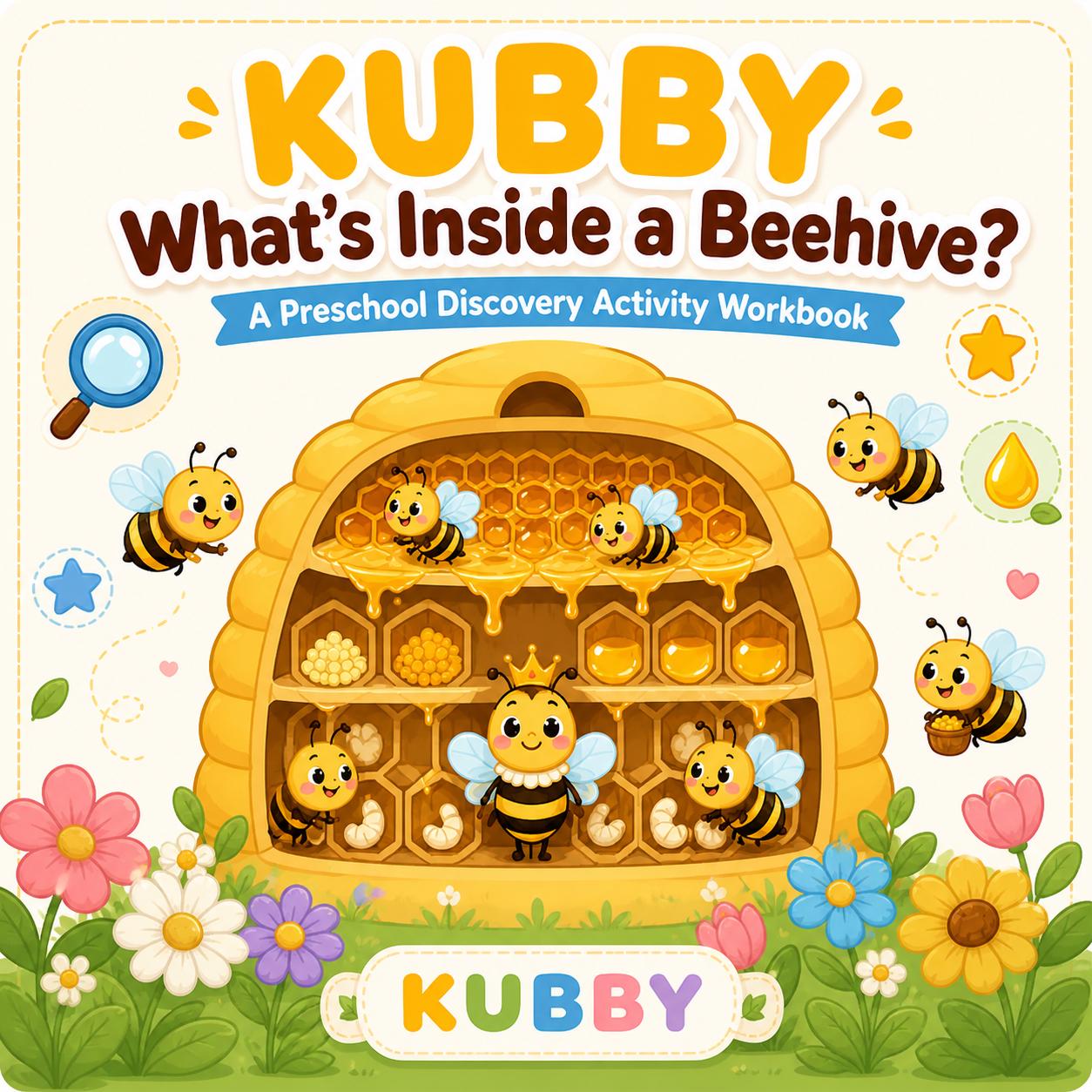
DISCOVERY ACTIVITY WORKBOOKBeehive Discovery 50-Page Printable Preschool Workbook
This 50-page printable workbook turns screen time into hands-on discovery time, guiding preschoolers through the secret world of bees, pollination, and beekeepers. With 25 double-page spreads pairing fascinating facts with immediate activities, it keeps little
If that sounds familiar, you’re not alone. It’s one of the most common frustrations I hear from parents who invest time (and real money) into printable learning materials. The pages look engaging. The concept is solid. But something isn’t clicking, and you’re left wondering whether the format itself is the problem.
That’s exactly what pushed me to spend 40+ hours researching educational busy books versus themed learning units, reading through hundreds of parent reviews, educator forums, and child development resources. What I found genuinely surprised me.
Key Takeaways:
- Busy books offer variety and flexibility but can lack the depth that builds real understanding
- Themed units create meaningful context that helps preschoolers retain concepts longer
- Neither format is universally better: the right choice depends on your child’s age, attention span, and learning style
- A hybrid approach (themed units with built-in variety) tends to produce the strongest engagement
- Cost-per-page isn’t the right metric, engagement-per-minute is
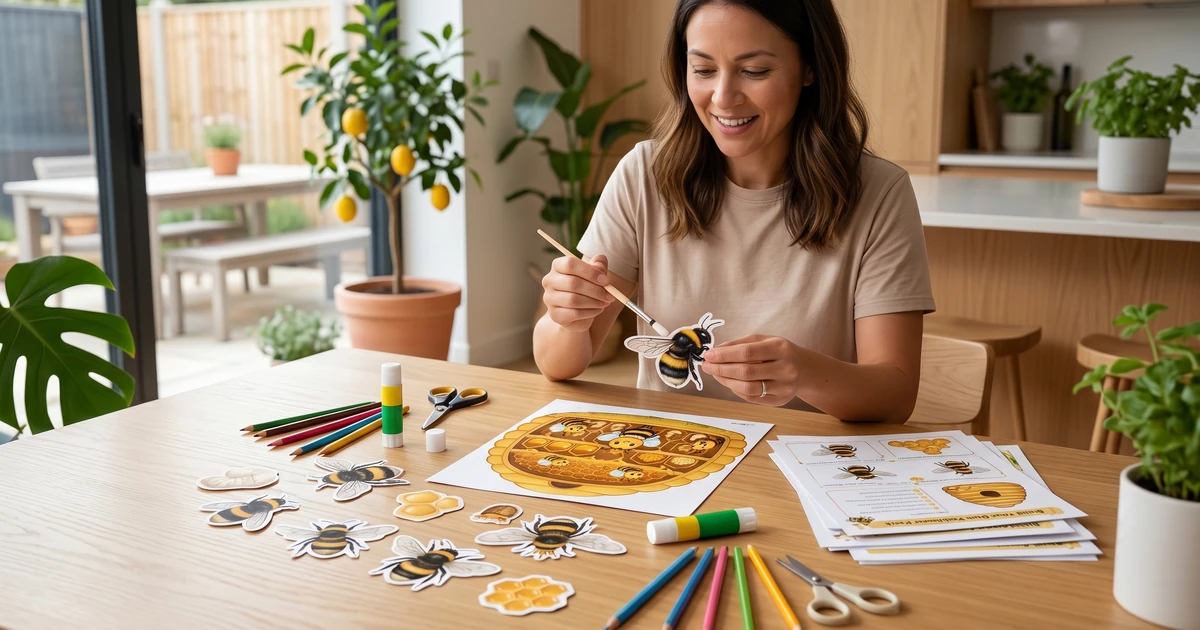
!A preschooler working through a colorful themed nature workbook at a wooden table
The Real Reason Preschoolers Abandon Generic Busy Books
Generic busy books are collections of unrelated activity pages bundled together: tracing letters on one page, counting apples on the next, then a maze, then a color-by-number. The variety sounds appealing. In practice, it often works against sustained attention.
Here’s what the research tells us. According to the American Academy of Pediatrics, young children learn best through experiences that connect to something meaningful to them. Jumping between disconnected topics every few minutes doesn’t give the brain a “hook” to attach new information to.
Parent reviews consistently back this up. When I analyzed feedback across parenting communities, the pattern was clear: children who showed the most enthusiasm were engaged in materials where one topic unfolded across multiple activities. They weren’t just doing a worksheet. They were discovering something.
The problem with most busy books isn’t the activities themselves. It’s the lack of a narrative thread.
What Themed Learning Units Actually Do Differently
A themed learning unit organizes all activities around a single topic (say, bees, seasons, or ocean life) so every page builds on what came before. A child traces a bee on Monday, matches bee body parts on Tuesday, counts honeycombs on Wednesday, and colors a life cycle diagram on Thursday. By Friday, they genuinely know something.
“Children construct knowledge through experience, and thematic learning gives them repeated exposure to concepts in varied ways, which is exactly what leads to deep understanding.” - Dr. Lillian Katz, early childhood education researcher, University of Illinois
This approach aligns with how preschool brains actually work. The theme becomes a mental container. New facts slot into it naturally because the context is already established.
Themed units also tend to be more parent-friendly. You’re not searching for a random activity each morning. You open the pack, pull the next page, and you’re already set.
A well-designed themed unit does the planning for you, and keeps your child curious about what comes next.
Comparing the Two Formats Side by Side
| Feature | Busy Books (Mixed) | Themed Learning Units |
|---|---|---|
| Topic variety | High | Low to moderate |
| Depth of learning | Surface level | Deep and connected |
| Child engagement (reviews) | Short bursts | Sustained sessions |
| Parental prep time | Low | Very low (pre-sequenced) |
| Reusability | Moderate | High (topic stays fresh) |
| Best age range | 2 to 3 years | 3 to 6 years |
| Vocabulary building | Scattered | Strong and cumulative |
| Works for active learners | Sometimes | Usually yes |
| Works for focused learners | Yes | Yes |
| Cost per pack (typical) | $5 to $15 | $4 to $12 |
Pro Tip: If your child is under 3, busy book variety works well because their attention windows are shorter and novelty drives engagement. Once they hit 3 to 4 years old, themed units tend to click much more effectively.
How to Tell Which Format Fits Your Child
Not every child learns the same way, and I’ve seen parents swap from one format to the other and get dramatically different results just by matching the material to their kid’s temperament.
Here’s a simple way to assess it:
Signs your child is ready for themed units:
-
They ask follow-up questions (“But why does a bee have stripes?”)
-
They remember characters or concepts from the previous day
-
They lose interest when activities feel random or disconnected
-
They’re between 3.5 and 6 years old
Signs a busy book might suit them better right now:
-
They tire of a topic quickly after 2 to 3 pages
-
They’re under 3 years old
-
They have shorter attention windows (under 10 minutes)
-
They respond better to novelty than repetition
You can also simply try both. Many parents I spoke with through my research use a busy book for restless mornings and a themed unit for quieter, more focused table time.
The Cost Breakdown: What You’re Actually Paying For
Parents often compare printable packs by price alone. That’s not a useful comparison when formats deliver entirely different outcomes.
| Format | Typical Price | Pages | Estimated Engagement Time | Cost Per Engaged Hour |
|---|---|---|---|---|
| Generic busy book (PDF) | $3 to $8 | 20 to 40 pages | 45 to 90 minutes | $0.05 to $0.18 |
| Themed learning unit (PDF) | $5 to $12 | 30 to 60 pages | 2 to 5 hours | $0.02 to $0.06 |
| Subscription box | $25 to $40/month | Varies | 4 to 8 hours | $0.08 to $0.17 |
| Screen-based app | $5 to $10/month | Unlimited | Highly variable | Varies |
The themed unit almost always wins on cost per engaged hour. When a child is genuinely interested in the content, they return to it. They ask to do “the bee pages again.” That replay value compounds the value significantly.
According to the National Association for the Education of Young Children, play-based, thematic learning builds executive function skills including focus, memory, and self-regulation. Those aren’t just academic outcomes. They’re life skills developing in real time.
What to Look for in a High-Quality Themed Preschool Pack
Not all themed units are created equal. After reviewing dozens of packs, here’s what separates the ones kids actually finish from the ones that get abandoned in a drawer.
| Criteria | What to Look For |
|---|---|
| Topic cohesion | Every activity connects to the theme, not just superficially |
| Skill variety | Mix of fine motor, cognitive, and creative tasks |
| Age-appropriate difficulty | Activities scale gently across pages |
| Visual clarity | Clean illustrations without overwhelming clutter |
| Print quality | Designed to look good in black-and-white AND color |
| No-prep format | Open and use, no laminating required for basic use |
| Vocabulary integration | Theme words appear naturally across multiple pages |
| Completion feel | Child feels a sense of accomplishment at the end |
Pro Tip: Look for packs that include a “capstone” activity at the end: something that pulls the whole theme together, like a mini-book, a badge, or a simple craft. Reviews consistently show that completion moments are huge for preschool confidence.
A Hybrid Approach Worth Considering
The format I’ve seen generate the most consistent enthusiasm from both kids and parents? A themed unit that builds in enough variety within the theme that it never feels repetitive.
A beekeeping-themed pack, for example, might include tracing, coloring, counting, cutting, matching, and a simple science observation, all connected to bees and honey. The child gets variety. The parent gets coherence. The learning sticks because there’s a real topic at the center.
This is the model behind resources like the Beehive Discovery printable workbook, which uses a nature-based theme to carry 50 pages of skill-building activities. It’s one example worth knowing about, though there are several quality themed packs available depending on your child’s current interests.
If bees don’t captivate your child right now, look for a theme that does and apply the same criteria. The format matters more than the specific subject.
Frequently Asked Questions
Q: Are busy books bad for preschoolers? No. Busy books serve a real purpose, especially for toddlers and children who need frequent novelty. The limitation isn’t quality, it’s depth. For building vocabulary and genuine understanding of a concept, themed units tend to outperform scattered activity books for children 3.5 years and older.
Q: How many pages should a preschool learning pack have? Reviews suggest 30 to 50 pages is the sweet spot for sustained interest over 1 to 2 weeks. Too few pages feel rushed. Too many can feel overwhelming. A 50-page themed pack used across 2 to 3 weeks gives preschoolers time to absorb the content without losing momentum.
Q: Can I use themed units if I’m not homeschooling? Absolutely. Most parents using themed printable packs aren’t homeschoolers. They’re using them for after-school enrichment, quiet time, summer learning, or weekend morning activities. The format works well for any consistent 15 to 30 minute table time session.
Q: My preschooler loses interest after 5 minutes. Is that normal? For children under 4, yes. Average focused attention spans for preschoolers are roughly 2 to 5 minutes per year of age, according to most child development guidelines. That means a 3-year-old might genuinely sustain 6 to 10 minutes before needing a break. Themed units help because the topic itself becomes motivating, children want to see what the bee does next.
Q: What’s the difference between a workbook and a busy book? A workbook is sequenced and typically skill-progressive, meaning activities build on each other toward a learning goal. A busy book is more like a collection of independent activities without a particular sequence. Themed units often function as workbooks with a strong visual and conceptual theme running through them.
Ready to Go Deeper?
Choosing the right format is just the beginning. If you want a full breakdown of screen-free preschool printables that actually hold attention (including how to pick them, sequence them, and use them without prep stress), the full guide is worth reading.
Read the full guide: 14 Screen-Free Preschool Printable Activities That Spark Nature Curiosity
You might also find these helpful as you build out your activity library:
-
Easy Bee Life Cycle Worksheet for Kids (From Egg to Honey), a great example of themed sequencing in action
-
35 Quiet-Time Screen Free Learning Activities for Preschoolers, when you need more ideas beyond printables
-
Build Your Own Pollinator Printable Pack for Kindergarten Science, for extending the nature theme into science conversations
The right materials won’t just keep your preschooler busy. They’ll give you genuine moments of watching curiosity turn into confidence. That’s the whole point.
Take the Next Step!
Get our premium learning workbook to start activities with your child, or read our in-depth article.
Recommended Resources & Workbooks
Pair this guide with our hands-on, ready-to-print learning resources.
 Digital Bundle
Learn to Read Program: Levels 1-3
170 sequenced phonics lessons across 199 pages, from first letter sounds to fluent long-vowel reading.
 Digital Learning Bundle
Preschool Learning Bundle
260+ printable worksheets for tracing, ABCs, numbers, shapes, sight words, and kindergarten prep.
 Digital Learning Bundle
Play-Based Learning Bundle for Ages 3-6
230+ play-based learning activities with pretend play, reading, early math, creative arts, and bonus flashcards.
Related Guides & Articles
Explore more of our detailed guides and activities.
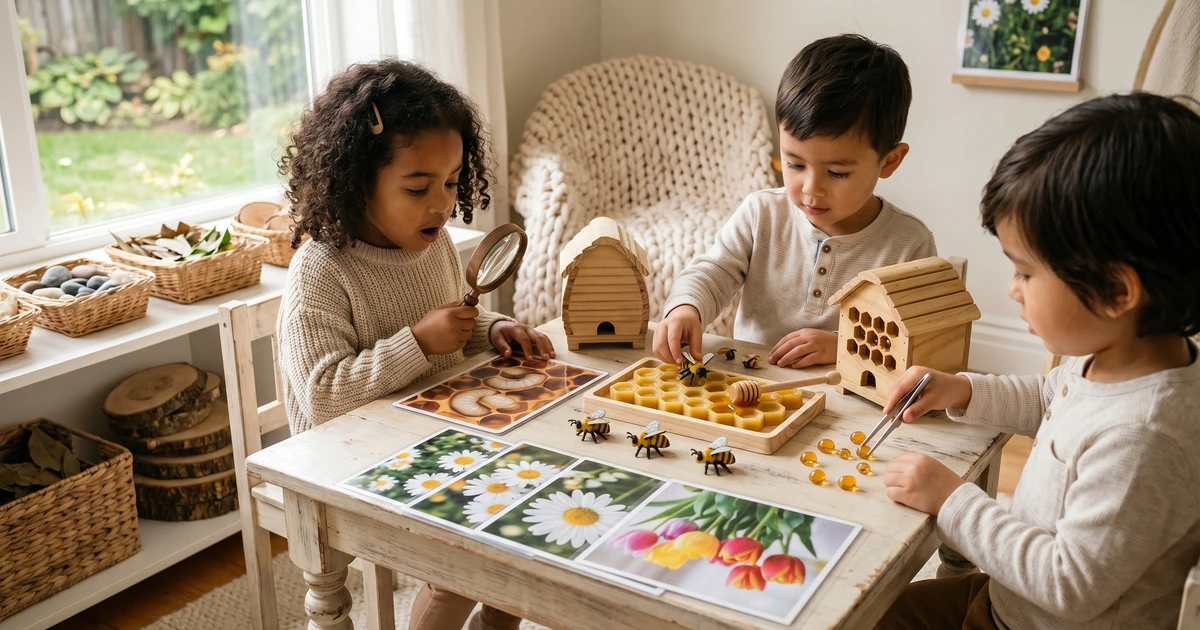
14 Screen-Free Preschool Printable Activities That Spark
Discover 14 captivating screen-free preschool printable activities that introduce nature and science. Perfect for quiet time, travel, and curious 3...
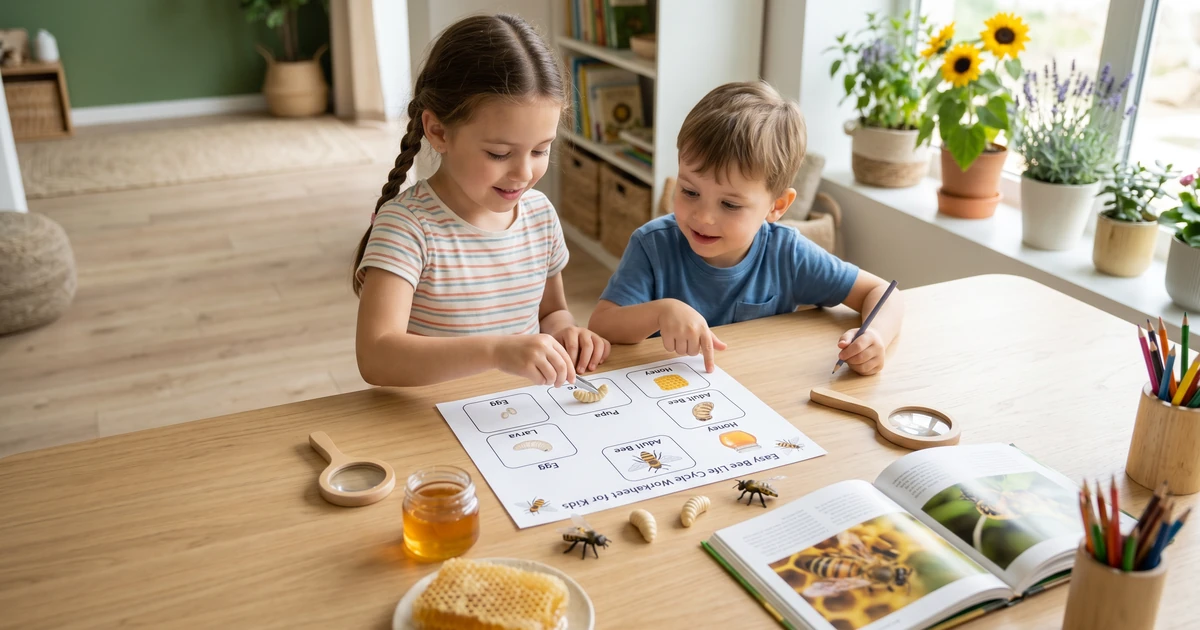
Easy Bee Life Cycle Worksheet for Kids From Egg to Honey
Teaching young children about nature is one of the most rewarding things you can do as a parent or educator. And the bee life cycle worksheet for kids
Build Your Own Pollinator Printable Pack for Kindergarten
Kindergartners are naturally drawn to bugs, flowers, and anything that buzzes or flutters past a window. A well-designed pollinator printable pack ...
35 Quiet-Time Screen Free Learning Activities for Preschoolers
Screen time for preschoolers is one of the most debated topics in early childhood education right now. Parents ask me constantly: "How do I keep my...