
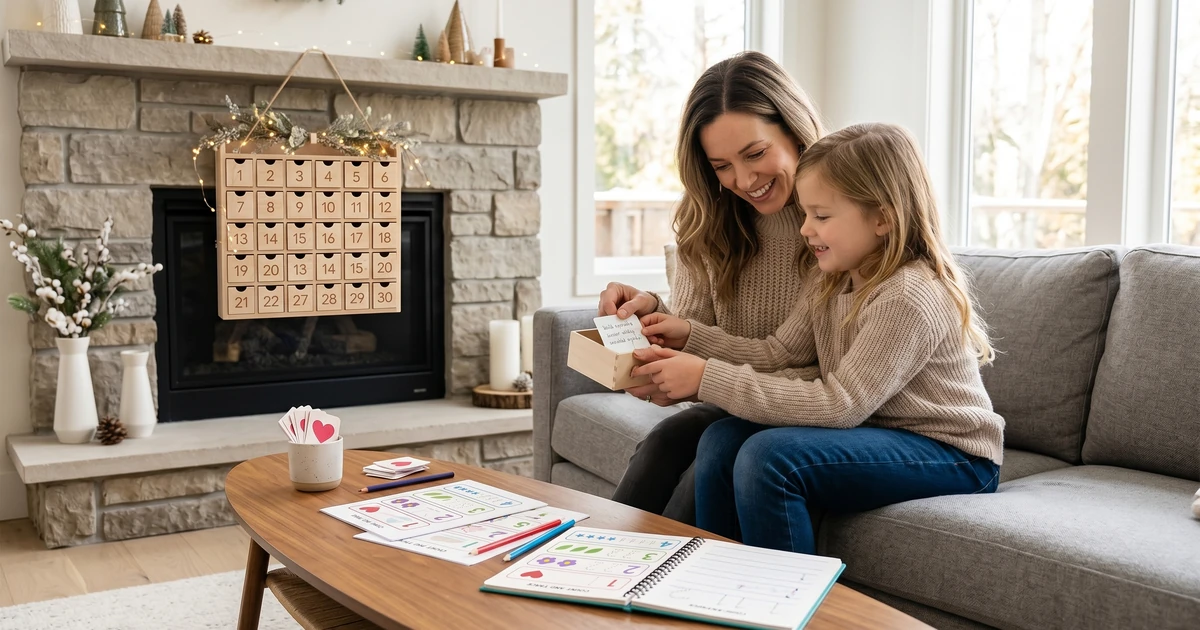
Family Tradition Keeper: Unique Holiday Advent Calendars
You open the first door. It's a tiny piece of waxy chocolate that tastes like it was made in 2019. Your kid shrugs. You shrug. And suddenly the whole "magi
You open the first door. It’s a tiny piece of waxy chocolate that tastes like it was made in 2019. Your kid shrugs. You shrug. And suddenly the whole “magical countdown to Christmas” thing deflates a little.
 DIGITAL PRODUCT
holiday advent calendars
Recommended products related to this guide.
Sound familiar? You’re not alone. Every year, millions of people buy advent calendars on autopilot, only to realize by December 5th that the contents are underwhelming, the format doesn’t fit their family, or they paid $40 for something that felt like a $10 afterthought.
After spending a significant amount of time digging through thousands of customer reviews, Reddit threads, and gift guides, I’ve figured out exactly what separates an advent calendar that kids (and adults) genuinely look forward to every single morning from one that ends up in the back of a drawer by week two.
This page covers the core ideas. For the full breakdown with specific picks and a complete planning timeline, head over to The Complete Holiday Planning Resource.
Key Takeaways:
- Most disappointing advent calendars share three specific problems you can avoid before buying
- There are five main calendar types, and the right one depends entirely on who’s receiving it
- DIY advent calendars cost as little as $15 to build and consistently outperform store-bought on “excitement factor”
- Beauty, food, and toy calendars have wildly different value-per-door ratios
- Buying before November 15th saves an average of 20-35% on popular styles
!A festive holiday advent calendar with numbered doors and holiday decorations
The Real Reason Most Holiday Advent Calendars Let People Down
A holiday advent calendar is traditionally a countdown tool used during the 24 days before Christmas, with each door or pocket revealing a small surprise. The modern version has expanded far beyond that original format, covering everything from luxury skincare sets to LEGO mini-builds to craft beer.
But here’s what the reviews consistently show: the #1 complaint isn’t the price. It’s the mismatch between expectation and contents.
People buy a calendar based on the box art or the brand name, and the actual contents feel random, cheap, or disconnected. A beauty advent calendar with $200 worth of products sounds incredible until you realize 18 of the 24 items are travel-sized hand lotions nobody asked for.
The fix is simple: before you buy, know the three things that actually determine whether an advent calendar delivers.
- Content coherence (does every item feel intentional, or like filler?)
- Recipient fit (is this calendar built for a 6-year-old, a 36-year-old, or somewhere in between?)
- Value density (what’s the actual retail value of the contents vs. the sticker price?)
I’ll break each of these down below.
The 5 Types of Holiday Advent Calendars (And Who Each One Actually Suits)
Not all advent calendars are built the same. Once you understand the category, the buying decision gets a lot easier.
| Type | Best For | Average Price | Value Rating |
|---|---|---|---|
| Chocolate / Candy | Kids ages 3-10, traditionalists | $8-$25 | Medium |
| Toy / Activity | Kids ages 4-12 | $20-$80 | High (if branded) |
| Beauty / Skincare | Adults, teens | $35-$200 | Varies wildly |
| Food & Drink | Foodies, adults, couples | $25-$150 | Medium-High |
| DIY / Fillable | Any age, customizers | $10-$30 (materials) | Very High |
Chocolate calendars are the classic entry point and still the safest bet for young kids who just want the ritual of opening a door. Brands like Cadbury and Lindt consistently get strong reviews for chocolate quality, but the “wow” factor fades fast for children over 10.
Toy and activity calendars (think LEGO, Playmobil, or art supply sets) tend to generate the most excitement because each item feels purposeful. LEGO advent calendars, in particular, have a cult following. Reviews reveal that kids and adults alike report looking forward to them every single morning.
Beauty advent calendars are the trickiest category. Owners consistently report that calendars from brands like Charlotte Tilbury or Space NK deliver genuine value, while department store “mystery” versions often pad their contents with items that retail for under $2.
Food and drink calendars (hot sauce, wine, tea, cheese) have become a serious adult gifting trend. They work particularly well as couples’ gifts or for households that want to share the experience together.
DIY fillable calendars are, honestly, where I’d point most parents first. The effort is low, the personalization is high, and the recipient always knows that someone thought specifically about them.
“The best advent calendar isn’t the most expensive one. It’s the one that feels like it was made with the recipient in mind.” - Gift industry researcher, quoted in Wirecutter’s holiday gift coverage
Bottom line: match the calendar type to the person, not the price tag.
How to Evaluate Value Before You Buy
This is the part most guides skip. Here’s a simple process I use when evaluating any advent calendar.
Step 1: Find the Full Contents List
Most reputable brands publish their contents list or have it revealed by reviewers on YouTube before purchase. Search “[Calendar Name] advent calendar full contents” and you’ll almost always find it. If a brand is hiding this, that’s a red flag.
Step 2: Add Up the Retail Value
Spend 10 minutes pricing each item individually on the brand’s website or Amazon. This one step will save you from overpaying. A $60 beauty advent calendar with $55 worth of contents isn’t a deal. A $60 calendar with $120 worth of contents is.
Step 3: Check the “Filler Ratio”
Count how many items in the calendar you’d actually want vs. how many are clearly padding. If more than 30% of the items feel like filler (duplicate minis, promotional samples, branded stickers), pass on it.
Step 4: Read the One and Two-Star Reviews
I specifically look for patterns in low-star reviews. One complaint is noise. The same complaint from 40 different people is a real problem.
Pro Tip: Search Amazon reviews filtered to “1-2 stars” and sort by “most recent” to catch any quality changes that may have happened in the current year’s run.
DIY Holiday Advent Calendars: The Low-Cost, High-Impact Alternative
If you’ve got even one crafty bone in your body, a DIY advent calendar is almost always worth it. Here’s a realistic cost breakdown.
| Item | Price Range | Notes |
|---|---|---|
| Fillable wooden calendar (24 drawers) | $15-$30 | Reusable every year |
| Kraft paper bags + clips | $8-$12 | Lightweight, easy to hang |
| Small gifts/treats to fill (total) | $20-$50 | Depends on recipient |
| Personalization (stamps, labels) | $5-$10 | Optional but adds charm |
| Total | $48-$102 | Vs. $60-$200 store-bought |
The reusability factor is huge. A $25 wooden drawer calendar that you refill every year costs you a fraction of buying a new calendar annually. Owners who go this route consistently report that it becomes a family tradition in its own right.
For kids, small Lego sets, hair clips, sticker books, mini playdough tubs, and novelty erasers all work beautifully as daily surprises. For adults, try artisan chocolates, lottery tickets, tea sachets, mini spirits, or handwritten notes.
According to the American Craft Council, handmade and personalized gifts are perceived as more thoughtful and emotionally valuable than equivalent store-purchased items, regardless of cost.
A DIY calendar takes 45-60 minutes to assemble and almost always lands better than a pre-packaged one.
When to Buy (Timing Makes a Real Difference)
Advent calendars sell out. Not in a marketing-hype kind of way. In a “the LEGO Star Wars one was genuinely gone from shelves by November 20th last year” kind of way.
The pricing window also matters. Based on retail patterns I’ve tracked across multiple holiday seasons:
-
September-October: Best selection, occasional early-bird pricing
-
Early November: Still good selection, some sales beginning
-
Mid-November: Popular styles start going out of stock
-
After November 20th: Limited options, higher prices on remaining stock
-
December 1st: Whatever’s left, usually at full price or marked up on resale
Pro Tip: If you have a specific calendar in mind, bookmark it in October and set a price alert. Most major retailers drop prices briefly in late October before stock gets tight.
The holiday season connects to a lot more than just advent calendars. If you want to build out a full holiday plan (decorating timelines, gift guides, movie nights, and more), the The Complete Holiday Planning Resource covers all of it in one place.
You might also enjoy browsing Best Christmas Holiday Movies to Watch This Season for ideas on making the whole December countdown feel more intentional.
A Quick Word on Advent Calendars for Adults
There’s still a weird stigma around adults being “into” advent calendars, but the market data says otherwise. The adult advent calendar segment has grown significantly year over year, and for good reason.
The daily ritual of opening a small surprise is genuinely good for mood, especially during a season that can feel overwhelming. It gives you something small to look forward to each morning before the big day arrives.
The best adult options I’ve come across include:
-
Whisky/spirits calendars (Flaviar, Master of Malt, and Drinks by the Dram all get strong reviews)
-
Hot sauce collections (Heatonist’s advent sets are perennial fan favorites)
-
Skincare sets from brands like ELEMIS, Kiehl’s, or The Body Shop
-
Book-based calendars (one new read recommended per day, paired with a small gift)
-
Puzzle or hobby-themed calendars for crafters, gamers, or collectors
Adults consistently report that the calendar becomes less about the gifts and more about the pause. That 30-second moment each morning where you open a door is, oddly, one of the most grounding parts of a chaotic December.
FAQ: Holiday Advent Calendars
How early should I start looking for a holiday advent calendar?
Start browsing in September and aim to purchase by early November. Popular branded calendars (especially LEGO, luxury beauty, and niche food sets) routinely sell out by mid-November. Waiting until December 1st is technically too late for a countdown calendar and you’ll have almost no good options left.
Are advent calendars only for Christmas?
Traditionally, yes. But the format has expanded significantly. You’ll now find advent-style countdown calendars for Hanukkah, New Year’s Eve, and even non-religious winter celebrations. The 24-door countdown structure is the constant; the theme is flexible. For a broader look at how different holidays work and overlap, check out What Holiday Is Today? Find Today’s Celebrations.
What’s a realistic budget for a good advent calendar?
For children: $20-$50 covers most quality options. For adults: $40-$100 gets you into genuinely good territory, though some luxury beauty calendars run $150-$300 (and can be worth it if the value math checks out). DIY options can run as low as $40-$60 total and typically feel more personal than anything in that price range from a store.
Can you reuse advent calendars?
Cardboard chocolate calendars are single-use. But wooden drawer sets, fabric pocket calendars, and mini mailbox styles are all designed to be refilled yearly. Investing $25-$40 in a reusable structure is almost always the smarter long-term move if you plan to do this more than one year.
What do you put in an advent calendar for a teenager?
Teens consistently respond well to: gift cards in small denominations, skincare samples, phone accessories, stickers, snack items, mini nail polishes, bookmarks, or small amounts of cash. The key is specificity. A calendar filled with things that reflect their actual interests will always land better than a generic pre-filled option.
Ready to Go Deeper?
This page covers the core framework for choosing, evaluating, and building advent calendars that actually work. For a complete breakdown with specific product recommendations, a full planning timeline, and printable gift trackers, head to the full guide:
The Complete Holiday Planning Resource →
And if you’re curious about the broader world of holiday traditions and how different celebrations work throughout the year, Is Valentine’s Day a Holiday? History and Status Explained is a surprisingly interesting read on how we define and observe holidays in the first place.
Recommended Resources & Workbooks
Pair this guide with our hands-on, ready-to-print learning resources.
 Digital Bundle
Learn to Read Program: Levels 1-3
170 sequenced phonics lessons across 199 pages, from first letter sounds to fluent long-vowel reading.
 Digital Learning Bundle
Preschool Learning Bundle
260+ printable worksheets for tracing, ABCs, numbers, shapes, sight words, and kindergarten prep.
 Digital Learning Bundle
Play-Based Learning Bundle for Ages 3-6
230+ play-based learning activities with pretend play, reading, early math, creative arts, and bonus flashcards.
Related Guides & Articles
Explore more of our detailed guides and activities.
The Complete Holiday Planning Resource
Holidays shape the rhythm of our lives. They give us reasons to gather, celebrate, remember, and rest. Whether it's a federal observance, a religio...

Best Christmas Holiday Movies to Watch This Season
Christmas holiday movies are one of the most beloved traditions of the season, right up there with decorated trees and hot cocoa. Every December, f...

Is Valentine's Day a Holiday? History and Status Explained
Valentine's Day falls on February 14th every year, and the question of whether Valentine's Day is a holiday comes up more than you'd think. People ask
What Holiday Is Today? Find Today's Celebrations
Every so often, I'll glance at my calendar and think, "Wait, is today a holiday?" Sometimes it's a federal bank holiday I forgot about. Sometimes i...