
Animals Flashcards for Kids That Go Beyond Naming
By KubbyLab Team · Updated
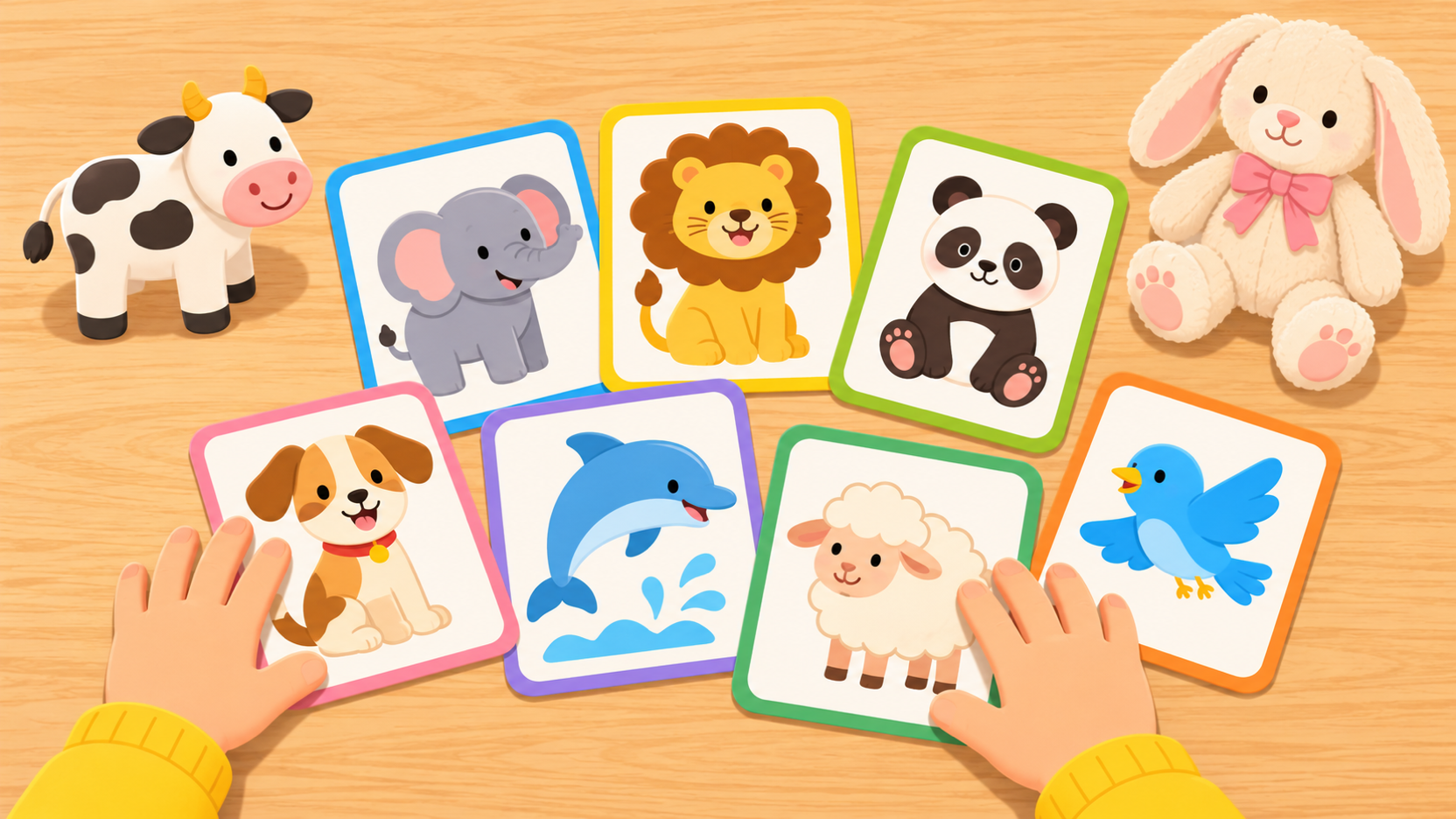
Use animals flashcards to help a preschooler or kindergartner connect an animal’s name with its picture. Start with a few familiar animals, name each one aloud, and invite your child to point, match, or move like the animal. Then bring out a toy or picture book so your child can look for the same animal somewhere else.
Key Takeaways
- Start with animals your child can name or find in a familiar book.
- Choose farm cards for sound play and wild animal cards for picture clues or sorting.
- Print a spare copy for identical matches, then try matching a card to a different picture of the same animal.
- Keep the cards beside books, toys, or drawing materials so the words come up during play.
What are animals flashcards for preschool and kindergarten?
Animal picture cards show individual animals and may include their printed names. For preschool and kindergarten, choose pictures your child can tell apart and use them to practice one task at a time, such as finding an animal you name, describing what it is doing, or pairing the card with a toy.
Decide what a response should tell you before you show the cards. If you say “Find the pig” and your child points to it, you’ve seen them connect a spoken word to a picture. If they say “pig” when you show the card, you’ve heard them supply the name. If they look at the letters and work out the word, that’s decoding, or using letter-sound relationships to read a written word. Those are different tasks, even with the same card.
I like a simple check when choosing pictures. Cover the printed word and look at the animal from where your child will sit. A duck that fills most of the card leaves room to notice its bill and feet. A duck at the far edge of a pond photo gives you more to talk about once the child knows what to look for. Both pictures have a use.
Keep the cards within reach of real play. A child who picks up the duck card during a story can set it beside a duck on the page, then tell you what the duck is doing. For more ways to bring the same deck into play, see Animals Flashcards Activities for Kids.
Which animal flashcards should you start with: farm animals or wild animals?
Start with farm animal flashcards if your child recognizes animals such as cows, pigs, and ducks from books, toys, or songs. Choose wild animal flashcards when your child wants to talk about animals such as elephants and zebras, or when you want pictures with clear features to compare.
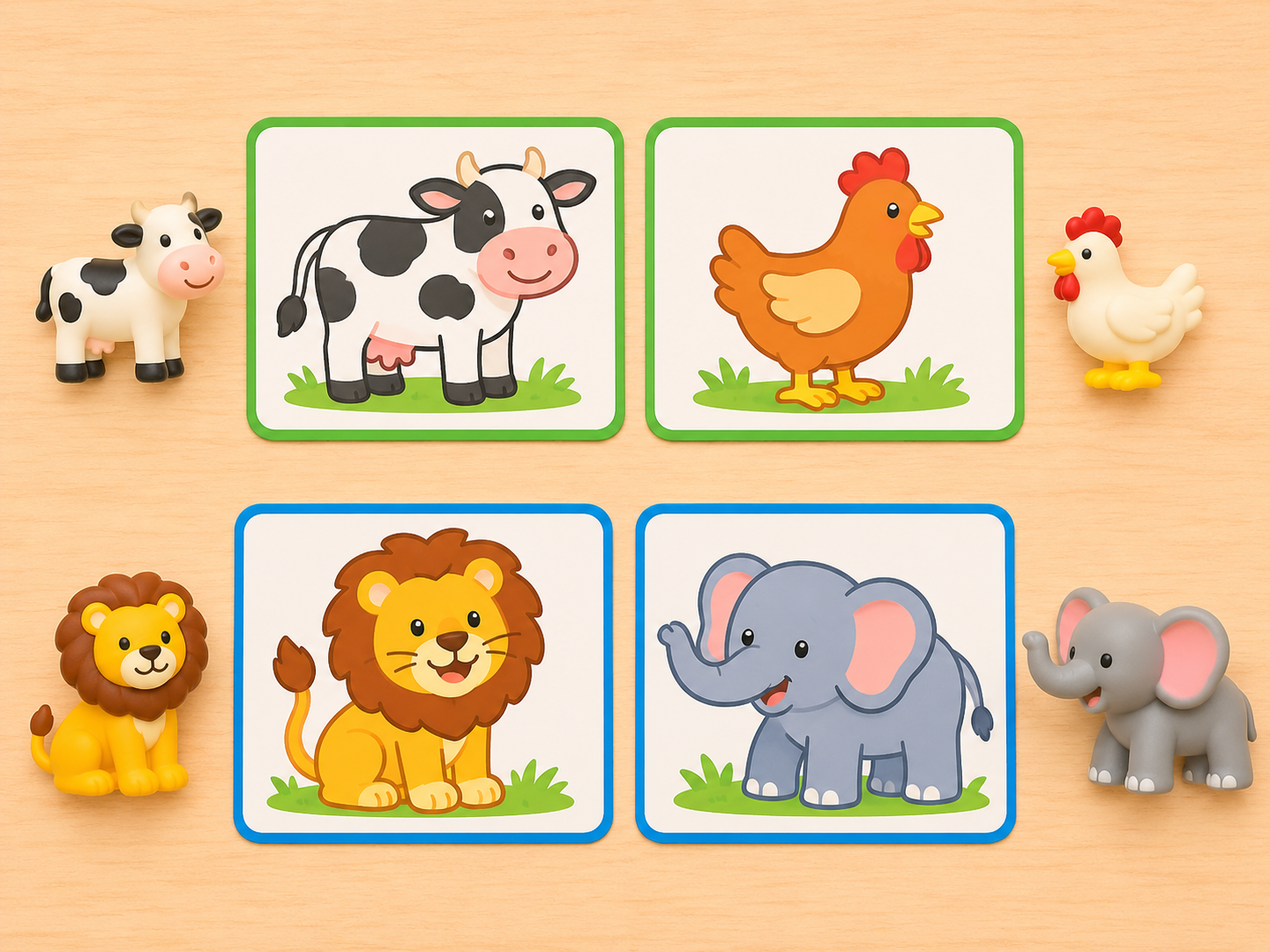
| Card option | Use it for | What to check before choosing |
|---|---|---|
| Farm animal cards | Name a cow, pig, or duck and take turns making its sound | Look for a clear picture of each animal you plan to use |
| Wild animal cards | Find the zebra from a clue about its stripes or the elephant from a clue about its trunk | Make sure the feature in your clue is visible |
| Song companion cards | Hold up an animal when its verse begins | Check that the set includes the animals named in the song |
| Mixed decks | Compare pictures across themes or pull out a small group for play | Check that you can select individual cards or pages |
A farm set is handy if you’re already singing about a cow or duck. If a set is described as complete for a particular song, look at the verses you actually sing and check the pictures against them. Put those cards in verse order. Once your child knows the song, hand them the cards and let them choose which animal comes next.
For a mixed or wild set, sort by something you can see before asking where the animals live. A feather sort gives your child a feature to point to. A habitat sort, which groups animals by the environments where they live, may need a book or a second picture for context. A duck can appear in a farm scene and in a pond scene, so give your child room to explain where they placed it.
How do you choose and print free animal flashcards?
Choose a free printable deck with recognizable pictures and a layout that fits your paper. Preview the page before printing, check whether you can edit the card labels if you need to, and print a single sheet first so you can judge the images and cut lines on paper.
- Choose your animals. Start with a group you can use together, such as a cow, a pig, and a duck for a farm song. If a bundle contains several themes, select the pages you need for that activity.
- Check the file. A fixed PDF gives you a page to print as laid out. An editable template gives you a way to change the labels if the text is editable. If you’re making cards for a child who hears animal names in two languages, consider one label per copy so you can choose which version to use.
- Preview and print one sheet. Match the paper setting to the paper in the printer. If the preview crops a card or cut line, switch to the file’s intended paper size or try the printer’s fit setting, then check the resulting card size.
- Cut out the cards you need. Use the first sheet before deciding whether to print duplicates. Save the extra pages for a later activity.
For a homemade deck, draw one animal on each piece of paper and write its name below. Use the same layout across cards if you plan to play a face-down memory game. If you’re using a downloaded template in a classroom, check its terms before copying a set for each child. For a shared group activity, hold up your print sample from the spot where you’ll sit and check whether the picture is clear from the farthest seat.
How do you teach animal names with flashcards?
Teach animal vocabulary, the words children use to talk about animals, by showing a picture, saying its name, and giving the child a way to respond. Start with pointing or matching, then build the turn into a sound, movement, or description so the animal name comes up again during play.
- Say the name. Hold up the duck and say, “Duck.” Point to its bill or webbed feet if the picture shows them. Then put the duck beside another familiar animal and invite your child to find it.
- Act it out. Say, “The duck waddles,” and take a few waddling steps. Let your child choose an animal for you to copy on the next turn. If they point to the card without speaking, you can say the name as you act it out.
- Add a clue. Put the duck, pig, and cow on the table and say, “Find the animal with a bill.” If your child looks unsure, show where the bill is and say the name again. Give them a chance to make up a clue for you.
- Take the word into a book. Find a page with a duck in motion. Ask what the duck is doing if the action is visible. If your child says “swim,” try replying, “Yes, the duck is swimming.”
The CDC recommends asking children what is happening in a picture during shared reading and inviting more detail after they answer. A book picture with a duck swimming gives you an opening for that exchange. CDC guidance for families of 3-year-olds.
For another way to model the first turn, see How to teach animals flashcards to kids at home.
How can you tell whether a child knows the animal or remembers the card?
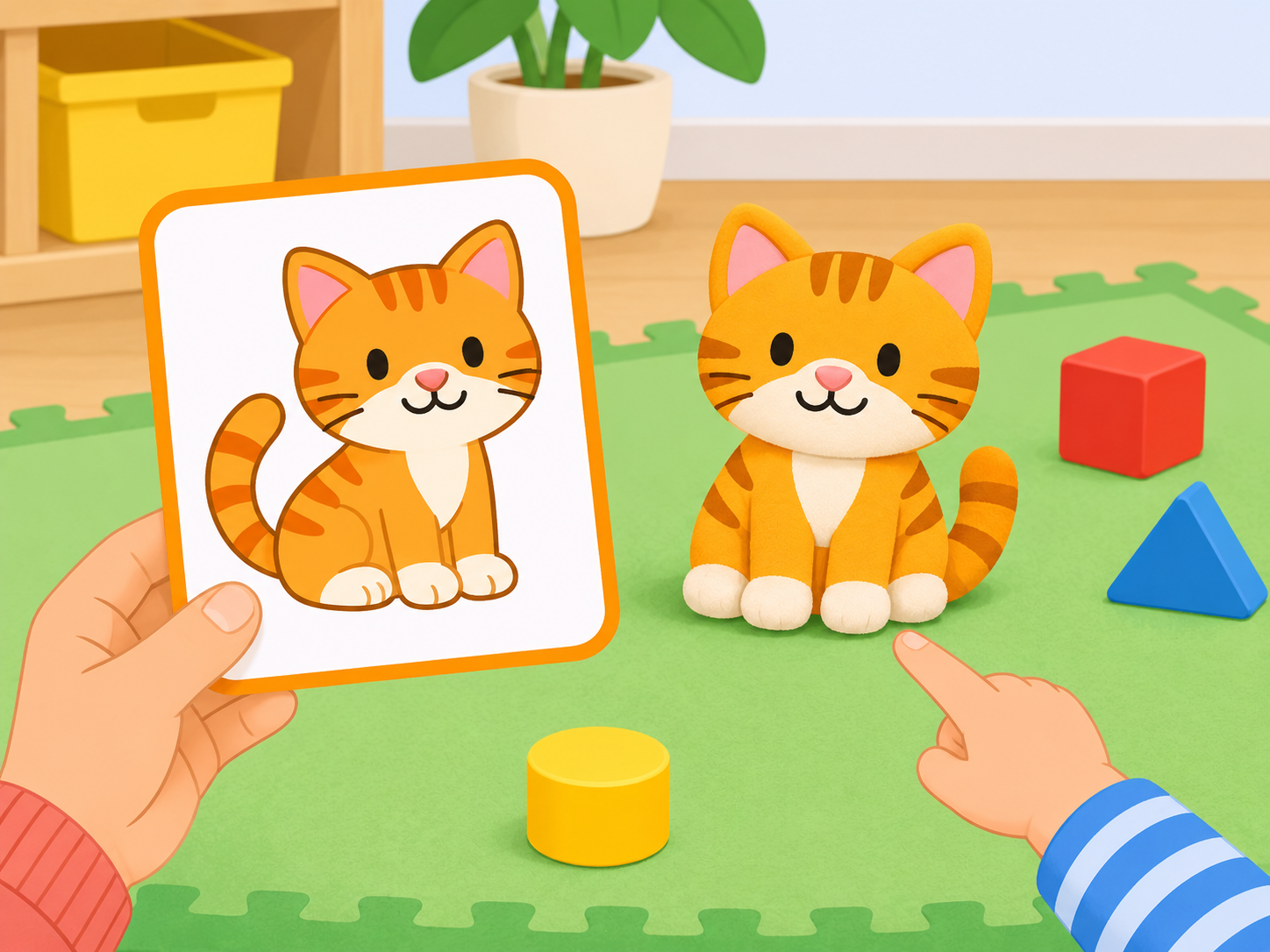
Try a same animal, different picture match to see whether your child recognizes the animal when the illustration changes. Start with identical cards, then offer a different photo, drawing, or toy of the same animal beside a one-animal alternative so your child has a clear choice to make.
Imagine the table has a yellow duck illustration and a pig card. You name the duck and invite your child to point to it. You then pull out a picture book and show a page with a brown duck and a pig. Your child can place the yellow duck card beside the brown duck, and you can point to features the two ducks share.
Change one detail at a time. If you switch the picture, keep the prompt the same: “Find the duck.” Save a prompt like “Which animal has a bill?” for a separate turn. That prompt also asks the child to understand the word bill, so it gives you different information. If the pictures are hard to compare, choose one where the animal faces the same way as it does on the card.
If your child pairs the two yellow ducks but hesitates at the brown duck, name it together and look at the pictures side by side. A darker color, a different pose, or a smaller picture may change what your child notices. Leave the cards by the book and try the match during another reading. For a turn with a sibling or classmate, let one child choose a card and have the other find the animal in the book, then swap roles.
How do you adapt animal picture cards for preschool and kindergarten?
Adapt animal picture card activities by changing what the child does with a familiar picture. For a preschooler, invite pointing, naming, or pretend play. For a kindergartner who is ready to work with print, use a familiar animal name to practice hearing its first sound or to make a label for a drawing.
In preschool, you could put a cow card and a toy cow by a block barn. Your child can park the toy beside its picture or tell you where the cow is going. If the child holds up the card instead of answering, take that as their turn and add words to the play. “The cow is going inside” gives them a sentence tied to what they can see.
In kindergarten, say pig and listen together for the first sound, /p/. Then show the printed word and point to the letter p. If you’re asking the child to read the word, cover the picture and choose names that use the letter sounds they’ve been taught. A picture is a useful clue during a vocabulary game. During a reading turn, give the child a chance to work with the letters first.
Writing can grow out of the game, too. In their NAEYC article, teacher educators Christina Mirtes and Jessica Grimone-Hopkins explain that writing “can be playfully integrated in a variety of ways.” After a child draws a pig for the block barn, you can write pig as they watch, invite them to write the first letter, or let them dictate a sign for the pen. NAEYC guidance on playful preschool literacy.
Use the cards alongside conversation, books, and hands-on play. A deck gives you pictures to come back to. The words have somewhere to go when the child uses them to tell you about a picture, move a toy, or label something they made.
Shop the topic
-
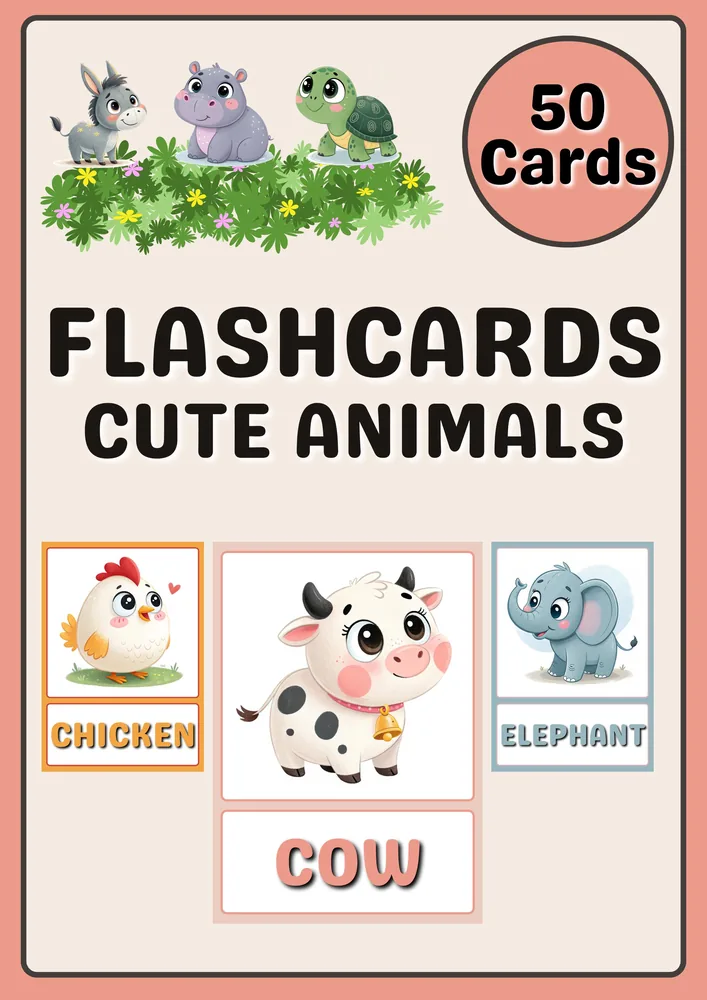
Animals Flashcards for Kids: 50 Cards
50 printable animal flashcards with cute illustrations: builds vocabulary, memory, and visual recognition.
$7
Get this product View details -
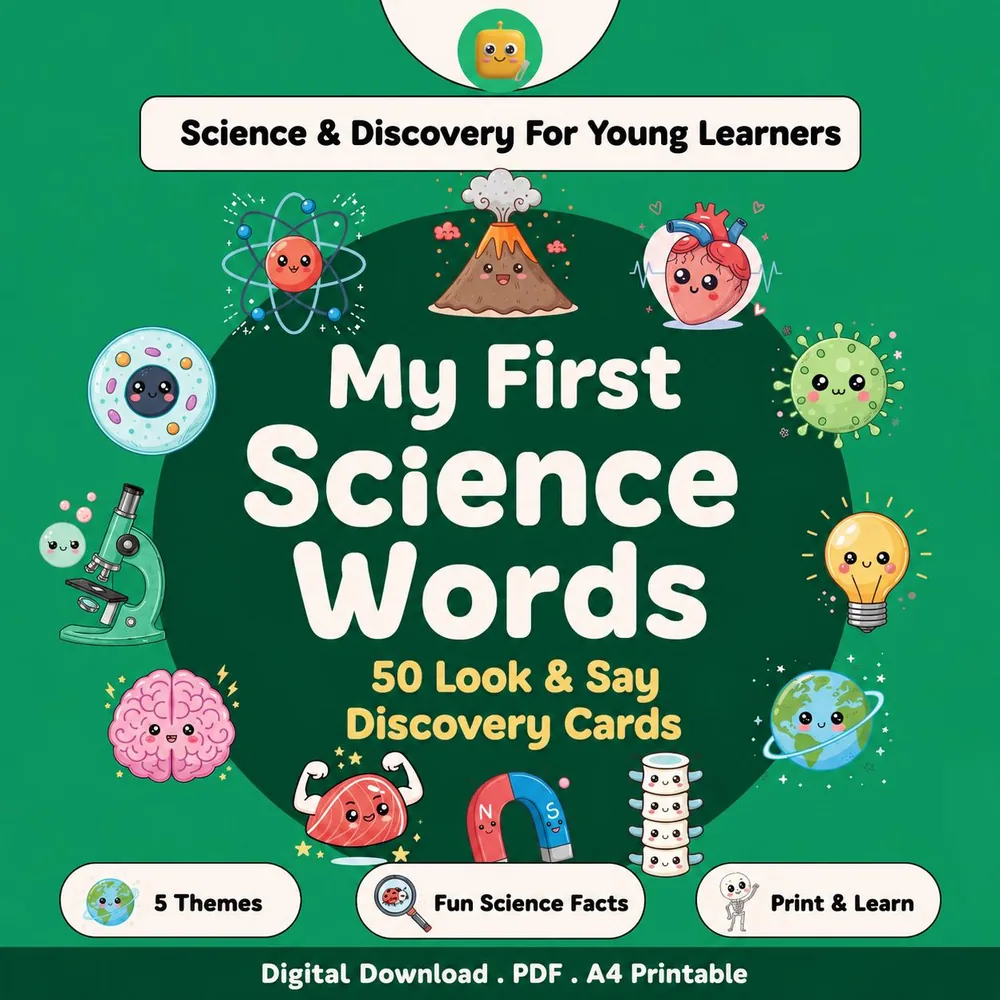
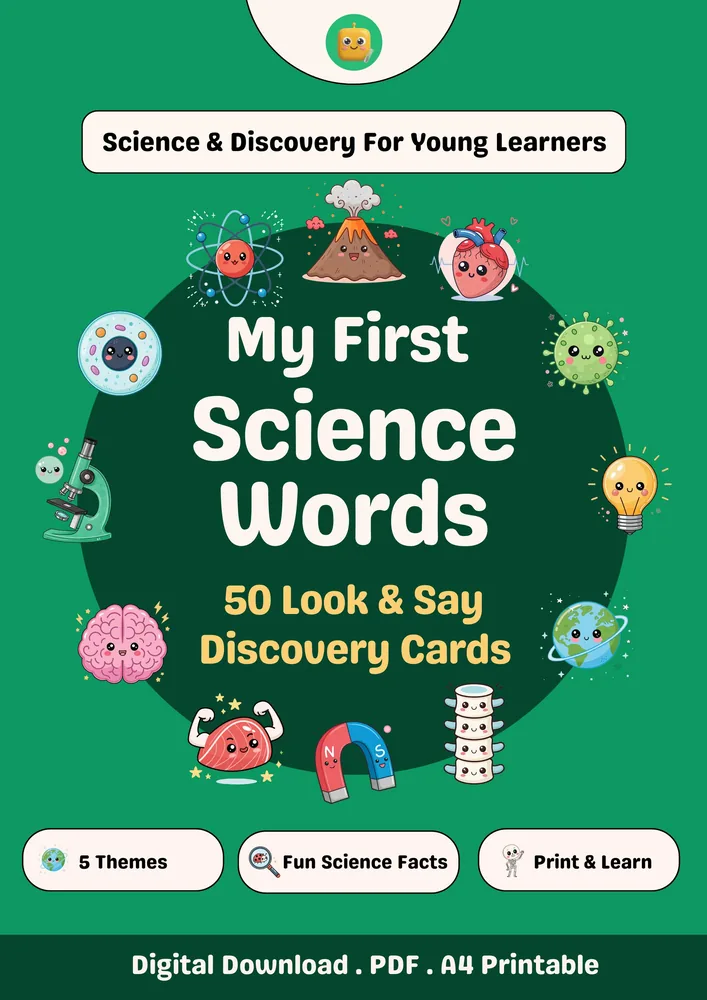
My First Science Words Flashcards
50 Look & Say science vocabulary cards across 5 themes: visual, simple, and ready to print.
$7
Get this product View details -
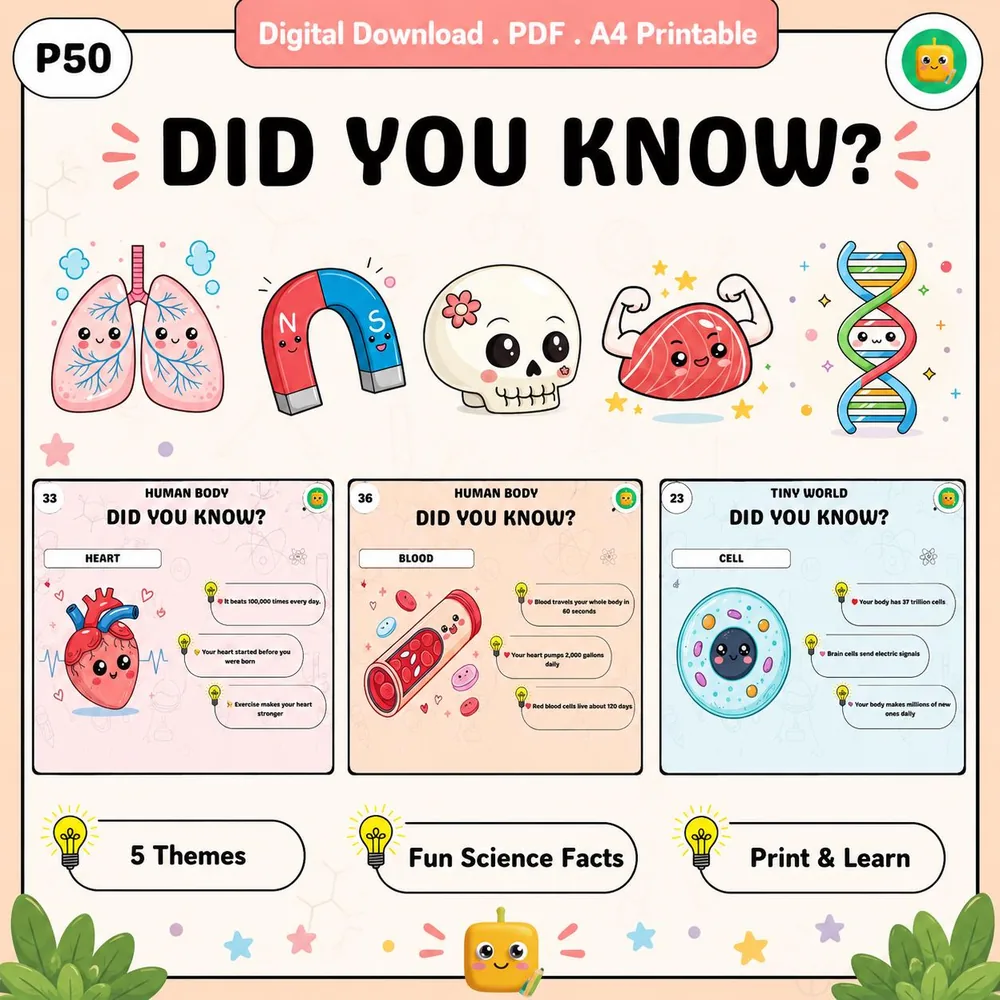
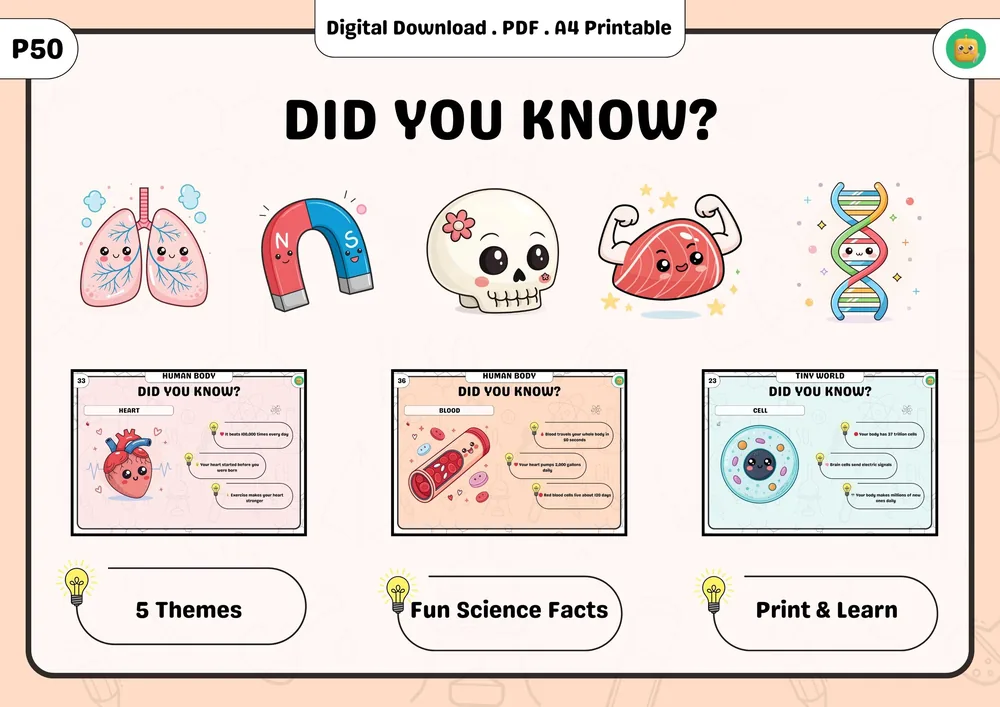
Preschool Science Facts: Did You Know?
50 'Did You Know?' science pages: one concept per page, visual learning, zero prep.
$7
Get this product View details
Frequently asked questions
How many animal flashcards should I use with a preschooler?
Start with two familiar cards for a pointing game, such as a cow and a duck. Add another animal once your child is comfortable choosing between the first pair. If they want to spend the whole turn making duck sounds or finding ducks in a book, follow that interest.
Are animal flashcards with pictures and words better than picture-only cards?
Choose picture-only cards for pointing and naming, or labeled cards when you want the printed word to be part of the activity. You can use a labeled deck for both tasks by covering the word during picture play and uncovering it when you talk about the letters.
Can I play an animal matching game with only one set of cards?
Yes. Use a toy or an animal picture in a book as the match for each card. Put a toy cow and a toy pig on the table, then invite your child to place the cow card beside the cow. Print duplicates if you want to play a face-down game with identical pairs.
What if my child makes the animal sound instead of saying its name?
Treat the animal sound as a turn in the game and say the name back in a short sentence. If your child says "moo," you can reply, "That's the cow. The cow says moo." Keep the picture in view so the child can connect the sound and name with the animal.